For most travelers heading to Antarctica, the journey includes crossing the Drake Passage, the body of water between South America and the Antarctic Peninsula.
It is often the most talked about part of the trip, not because it defines the experience, but because it is unfamiliar.
For most of our clients, the Drake Passage becomes a short transition, not the defining part of the journey.
The reality is that the crossing is a standard, managed component of Antarctica expeditions, shaped by ship design, weather systems, and preparation.
What lies beyond it is what defines the experience.
The Drake Passage is the stretch of ocean between the southern tip of South America and Antarctica, connecting the Atlantic and Pacific Oceans.
It is the primary route used by expedition ships traveling to the Antarctic Peninsula. Most voyages cross the Drake Passage twice, once heading south and once returning north.
Expedition InsightModern expedition ships are designed to handle the unpredictable conditions of the Drake Passage crossing
Conditions in the Drake Passage vary based on weather systems, wind patterns, and time of year. Both occur.
Conditions: CalmWhen conditions are calm, known as the "Drake Lake," the crossing can feel surprisingly smooth and peaceful.
Most crossings fall somewhere in between. Modern expedition ships are designed to manage these conditions, and the experience is influenced as much by ship design and preparation as it is by weather.
Conditions: ActiveThe "Drake Shake" brings powerful swells that make this crossing one of the most talked about parts of an Antarctica expedition.
Understanding this variability is key to setting expectations correctly.
While ocean movement cannot be eliminated, it can be managed. Key factors in modern maritime engineering allow for a controlled and professional crossing.
Stabilization Systems
Hull Design for Polar Conditions
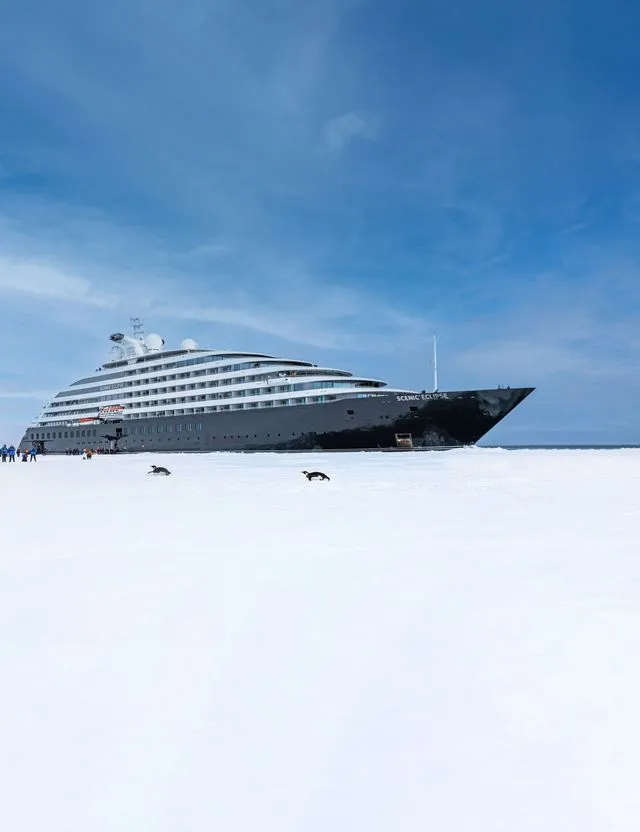
Maritime EngineeringShips designed for Antarctica, including vessels operated by Scenic Luxury Cruises & Tours, are engineered for stability and performance in open water.
Experienced crews monitoring real-time weather
Itineraries are adjusted dynamically based on weather systems to ensure the smoothest possible crossing.
Experience the Drake Passage Crossing
Watch how modern expedition ships navigate the Drake Passage with advanced stabilization systems and expert crews, ensuring a comfortable and controlled journey to Antarctica.
Expedition in Action
Modern expedition vessels are engineered to handle the Drake Passage crossing safely and comfortably, providing guests with a smooth transition to Antarctica.
Verified Safety Standards
The Drake Passage is widely discussed, but often misunderstood.
Within the context of modern expedition travel, it is not considered dangerous. Crossings are conducted by experienced crews using ships built specifically for these environments.
Weather systems are monitored continuously, and itineraries are adjusted when necessary.
For travelers, the Drake Passage is a controlled and expected part of the journey rather than a risk factor.
The experience varies by traveler and conditions. For most, the journey across these waters is a bridge between the world they know and the wilderness of Antarctica.
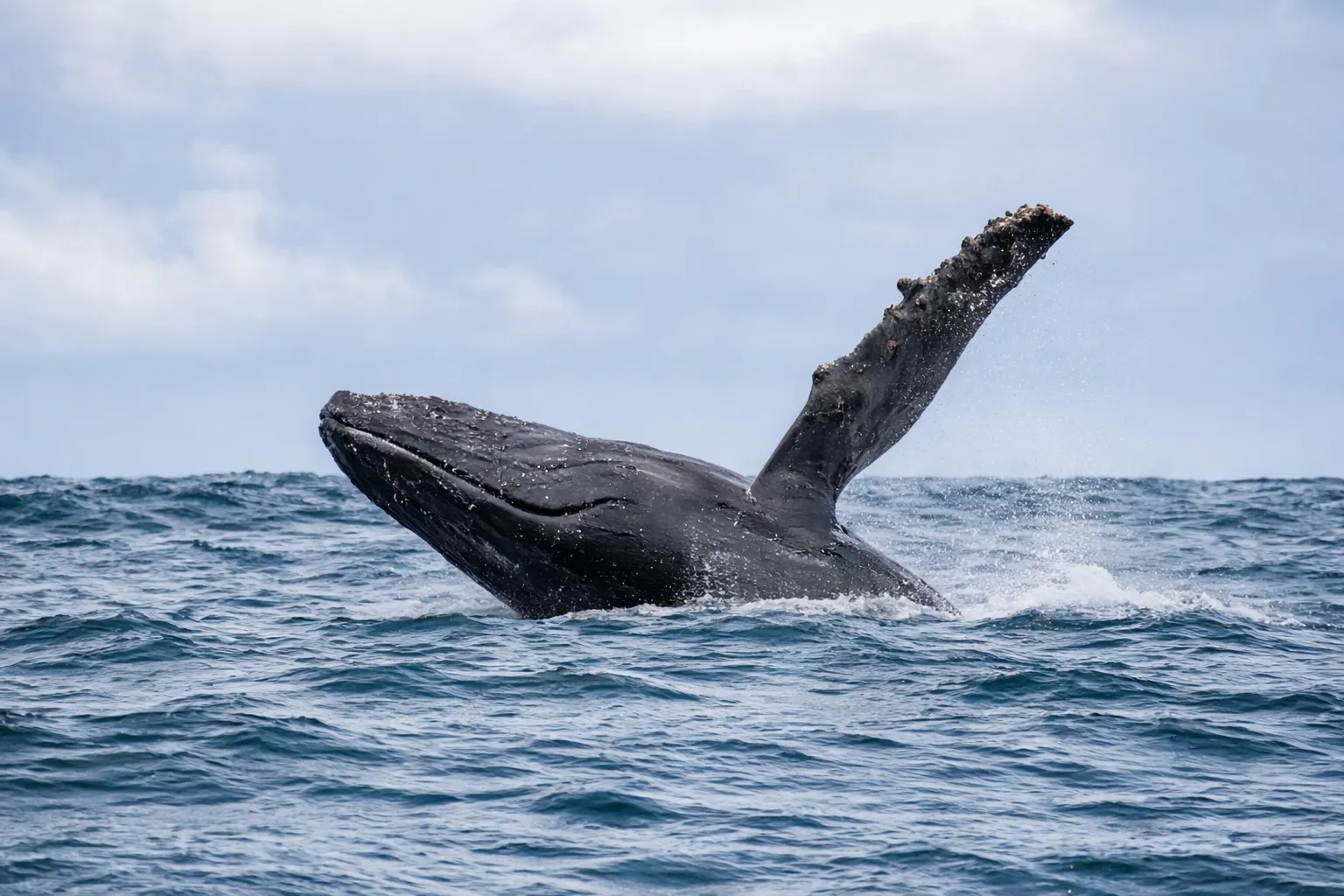
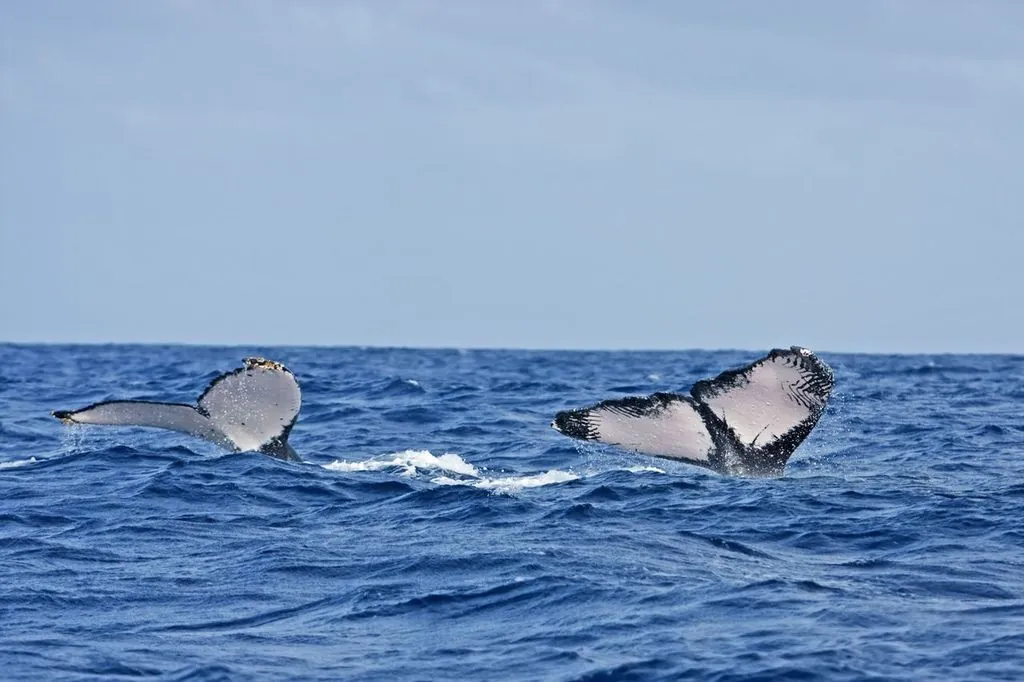
Guest PerspectiveOn calmer days, guests can fully enjoy time on deck while crossing the Drake Passage, watching for wildlife and icebergs.
Some guests experience light movement similar to ocean cruising. Others may feel more pronounced motion during active crossings.
Preparation, ship selection, and mindset significantly influence how the crossing is experienced. Modern technology ensures the transition is managed professionally.
Option 01The standard crossing offers a gradual transition into the Antarctic wilderness.Expedition Standard
Cross the Drake Passage
Full expedition experience
Gradual transition into Antarctica
More time onboard the expedition vessel
Option 02Fly-cruise itineraries bypass the water crossing for faster arrival.Time Optimized
Fly-Cruise Option
Avoids the ocean crossing
Reduces transit time
Appeals to highly motion-sensitive travelers
Who the Drake Passage Is Right For
Best suited for travelers who:
Are comfortable with ocean travel
Want the full Antarctica expedition experience
Value the journey as part of the destination
May prefer alternatives if:
Highly sensitive to motion
Limited mobility or balance concerns
Prefer minimal transit time
Step 01
Selecting a ship designed for polar stability
Step 02
Bringing motion management options if needed
Step 03
Packing layered clothing for comfort
Step 04
Understanding that conditions vary
Expert Insight from Angela Hughes
"
In working with Antarctica clients, the concern around the Drake Passage is almost always greater before the trip than after.
Once travelers understand how the crossing is structured and select the right ship, it becomes a manageable and expected part of the journey.
The difference is not in avoiding the Drake Passage. It is in planning it correctly.
01
Consultation to define comfort level and expectations
02
Selection of the right expedition ship and itinerary
03
Full preparation for the Antarctica journey
Understanding the Drake Passage is part of planning Antarctica correctly.
Angela Hughes has over four decades of experience and has traveled to 121 countries and territories, working with clients on complex global itineraries.
Clients benefit from:
Strategic ship selection
Preparation guidance tailored to comfort level
Access to preferred expedition inventory
Ongoing support throughout the journey
Frequently Asked Questions
Everything you need to know about the Drake Passage crossing experience.
What is the Drake Passage and where is it located?
How rough is the Drake Passage crossing?
Is the Drake Passage dangerous for cruise passengers?
How long does it take to cross the Drake Passage?
What does Drake Lake vs Drake Shake mean?
Do all Antarctica cruises cross the Drake Passage?
Can you avoid seasickness in the Drake Passage?
Is Scenic Eclipse stable in the Drake Passage?
What should I pack for the Drake Passage crossing?
Is the Drake Passage worth experiencing?
What is the best ship for the Drake Passage crossing?
Should I be worried about the Drake Passage?
Plan Your Antarctica Expedition
The Drake Passage is not something to avoid. It is something to approach correctly.