Most people chase cherry blossoms. The smartest travelers chase timing.
Most people think the best time to visit Japan is cherry blossom season. They are not wrong. But they are also not entirely right.
Japan is one of the few destinations where timing impacts everything. Hotel availability, train logistics, guide access, and cultural experiences all shift depending on when you go.

The best time to visit Japan depends on your priorities:

Late March to early April for cherry blossoms

October to November for fall foliage

May and October for the best overall experience
| Feature | Spring | Summer | Fall | Winter |
|---|---|---|---|---|
| Months | March to May | June to August | Sept to November | December to February |
| Pros | Cherry blossoms, mild weather | Festivals, food, energy | Foliage, ideal weather | Snow, fewer tourists |
| Cons | Crowds, high prices | Heat, humidity | Moderate crowds | Cold |
| Best For | First-time visitors | Culture and food lovers | Luxury travelers | Ski and onsen |
March to April or October to November
Year-round, but summer in Osaka is exceptional
May and October for balance and availability
Late March, April, or November
June (early) or late August
January, February, early June
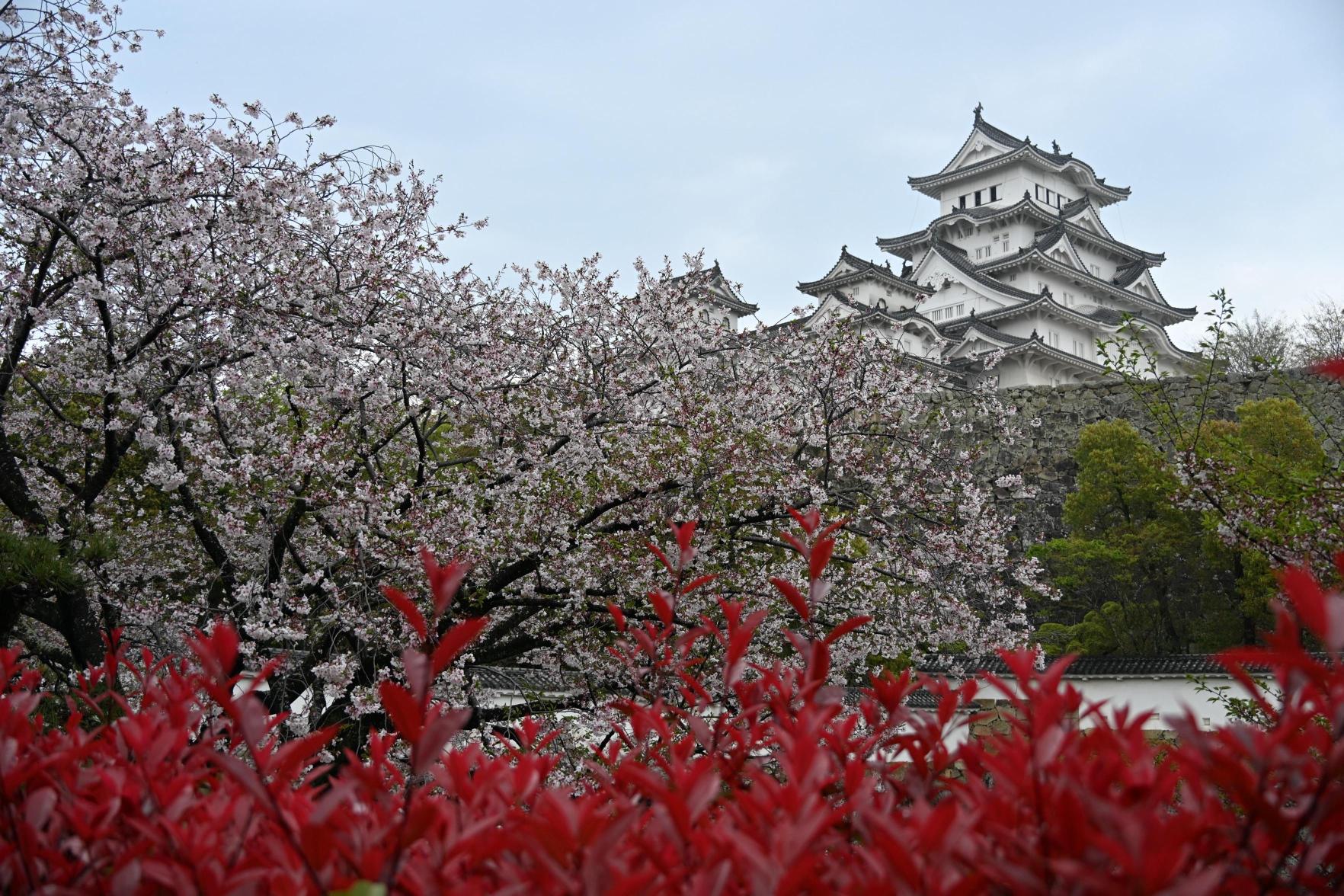
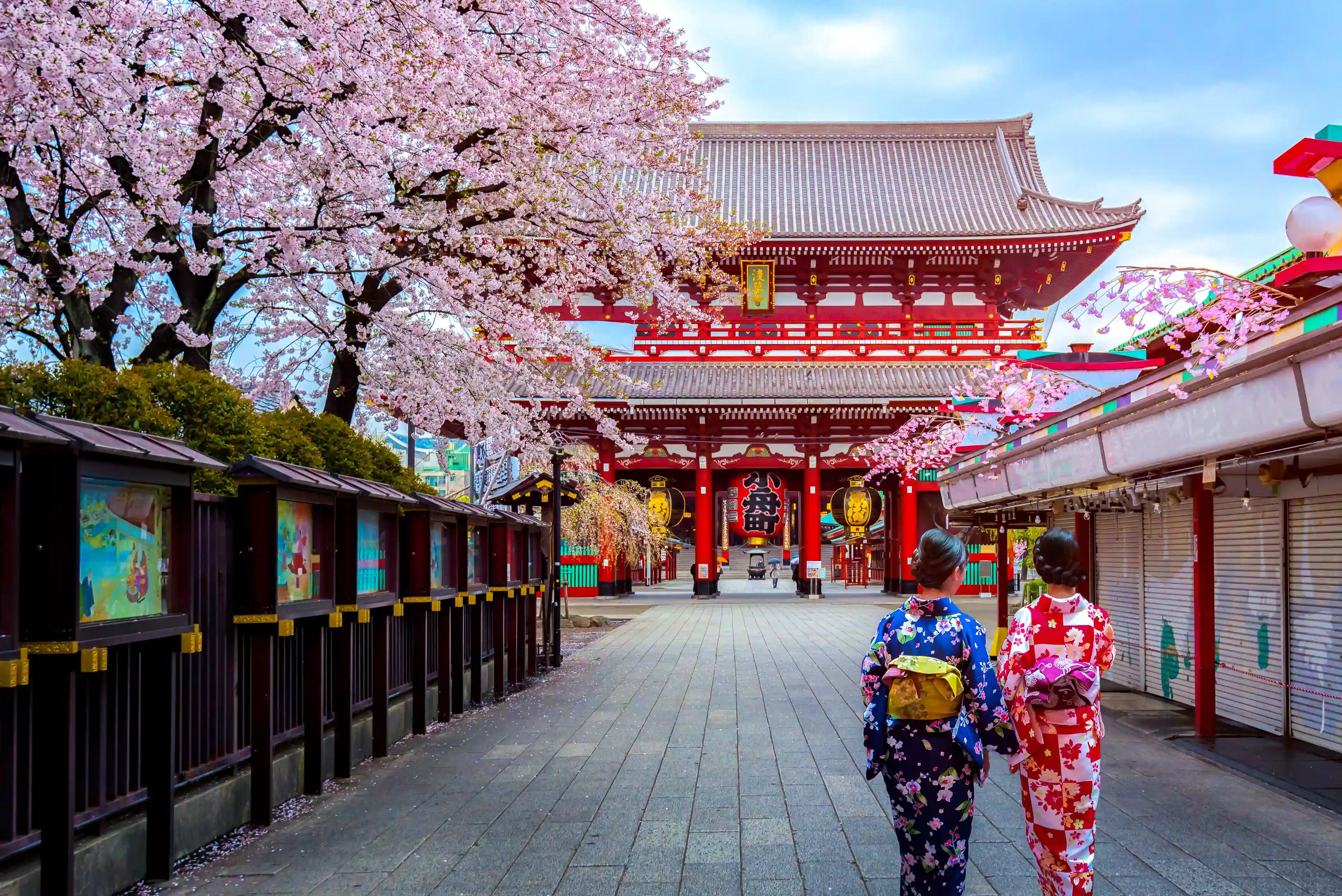
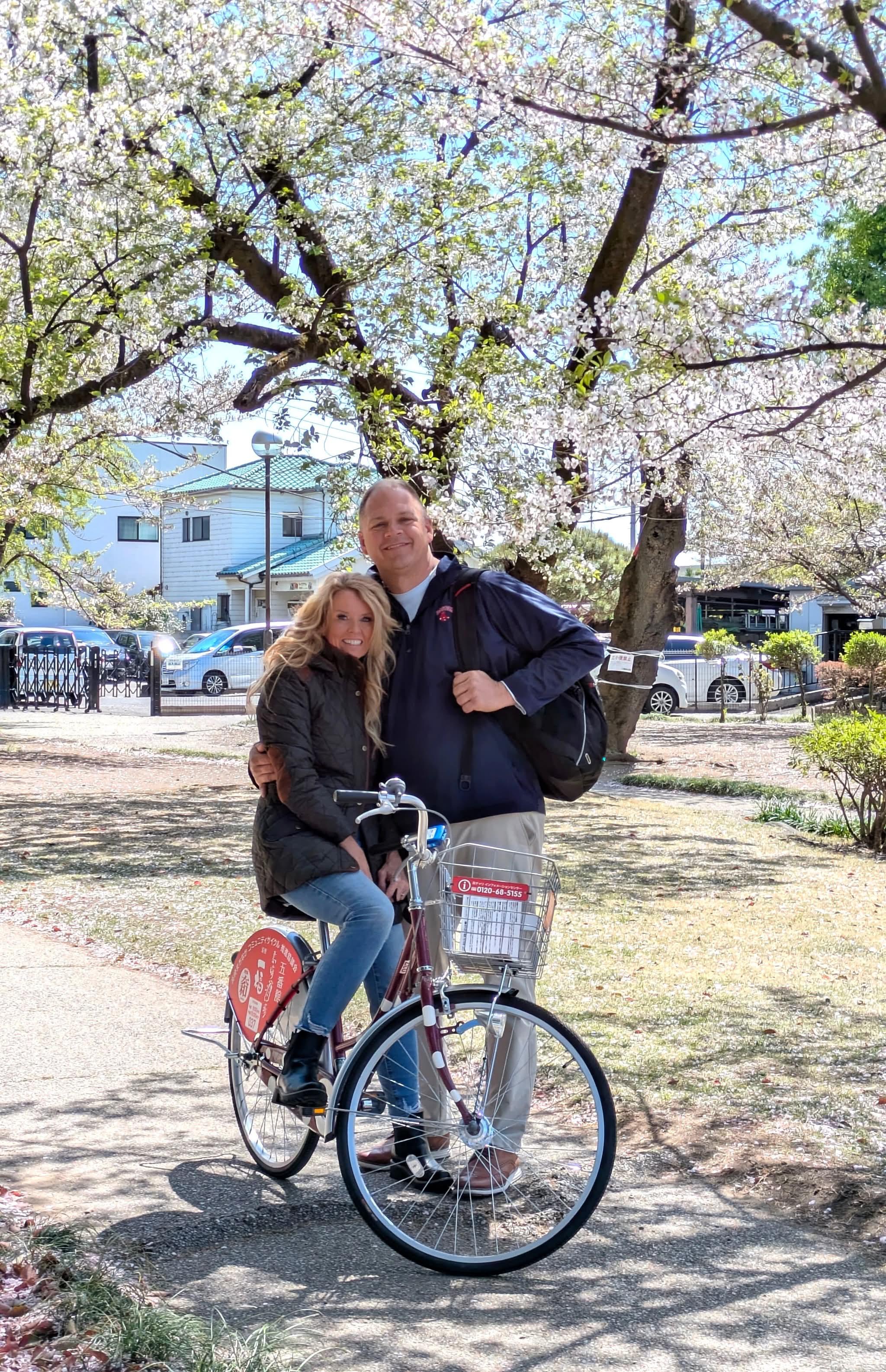
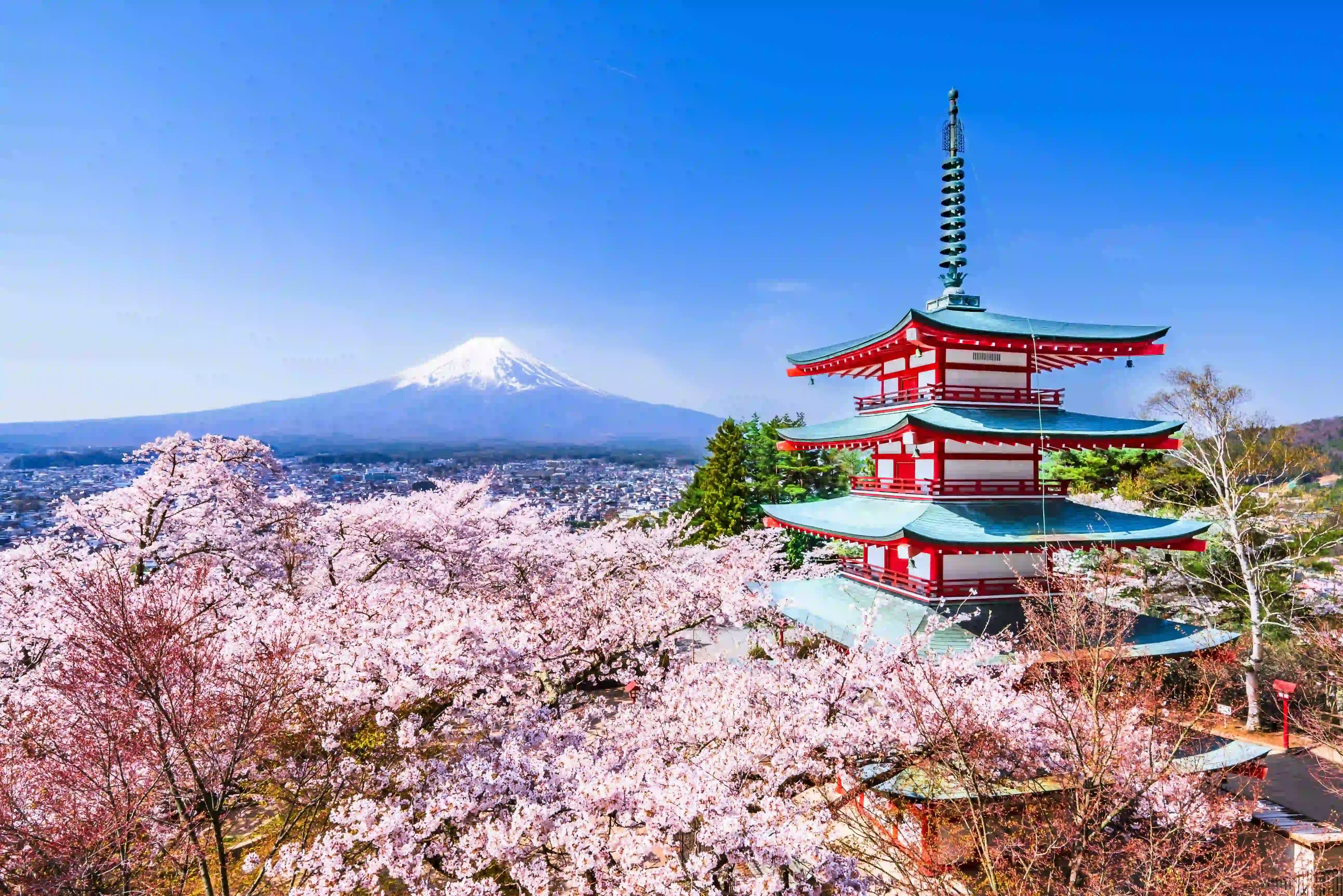
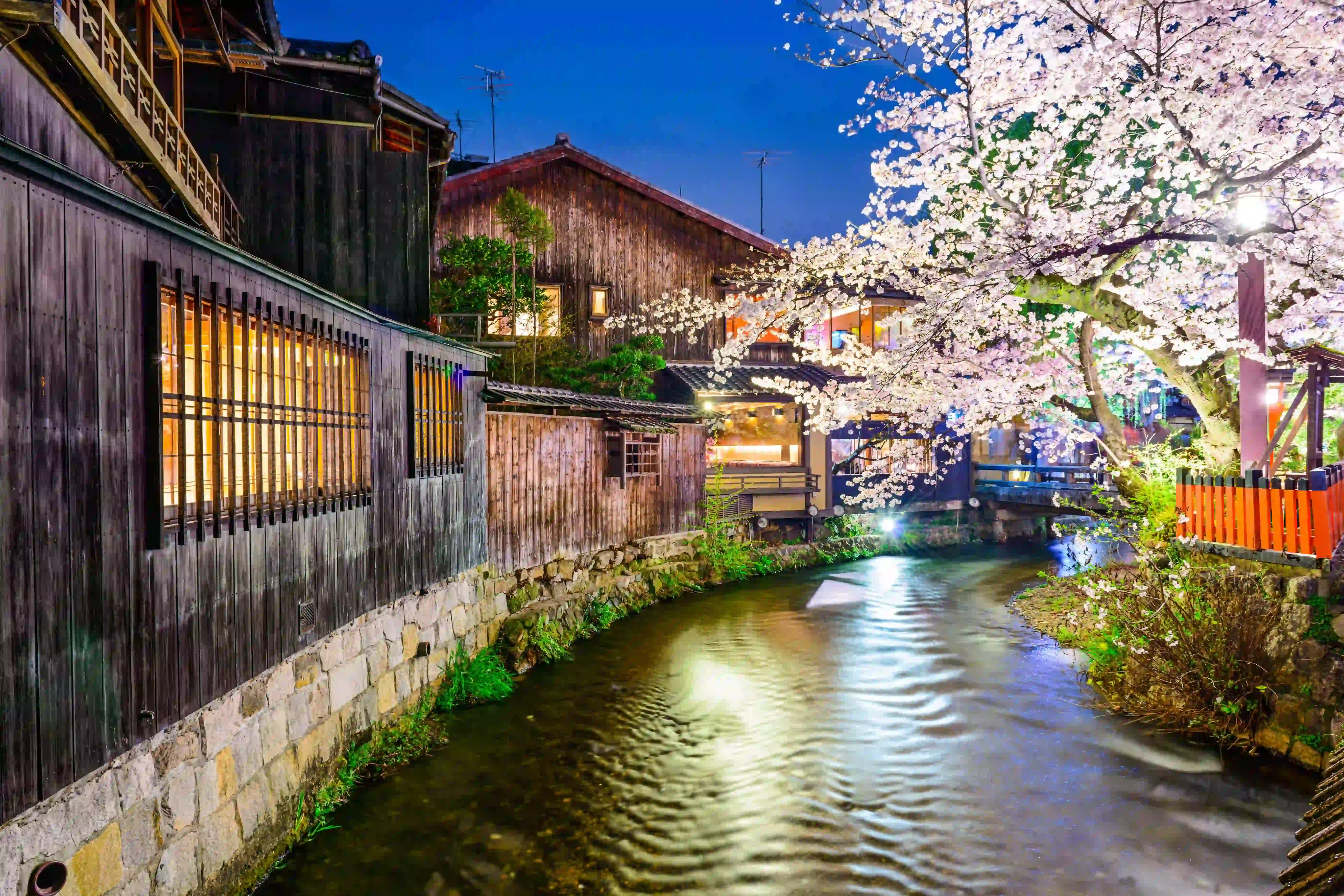
Spring is Japan's most iconic season. Cities like Tokyo and Kyoto transform during cherry blossom season. Bloom timing changes every year, hotels sell out months in advance, and pricing is at its highest. This is the season for first-time travelers and those wanting the most iconic version of Japan.
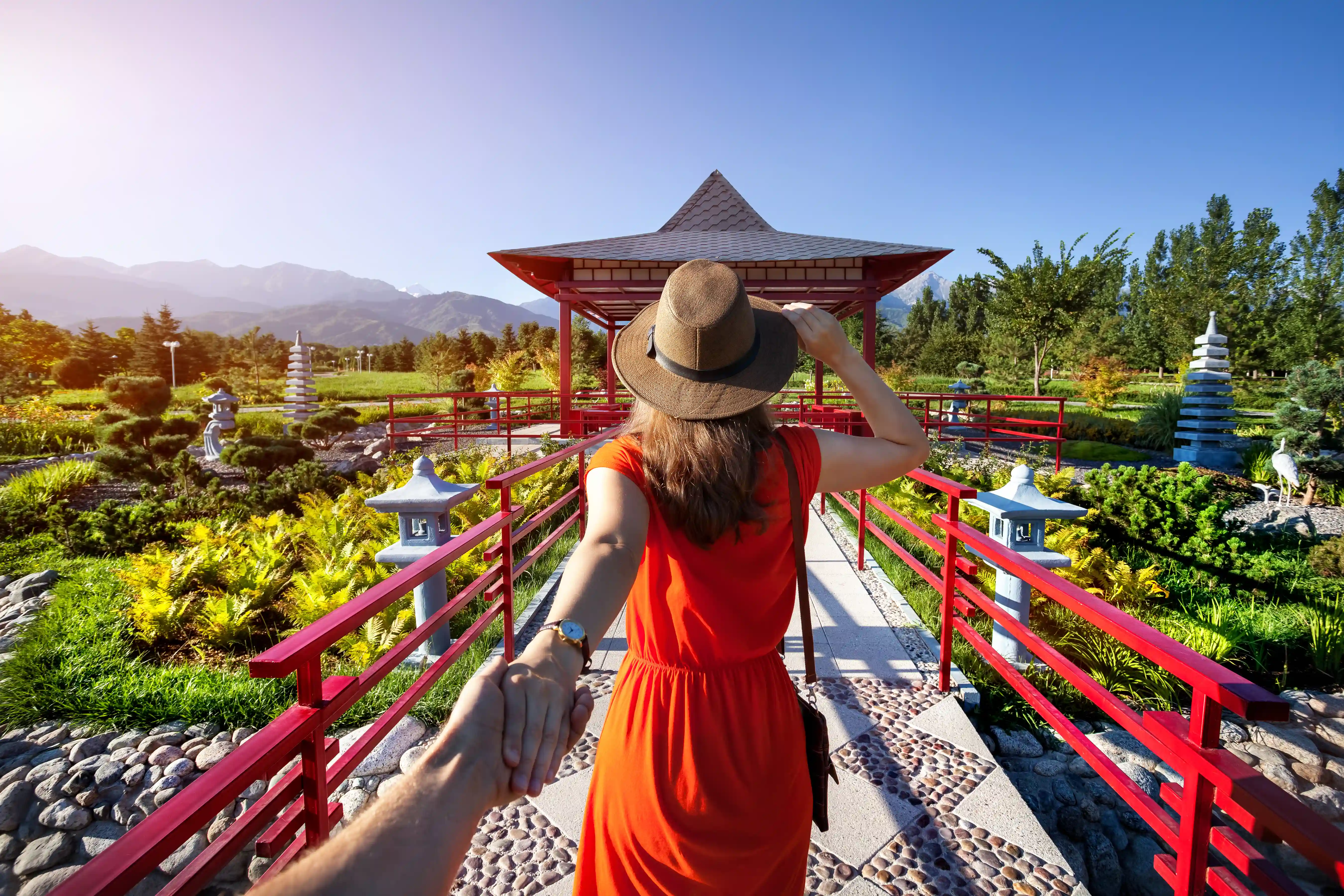
Summer is one of the most culturally immersive times to visit Japan. Cities like Osaka come alive with festivals, street food, and energy that you do not see at any other time of year. June brings the rainy season, while July and August are hot but vibrant. This is ideal for food lovers and repeat travelers.
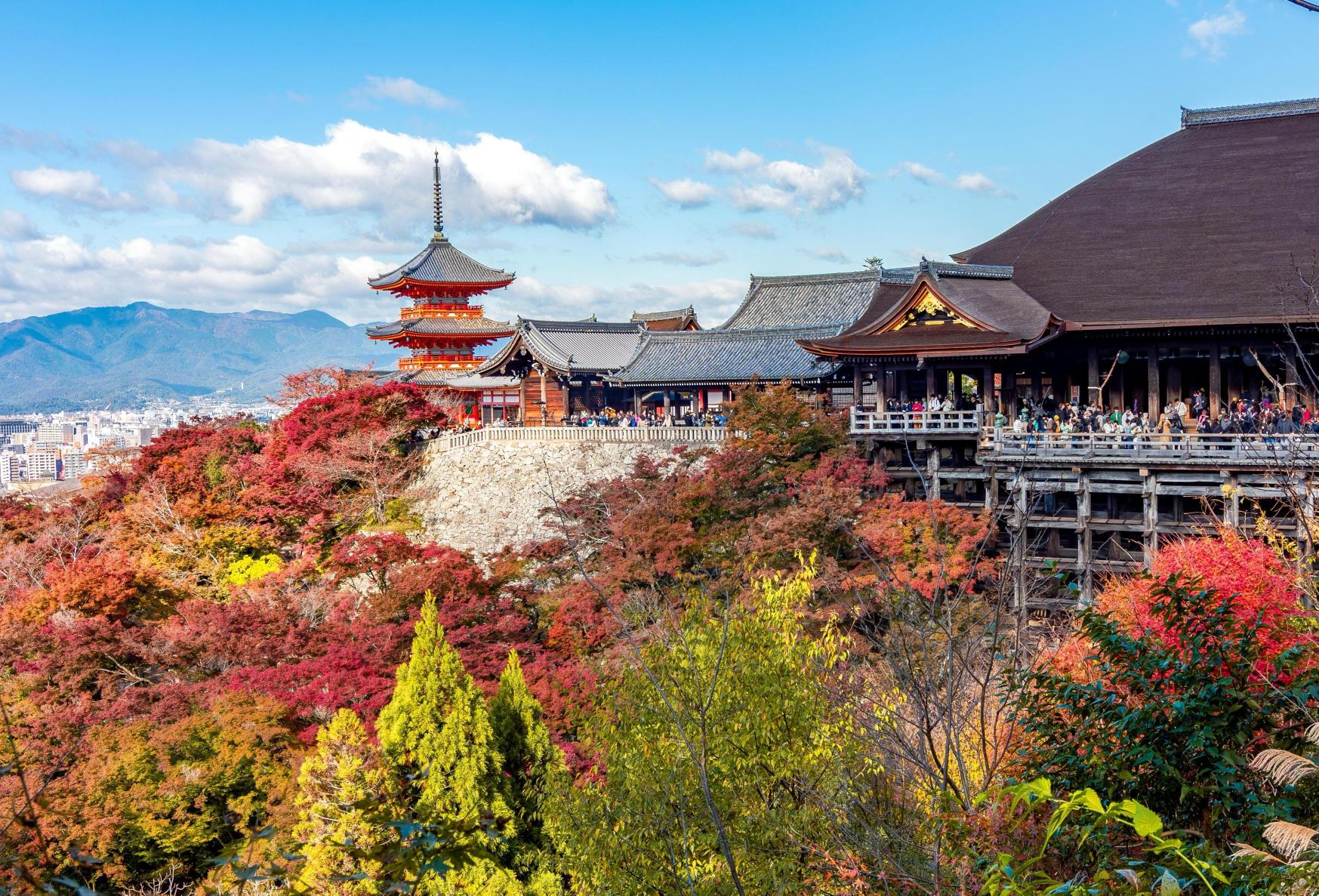
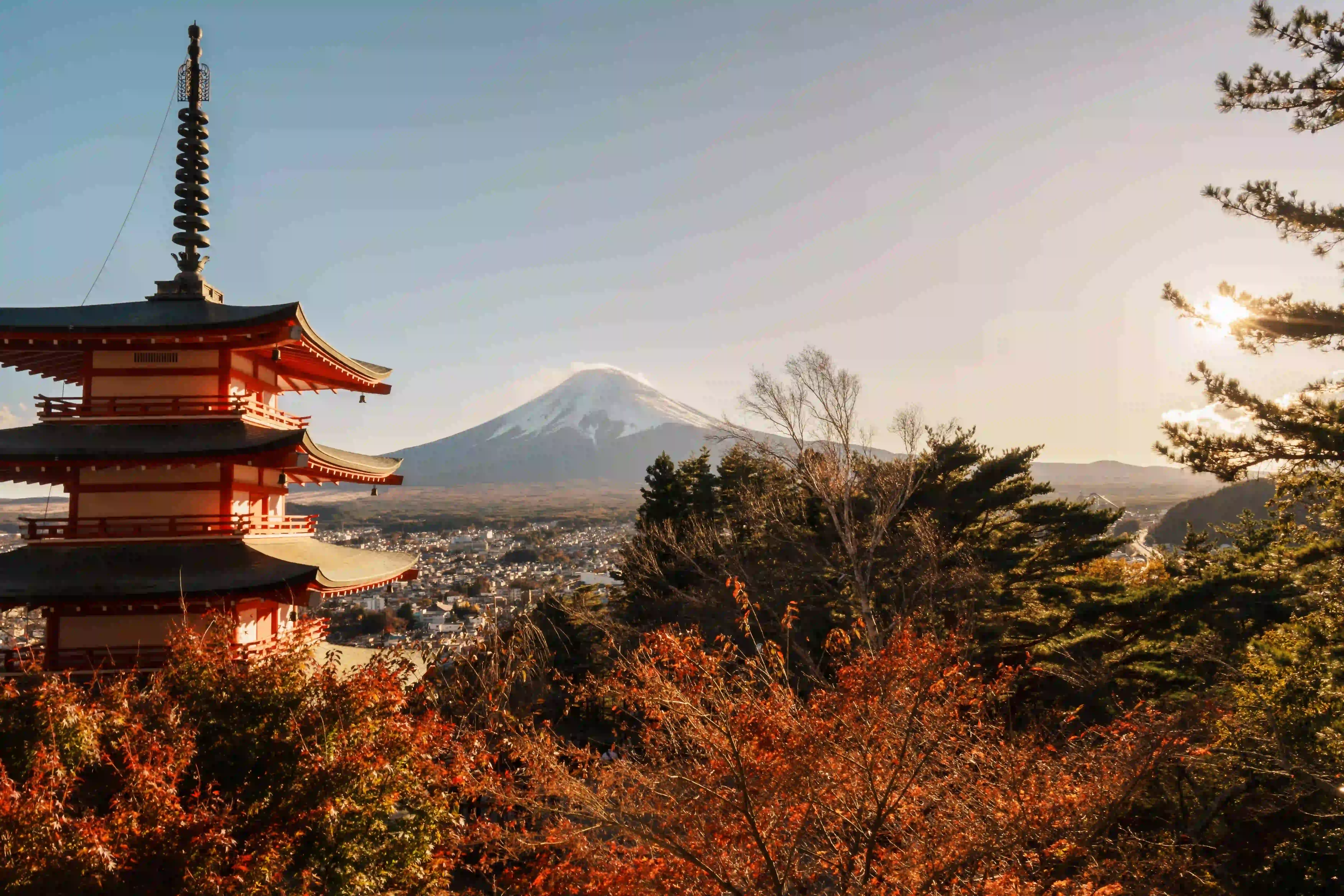
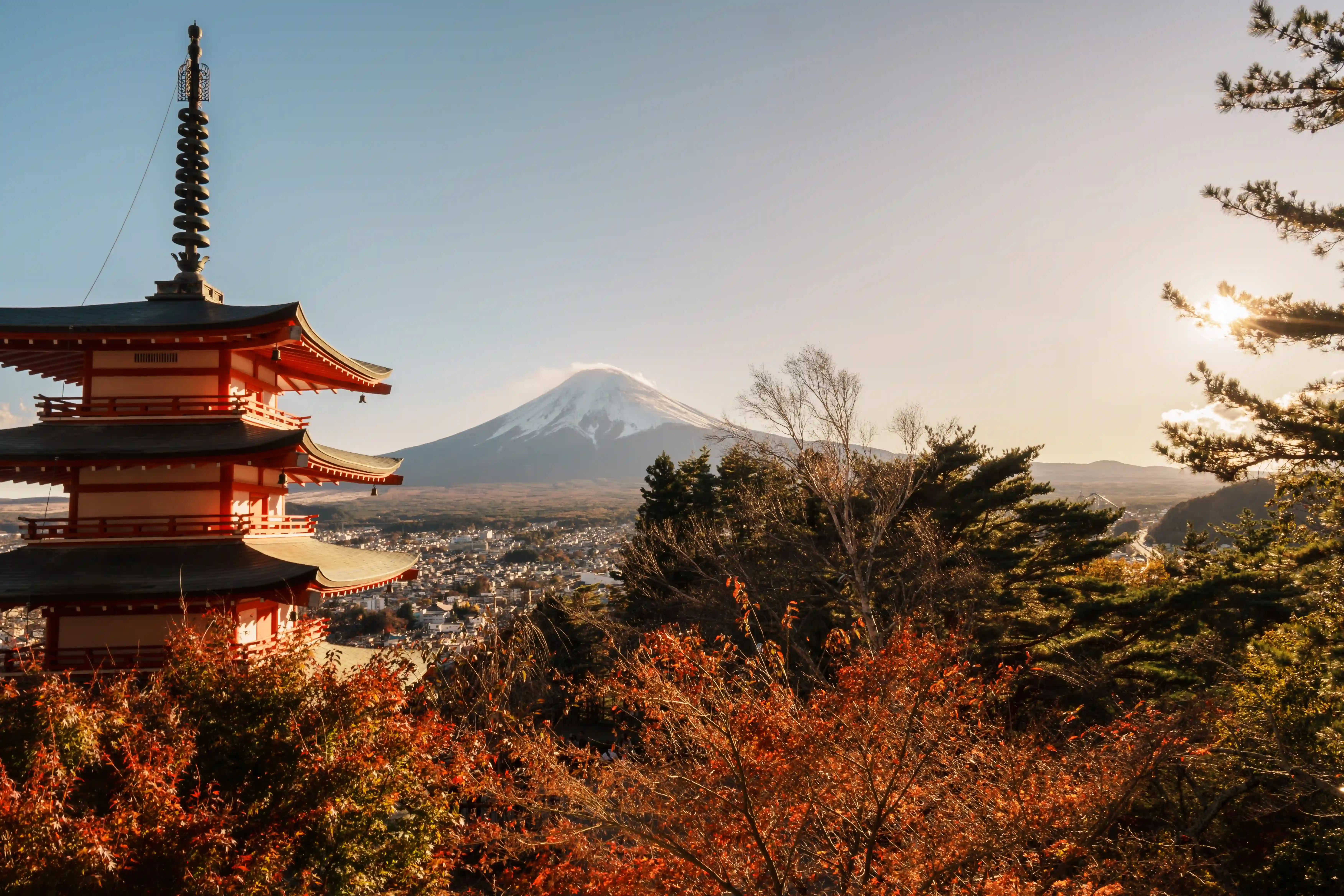
Fall is one of the best overall times to visit Japan. Destinations like Nikko and Kyoto offer incredible foliage with more balanced crowds than spring. The weather is comfortable, the colors are stunning, and the overall experience feels more refined.
Winter offers a quieter, more refined version of Japan. Regions like Hokkaido deliver world-class skiing and beautiful snow-covered landscapes. It is also one of the best times for traditional ryokan stays and hot spring experiences.
Witness the breathtaking transformation of Japan's landscapes, from the delicate cherry blossoms of spring to the silent, snow-draped beauty of winter.
Quiet and offers strong value with winter experiences.
Ideal for snow festivals and skiing.
Marks the beginning of cherry blossom season.
Peak cherry blossom season and the busiest time of year.
Excellent weather but avoid Golden Week.
Rainy but less crowded.
Brings festivals and high energy.
Hot but culturally vibrant.
Transitional with improving weather.
One of the best months overall.
Delivers peak fall foliage.
Festive, calm, and great for city travel.
Understanding this movement is essential when planning a multi-city trip to Japan.
Late March to early April
Slightly later than Tokyo
Begins in October
Peaks in November
Cherry blossom season brings the heaviest tourist crowds of any time of year.
Hotel prices increase significantly and availability becomes extremely limited.
Bloom timing changes every year, making logistics complex even for experts.
For many travelers it delivers iconic imagery, but not the best overall experience.
Spring offers iconic cherry blossoms but comes with heavy crowds and higher prices. Fall offers similar beauty with fewer crowds, better weather, and a more relaxed experience. For many travelers, fall delivers a better overall trip.
Iconic blossoms, peak crowds, highest prices
Stunning foliage, fewer crowds, better overall experience
Japan pricing is driven by demand. Peak periods include cherry blossom season, Golden Week, and fall foliage. During these times, hotel prices increase significantly and availability becomes limited.
For a more relaxed experience, consider traveling in January, February, or early June. These months offer better availability, lower pricing, and greater flexibility in planning.
Peak seasons mean limited availability and significantly higher pricing.
Shinkansen and rail planning become more complex during busy periods.
The best local guides book out months in advance during peak seasons.
Many experiences shift in quality and access depending on the time of year.
"The difference is the planning."
Every year, I see travelers who book too late for cherry blossom season and miss it entirely. I see travelers overpay for hotels because they did not understand timing. I see travelers try to move too quickly through Japan during peak periods and feel overwhelmed.
Choosing Japan based only on cherry blossoms
Treating Japan as a one-season destination
Planning around blossoms instead of experience
Not booking far enough in advance
If I had to choose, it would not be peak cherry blossom season. It would be May or October.
You still get beauty, but you gain something more important: access, ease, and flow.
Japan is not just about what you see. It is about how you experience it.

Most travelers plan Japan around cherry blossoms. My clients plan Japan around experience, access, and flow. That is the difference between a good trip and an exceptional one.
Cherry blossoms & iconic scenery
Festivals, food, culture
Peak foliage & refined experience
Snow, skiing, and onsen
I lived in Japan and have spent years designing custom itineraries across Tokyo, Kyoto, Osaka, and beyond. I continue to return regularly and work directly with hotels, suppliers, and on-the-ground partners. Timing in Japan changes everything.
Years of first-hand experience
Current, on-the-ground knowledge
Hotels, guides, and local experts
Exceptional trips, year after year
Go in April.
Go in May or October.
Go in winter.

We help you choose the right season, avoid costly mistakes, secure the best hotels, and build seamless itineraries.
Plan My Japan Trip