Japan is not a trip you rush. It is a place you settle into.
Japan is one of the most complex destinations in the world to plan well. The difference between a good trip and an exceptional one comes down to timing, pacing, and structure.

The best first-time Japan itinerary is a 10 to 14 day trip including:
Most first-time itineraries follow a natural east-to-west route. This makes travel efficient and avoids unnecessary backtracking.
A structured day-by-day breakdown that balances exploration, culture, and rest.
Settle in, overcome jet lag, explore your neighborhood.
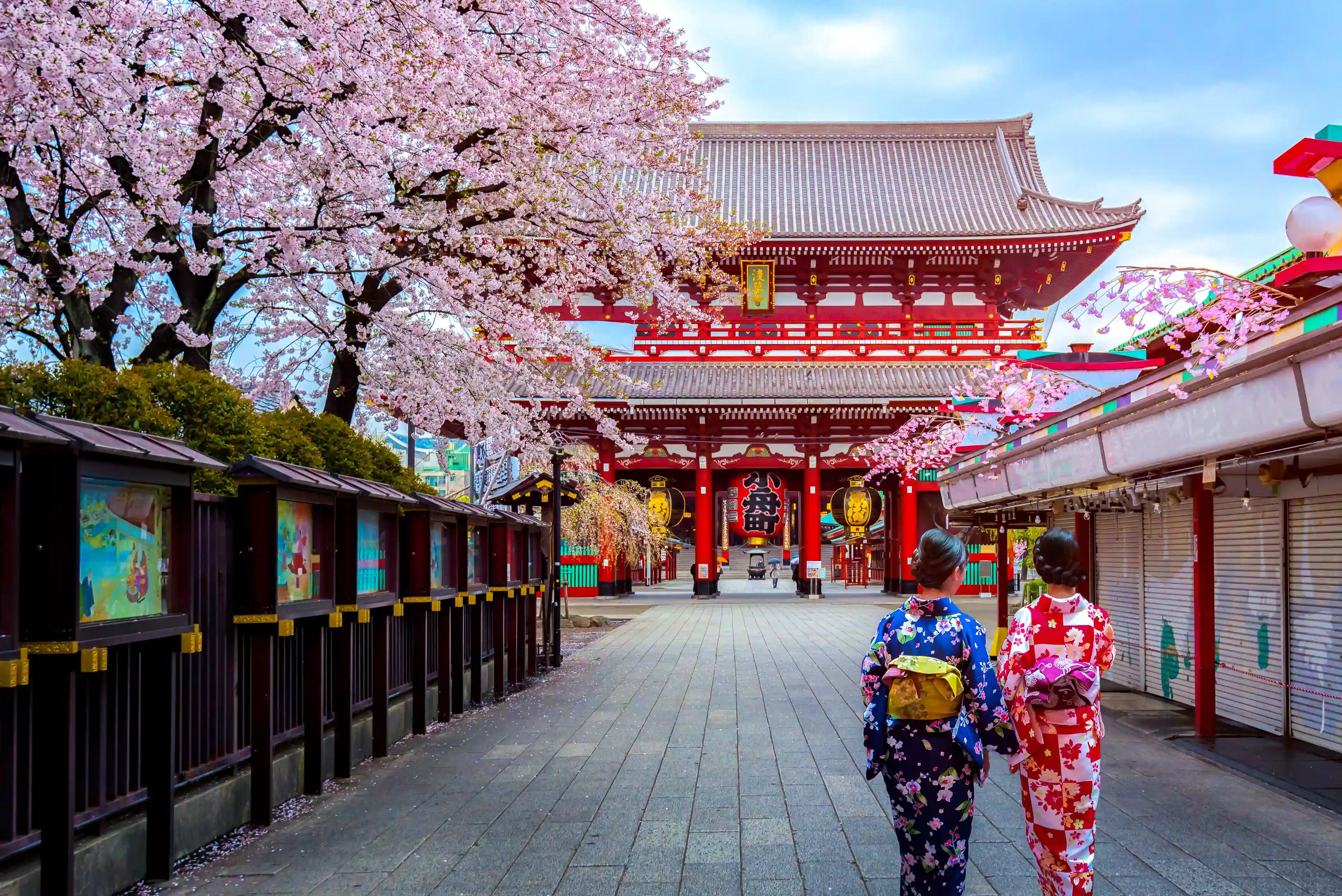
Shibuya, Shinjuku, Asakusa — food markets and local streets.
Deeper neighborhood discovery, art, architecture, and culture.
Take the Shinkansen west. Arrive and orient yourself in Kyoto.
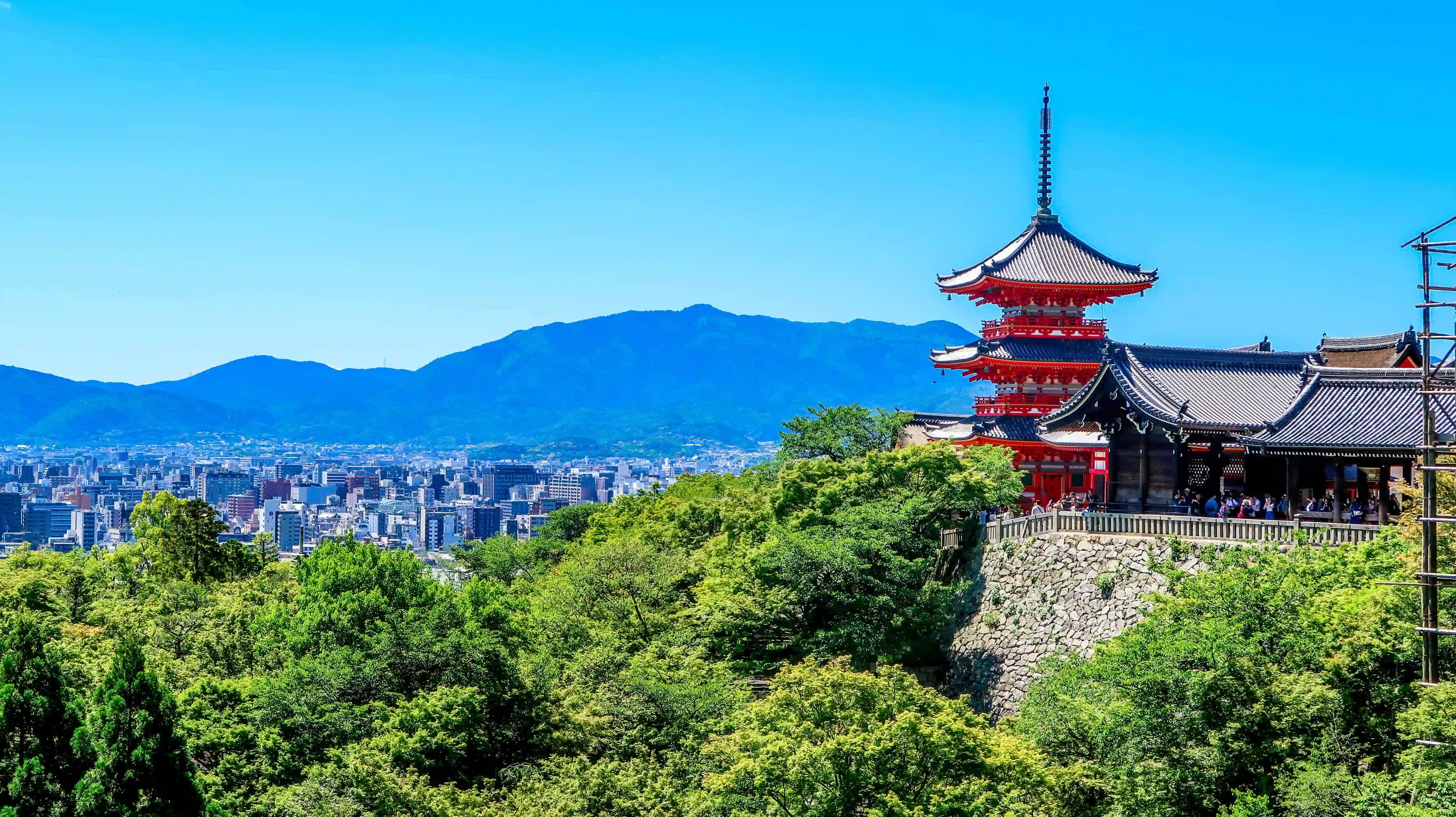
Fushimi Inari, Kinkaku-ji, Ryoan-ji — the iconic temple circuit.
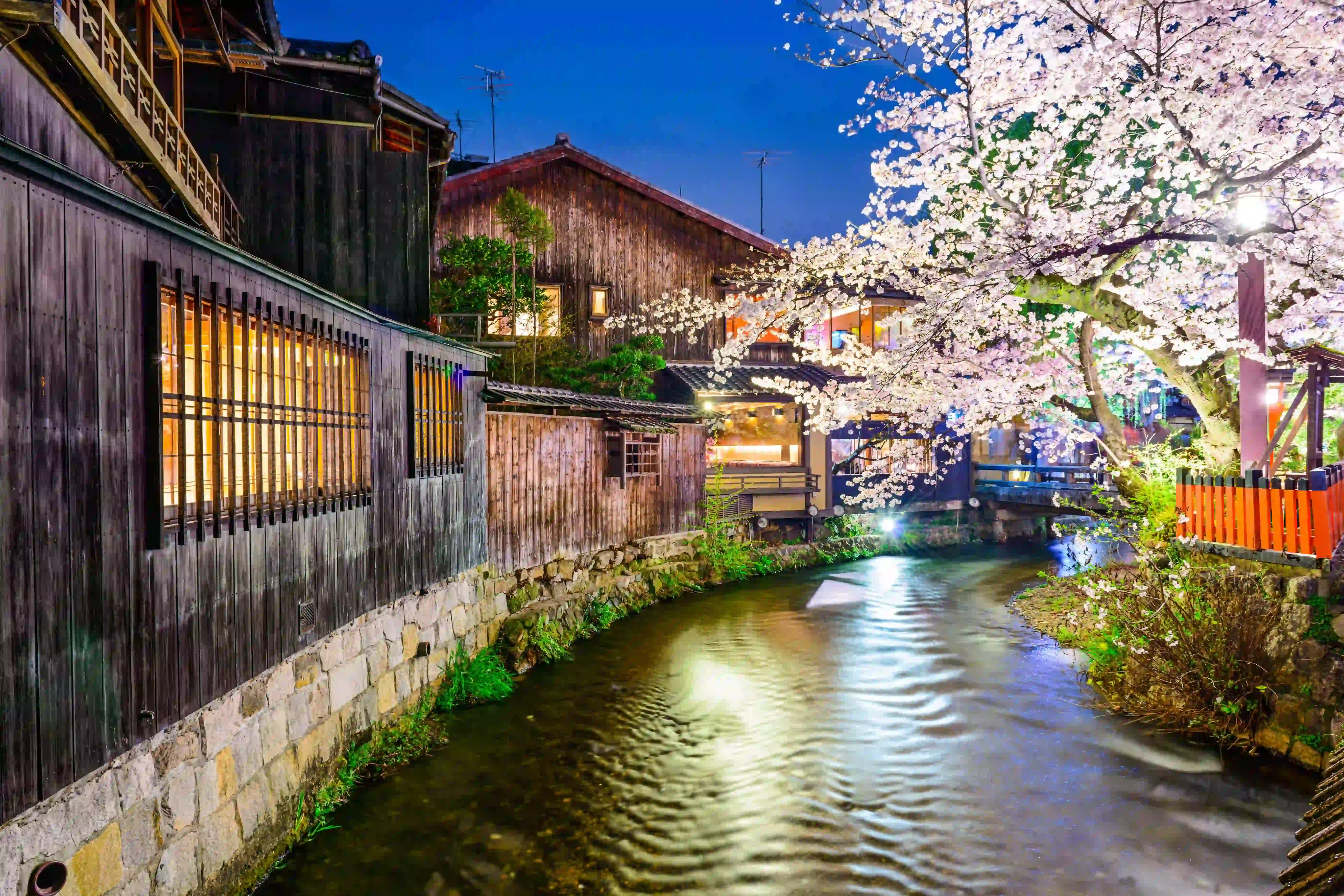
Gion district, traditional tea ceremony, and local markets.
A short train ride south. Arrive, check in, explore Dotonbori.
Street food, takoyaki, ramen — Osaka lives for eating well.
Visit Nara for deer and temples, or take a slower Osaka day.
Final morning in Japan. Depart from Osaka or back to Tokyo.
Every phase of the itinerary serves a purpose. Tokyo energizes, Kyoto grounds, and Osaka delights. The ideal 14-day version adds depth and breathing room.

Modernity and tradition collide.

Timeless temples and serene gardens.

The world's greatest food scene.

Quieter moments in Hakone or Nara.
Japan is not about how many places you visit. It is about how you move between them. The best itineraries are built around restraint, not ambition.
Every move costs time and energy. Fewer hotels means more presence in each city.
After a full temple day, build in a morning to wander with no agenda.
Some of the best Japan moments happen in streets you didn't plan to walk down.
Long-haul travel and time zone shifts are real. Schedule lighter days after major travel.
Timing affects crowds, pricing, and experience.
For first-time visitors, land travel is usually best.
Add Hakone for hot springs & Mt. Fuji views
Add Nara for ancient temples & deer park
Extend Tokyo for deeper food & shopping
Add an authentic traditional ryokan stay
Don't spend your trip on trains. Focus on quality, not quantity.
Leave room for spontaneity and rest. Don't overschedule.
Kyoto requires patience. Give it at least 3-4 full days.
Don't miss the food capital. It's the perfect contrast to Kyoto.
Not slowing down.
Most travelers wish they had spent more time in fewer places.
Booking too late
Choosing wrong neighborhoods
Overloading your schedule
Ignoring travel flow
Travelers often try to do too much, sacrificing depth for distance.
They miss key experiences because they rush through the itinerary.
The Difference It is not the destination. It is the structure.
If you get the structure right, Japan becomes one of the most rewarding trips in the world. If you get it wrong, it becomes overwhelming. Japan rewards travelers who slow down.
Japan rewards travelers who slow down.

We help you structure your itinerary, align it with your goals, avoid costly mistakes, and build a seamless experience.