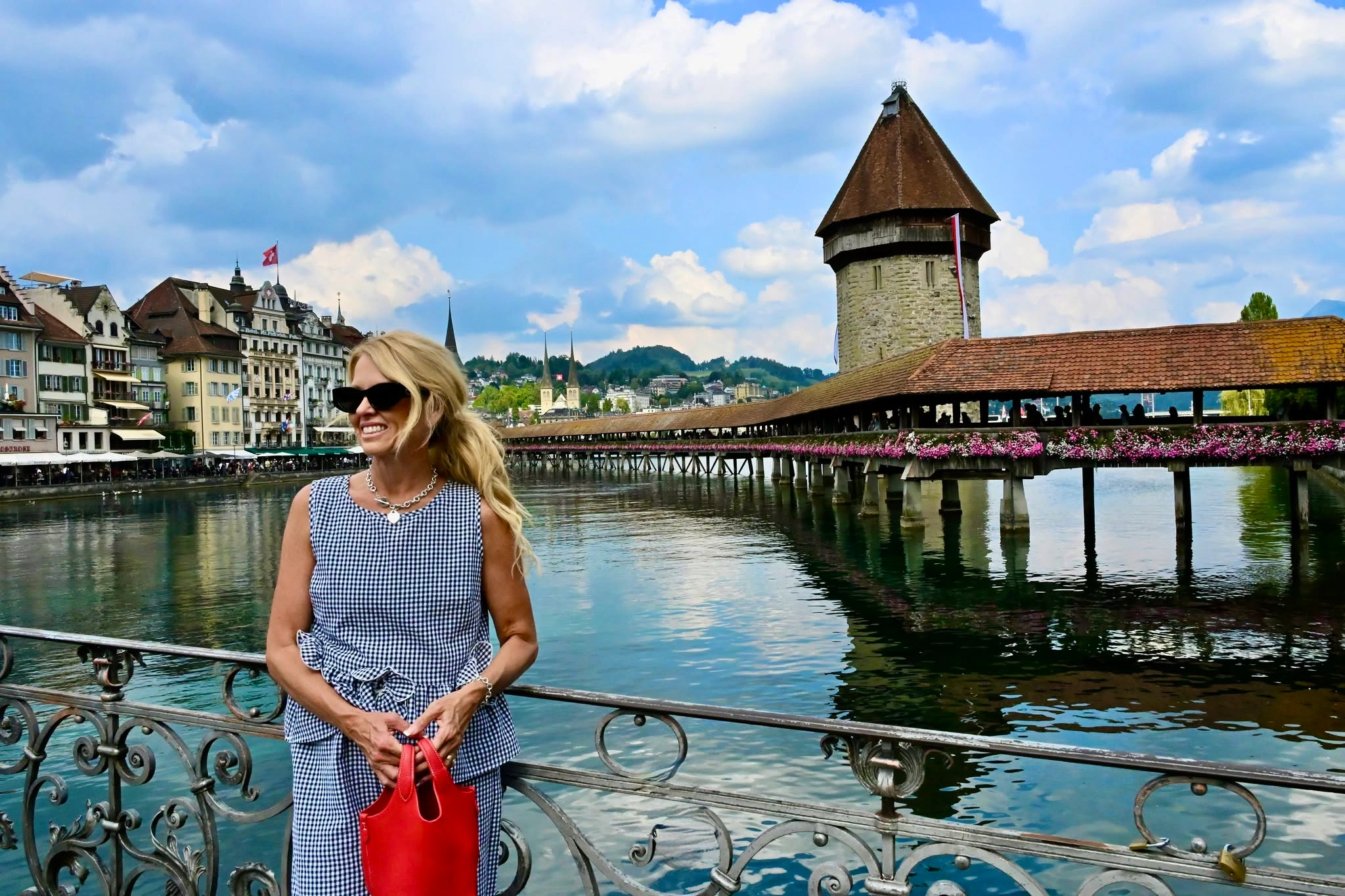
I first visited Switzerland as a college student in the early 1990s. Since then, I have returned in every season and traveled through all of its major regions.
I have skied here in winter, crossed the Alps in summer and visited during the quieter months of spring and autumn. I have explored the German speaking, French speaking and Italian speaking regions, stayed in cosmopolitan cities and small mountain villages and traveled throughout the country by train, boat, car, gondola and mountain railway.
For such a small country, Switzerland offers an extraordinary amount of diversity.
It has four national languages, distinct regional cultures, sophisticated cities, Mediterranean lakes, storybook villages, dramatic mountain landscapes and some of the most beautiful train journeys in Europe. The food, architecture, language and pace of life can change completely as you move from one region to another.
German speaking Switzerland feels different from the shores of Lake Geneva. Ticino can feel almost Italian. The Engadine Valley has its own identity, while the Bernese Oberland delivers the classic mountain scenery many travelers imagine when they picture Switzerland.
That variety is exactly why Switzerland is so easy to underestimate. It may look compact on a map, but this is not a destination you should rush through or attempt to plan without understanding how the country works.
After traveling extensively throughout Switzerland, these are the eleven mistakes I believe visitors should avoid.
1. Treating Switzerland as an Add On
For years, I made this mistake myself.
I would add a few days in Switzerland to a river cruise or squeeze it between visits to France, Germany or Italy. It was beautiful, convenient and easy to reach, but I was treating Switzerland as the space between other European destinations. It deserves far more than that.
Switzerland has enough regional, cultural and geographical diversity to fill an entire vacation. You could spend one trip exploring Lake Geneva and the French speaking region, another in the Bernese Oberland and another traveling through Ticino and the Engadine Valley.
Do not assume that two nights in Lucerne and one train ride through the Alps mean you have experienced Switzerland. Give the country the time it deserves.
2. Trying to See Too Much
Switzerland is small, but that does not mean you should change hotels every night.
It is tempting to plan a trip that includes Zurich, Lucerne, Interlaken, Zermatt, Montreux and St. Moritz in one week. Technically, it may be possible. That does not mean it will be enjoyable.
Every hotel change requires packing, checking out, reaching the station, managing luggage, making connections and waiting to check into the next hotel. You may see more destinations, but you will experience less of each one.
Choose two or three well placed bases and explore from there. Switzerland is particularly good for day trips because its transportation system connects cities, villages, lakes and mountain regions so efficiently. Slowing down does not mean seeing less. In Switzerland, it often allows you to see more.
3. Assuming You Should Do Everything Yourself
The Swiss train system looks easy, and taking the train can certainly be part of the experience. It is clean, efficient and wonderfully scenic.
It also looks far more fun before you are hauling large suitcases through a station, moving between platforms, managing children, making quick connections and trying to determine which train, boat, bus, gondola or mountain railway comes next.
Independent travel can work beautifully for experienced travelers with a simple itinerary and limited luggage. It is not automatically the best choice for every traveler.
If you are visiting several regions, traveling with multiple generations or want to understand the places you are seeing, consider a guided tour, private guide or professionally designed itinerary.
The right guide adds much more than transportation. A knowledgeable guide provides historical and cultural context, manages timing, helps you avoid crowded periods and introduces you to places you might never discover on your own.
A professionally planned journey may also include luggage transfers, coordinated transportation, reserved experiences and assistance when weather changes your plans. There is a difference between getting through Switzerland and truly experiencing it.
4. Choosing the Wrong Place to Stay
Where you stay can completely change how Switzerland feels.
Interlaken is convenient and offers excellent transportation connections, but it does not provide the same experience as waking up in Wengen, Mürren or Grindelwald. Staying in Lucerne is not the same as staying in a quiet village overlooking the lake. Zurich and Geneva are important cities, but they should not be the only places you experience.
The most convenient hotel is not always the hotel that will give you the Switzerland you imagined.
Think about what you want to see when you open your curtains in the morning. Do you want to be beside a lake, in the center of a historic city or surrounded by mountain peaks?
Sometimes reaching a smaller village requires an additional train or gondola. That extra effort may lead to the most memorable part of your trip.
5. Planning Your Itinerary Based Only on Distance
Two places can look close together on a map and still require several different forms of transportation.
A journey may involve a train, a boat, a bus and a mountain railway. Reaching a hotel in a car free village may require leaving your vehicle in the valley and continuing by train or gondola.
You must consider actual travel time, connections, elevation and the location of your hotel, not simply the number of miles between two destinations.
This is also why I recommend building some flexibility into every Switzerland itinerary. A missed connection, a weather change or a delayed mountain excursion can affect the rest of the day.
A realistic itinerary gives you enough time to enjoy the journey instead of constantly racing toward the next reservation.
6. Traveling With Too Much Luggage
Switzerland is not the place to bring everything you might possibly need.
Large suitcases become difficult when you are navigating train aisles, station staircases, cobblestone streets and short connections. This becomes even more complicated when you are traveling with children or moving between several regions.
Pack lighter than you think you need to. Choose clothing that can be layered and worn more than once.
Switzerland also offers luggage forwarding services on selected routes. Depending on your itinerary, sending luggage ahead can make train travel significantly easier. The less you carry, the more freedom you will have to enjoy the journey.
7. Planning Mountain Experiences Without Watching the Weather
The weather in a Swiss city or valley may have very little connection to what is happening at the top of a mountain.
You can leave your hotel in warm sunshine and arrive at a mountain station where it is cold, windy and surrounded by clouds. Conditions can also change quickly throughout the day.
Check the mountain webcams before leaving your hotel. If the view is completely covered, consider changing your plans rather than spending a significant amount of money to stare into the clouds.
When possible, schedule important mountain excursions early in your trip. That gives you another opportunity if the weather does not cooperate.
You should also pack for changing conditions regardless of the season. Bring layers, a waterproof jacket, sun protection and comfortable shoes with good traction.
8. Assuming Your Rail Pass Includes Everything
Swiss rail passes can provide excellent value, but they do not necessarily include every train, gondola, mountain railway or scenic excursion.
Some routes may be fully included, while others are discounted. Certain panoramic trains may also require advance seat reservations even when the rail portion is covered by a pass.
Before purchasing a pass, compare it with the actual transportation included in your itinerary.
Consider how many days you will travel, which mountain excursions you plan to take and whether you will use boats, buses and local transportation.
Do not purchase a pass simply because everyone online says you need one. The right choice depends on your individual journey.
9. Visiting Only the Places You Have Seen on Social Media
Lauterbrunnen, Lucerne, Interlaken and Zermatt are famous for a reason. They are beautiful, but they represent only a small part of Switzerland. There is so much more to discover.
Explore the vineyards and towns around Lake Geneva. Experience the Italian influence of Ticino. Travel into the Engadine Valley and spend time in St. Moritz. Visit Bern, Lausanne or Montreux. Take a boat across Lake Brienz or stay in a village where the evening becomes quiet after the day visitors leave.
Social media can show you where everyone else is going. It cannot always tell you which region is right for you.
Switzerland becomes far more interesting when you look beyond the same few photographs and allow yourself to experience its regional differences.
10. Filling Every Day With Activities
Switzerland is not a destination that needs to be conquered.
Some of its best moments happen when you stop moving. Sit beside a lake. Walk through a village without an agenda. Take a boat simply for the view. Spend an afternoon at a mountain spa. Order lunch on a terrace and watch the trains move through the valley.
Leave room in your itinerary for weather changes, unexpected discoveries and quiet afternoons.
Switzerland is expensive, so travelers sometimes feel pressure to make every minute productive. But value is not measured by the number of attractions you complete in a day.
The beauty of Switzerland is not only found at the top of a mountain or through the window of a scenic train. It is also found in the feeling of slowing down.
Switzerland Is Small, but It Is Incredibly Layered
The greatest mistake you can make is believing that Switzerland will be simple because it is small.
11. Underestimating How Expensive Switzerland Can Be
Switzerland is expensive, even for experienced luxury travelers.
Hotels, restaurants, trains, mountain railways, gondolas and private guides can add up quickly. A casual lunch may cost far more than expected, and mountain excursions can become a significant expense for an entire family.
This is where guided touring really is an advantage.
Do not wait until you arrive to create your budget. Research transportation, excursions and dining costs before your trip. Decide which experiences are most important and make room for them in advance.
This is also where thoughtful planning becomes valuable. The right rail pass, hotel location and itinerary can prevent unnecessary transportation costs and expensive last minute decisions.
Switzerland does not need to be inexpensive to provide value. But you should understand the cost before arriving so you can enjoy the experience without worrying about every meal, train ticket or gondola ride.
This country contains an astonishing variety of landscapes, languages, cultures and experiences. Each season brings something different, and each region has its own character.
After visiting Switzerland in every season and traveling throughout its different regions, I am still discovering new places and new reasons to return.
Plan thoughtfully. Choose the right regions. Give yourself enough time. Know when independent travel makes sense and when a guided experience will give you more.
Most importantly, do not rush through Switzerland on your way to somewhere else.
Let Switzerland be the destination.
I’m already planning my next trip back to ski in St. Moritz.