
Alumni travel is organized group travel connected to a college, university, alumni association, or similar educational community. These programs often combine destination experiences with opportunities for learning, cultural immersion, and connection among travelers who share an institutional affinity.
There is no single model for alumni travel. One university may offer faculty-led study tours, while another may offer land journeys, river cruises, small-ship voyages, or programs operated with specialized travel partners. Eligibility also varies: some programs welcome family and friends, while others have institution-specific participation or donor requirements.
Understanding those differences is important whether you are considering joining an alumni trip or helping an institution explore an educational group travel program.
What Is Alumni Travel?
At its simplest, alumni travel is a travel program associated with a university or alumni community.
What makes these trips distinctive is that the journey may extend beyond traditional sightseeing. Depending on the program, travelers may have access to educational programming, faculty or expert hosts, lectures, destination-focused discussions, cultural experiences, or opportunities to travel with members of the same university community.
Current university programs illustrate how varied that model can be.
Cornell Alumni Travel, for example, offers alumni tours as well as faculty-led Cornell's Adult University (CAU) Study Tours. Stanford Travel/Study emphasizes educational travel and programs involving faculty and scholars. Other institutions offer combinations of land journeys, river cruises, ocean or small-ship voyages, and other destination-focused programs.
Rather than thinking of alumni travel as one particular type of tour, it is more useful to think of it as a category of group travel built around an educational or institutional community.
How Do University Alumni Travel Programs Work?
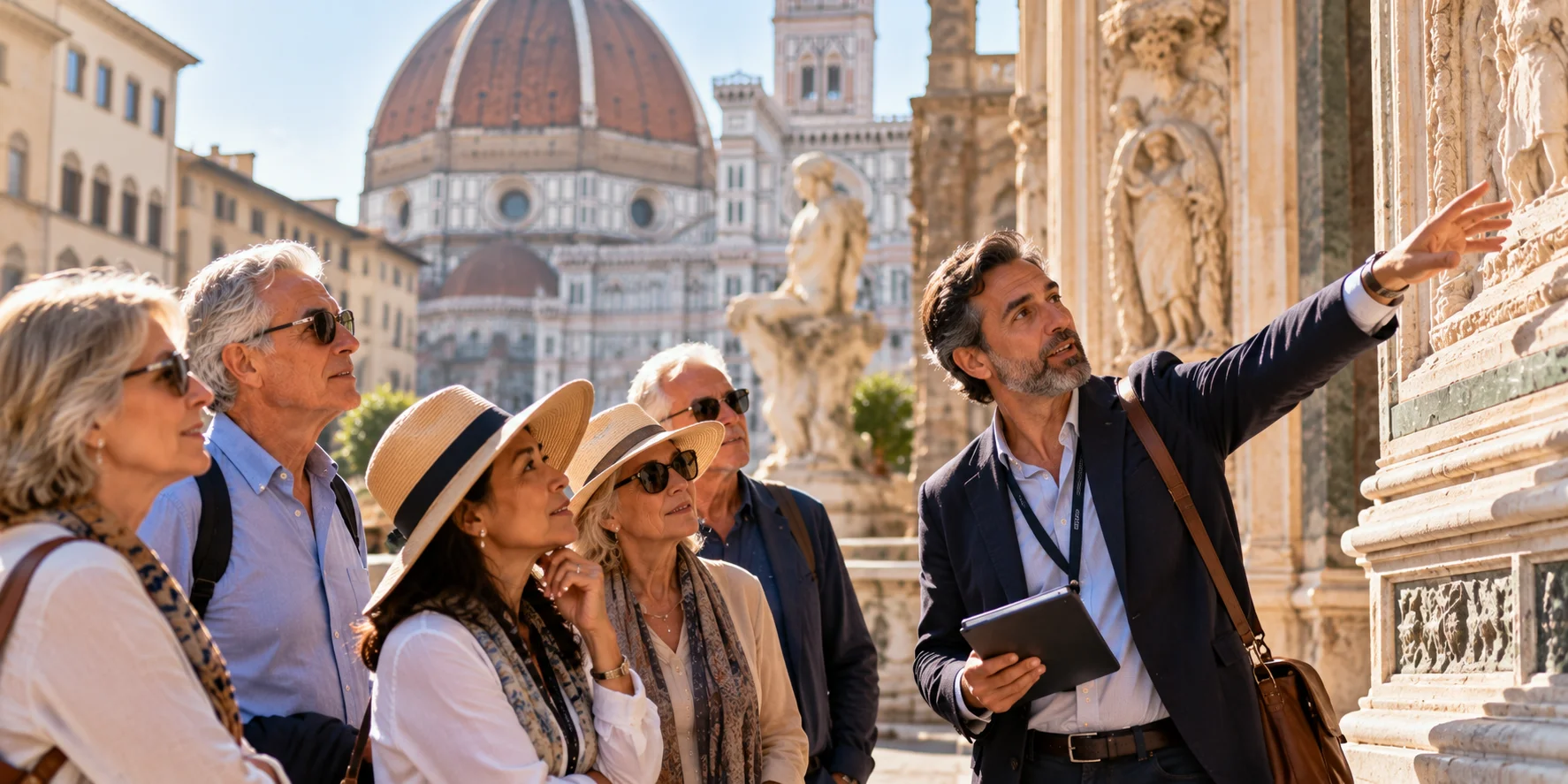
The name of a university may be the most visible part of an alumni travel program, but several organizations and people can be involved in creating and delivering the actual trip.
The exact structure varies by institution and departure.
The University or Alumni Association
A university, alumni association, or related institutional organization may establish the program, select or promote journeys, communicate with its community, and determine who is eligible to participate.
Its level of involvement can vary considerably.
That is why travelers should not assume that every trip carrying a university's name is structured or operated in exactly the same way.
Travel and Tour Partners
Universities may work with professional travel companies to develop and operate their programs.
Cornell, for example, states that its tours are produced in collaboration with experienced travel companies specializing in educational touring. UCLA similarly explains that individual tour operators determine details such as dates, itineraries, program specifics, and costs for its tours.
For travelers, this distinction matters.
The institution associated with a trip and the company responsible for operating the journey may have different responsibilities. Travelers should therefore understand who operates their particular program and review its booking and travel terms before committing.
Faculty, Staff, and Expert Hosts
Some alumni programs incorporate faculty members, university representatives, scholars, or other experts.
Their role may include lectures, informal discussions, destination interpretation, or educational programming connected to the places being visited.
However, not every alumni trip is faculty-led.
Cornell, for instance, distinguishes its faculty-led CAU Study Tours from other alumni travel programs. Travelers interested specifically in faculty interaction should verify who is scheduled to accompany their particular departure rather than assuming a professor will be present.
Local Guides and Tour Directors
Depending on the itinerary, professional tour directors and local destination guides may also play significant roles.
They can provide logistical support and destination expertise while a university or educational host may contribute an institutional or academic component.
The result can be a layered travel experience involving both professional travel operations and educational programming.
What Makes Alumni Travel Different From a Regular Group Tour?

The differences depend on the individual program, but alumni travel can add an educational and community dimension to organized travel.
A conventional group tour may bring together travelers primarily because they chose the same itinerary. An alumni program can also connect travelers through an institution or educational community.
That shared connection can shape the experience in several ways.
Educational Enrichment
Learning is a prominent feature of many university travel programs.
That may involve faculty lectures, scholars, educational materials, guided site visits, expert-led discussions, or programming designed to provide deeper context for a destination.
Cornell's faculty-led study tours, for example, incorporate lectures and site visits, while Stanford emphasizes faculty and scholar involvement within its Travel/Study program.
Not every trip will have the same academic depth, so travelers should examine the educational component of the specific program they are considering.
A Shared Community
Alumni programs can bring together travelers connected by a university, but the community may be broader than graduates alone.
Depending on the institution, participants may include alumni, spouses, family members, friends, donors, or other eligible travelers.
That makes the word "alumni" somewhat broader in practice than it may initially appear.
Curated Group Experiences
University travel programs may be built around cultural immersion, educational themes, particular destinations, or specialized forms of travel.
The experience can therefore be as much about how travelers engage with a destination as where they go.
Do You Have to Be an Alum to Join an Alumni Trip?
Not always. Eligibility depends on the institution and program.
Cornell states that its travel programs are open to alumni, family, and friends. Stanford also welcomes travelers beyond Stanford graduates under its program's eligibility framework.
Other institutions use different rules. UCLA's current alumni travel program, for example, requires at least one person in a traveling party to meet its sustaining-donor requirement.
These examples are not universal rules. They demonstrate why travelers need to check the current eligibility requirements for the specific university and departure they want to join.
Are Alumni Trips Always Faculty-Led?
No.
Faculty-led travel is an important part of university travel, but the terms "alumni travel" and "faculty-led travel" are not interchangeable.
Some programs are specifically designed around a professor or academic expert. Others may use university hosts, professional tour directors, destination specialists, local guides, or other experts.
Cornell's program provides a clear example of this distinction by separately identifying faculty-led CAU Study Tours within its broader alumni travel offerings.
If the opportunity to travel with a professor or particular expert is important to you, verify that person's participation for your specific departure.
What Types of Alumni Travel Programs Are Available?

University travel programs can take many forms. Current programs demonstrate that alumni travel is not limited to traditional escorted land tours.
Cultural Land Journeys
Land programs can focus on a country, region, history, culture, wildlife, food, art, or another educational theme.
These trips may combine accommodations, transportation, guided touring, cultural experiences, and educational programming within a structured itinerary.
River Cruises
River cruising can provide a format for educational group travel that allows travelers to visit multiple destinations while remaining with the same group throughout much of the journey.
Exact arrangements vary, so travelers should determine whether their university group has exclusive arrangements or is part of a larger sailing.
Ocean and Small-Ship Cruises
Alumni programs can also take place aboard ocean and small ships.
Importantly, an "alumni cruise" does not necessarily mean that the entire vessel is reserved for one university.
Cornell identifies some departures that are shared with peer institutions, and Yale explains that some cruise programs can include travelers associated with other university alumni associations and similar organizations.
Expedition Travel
Small-ship and expedition-style travel can support educational programming in destinations where natural history, wildlife, geography, or culture are central to the experience.
The particular educational and expedition components should always be evaluated at the program level rather than assumed from the destination alone.
Safaris and Wildlife Journeys
Wildlife-focused journeys can also fit within educational group travel when interpretation and destination learning are central to the itinerary.
Travelers should examine the itinerary, guides, accommodations, group structure, activity requirements, and educational program when comparing options.
Faculty-Led Study Tours
These programs put learning at the center of the journey.
Depending on the institution, a faculty-led program may include lectures, discussions, guided site visits, or other opportunities to explore a subject in the places where its history, culture, environment, or significance can be experienced firsthand.
How Large Are Alumni Travel Groups?
There is no universal group size for alumni travel.
Group size can depend on the institution, destination, tour operator, transportation, accommodations, and type of trip.
Current university programs demonstrate the variation. Cornell says its land groups tend to number approximately 22 to 28 travelers. Villanova describes programs ranging from 15 to 40 travelers, with most averaging around 24. Northwestern notes that many of its land programs have 24 or fewer participants, while some can reach 45.
Those figures are examples from individual university programs—not an industry-wide standard.
Cruise programs can work differently. A university may have its own affinity group aboard a vessel carrying travelers from other institutions or the general public.
Travelers who prefer either intimate small-group travel or a larger social environment should therefore ask about both the university group's expected size and the overall trip or ship capacity.
What Is Usually Included in an Alumni Travel Program?
There is no universal list of alumni-travel inclusions.
Instead of assuming that a program includes particular services, travelers should review exactly what is—and is not—part of the quoted trip.
Depending on the program, items to check can include:
- accommodations;
- transportation during the itinerary;
- sightseeing and excursions;
- local guides or tour directors;
- faculty, scholar, or other educational programming;
- specified meals;
- gratuities;
- airport or destination transfers;
- international or domestic airfare;
- pre- and post-trip arrangements;
- travel insurance; and
- passport or visa-related expenses.
These are items to verify, not promises that every alumni program includes them.
What Should You Check Before Joining an Alumni Travel Program?
A university connection can make a trip appealing, but travelers should evaluate an alumni journey with the same care they would use for any significant travel decision.
Before registering, review the specific program's:
Eligibility requirements. Determine whether participation is limited to alumni or whether spouses, friends, family members, donors, or other travelers may join.
Trip operator. Know which organization is responsible for operating the journey.
Faculty or host participation. Confirm whether the departure is faculty-led, institution-hosted, expert-led, or primarily operated by professional guides.
Group structure. Ask about the expected size of your university group and whether the departure will be shared with other institutions or travelers.
Physical requirements. Review walking expectations, terrain, transportation, accessibility considerations, and activity levels.
Inclusions and exclusions. Understand exactly what the program price covers.
Payment and cancellation terms. Review the applicable booking conditions before committing.
Insurance requirements or recommendations. Determine what coverage is included, required, or available separately.
Pre- and post-trip options. Some programs may provide extensions or additional arrangements, but availability varies.
A university name can create a sense of familiarity, but the specific trip details and terms remain essential.
Who Actually Plans and Operates Alumni Trips?

The answer may involve more than one organization.
A university or alumni association can sponsor, promote, host, or help shape a program while a specialized travel company handles substantial elements of itinerary development and trip operation.
Cornell explicitly describes collaborating with experienced companies specializing in educational touring. UCLA similarly notes that individual tour operators establish important trip details for its programs.
This structure can combine an institution's community or educational resources with professional travel operations.
For institutions considering a travel program, this also makes the choice of travel partner an important part of program development.
Why Do Universities Offer Alumni Travel Programs?
Current university travel programs repeatedly emphasize themes such as lifelong learning, exploration, cultural understanding, and connection among members of their communities.
Educational programming can allow travelers to encounter subjects in destination context: history where events occurred, art and architecture where they were created, or wildlife and natural environments firsthand.
Many programs also emphasize the experience of traveling with people connected to the same institution or educational community.
Those are recurring themes in the programs reviewed for this guide, rather than universal objectives for every university travel program.
Claims about fundraising results, donor retention, alumni-engagement performance, or financial outcomes should not be inferred simply because an institution offers alumni travel.
Planning an Alumni or Educational Group Journey
Educational group travel can begin with several fundamental questions: Who will travel? What is the purpose of the journey? What should participants experience or learn? And what type of travel program supports those objectives?
Trips & Ships Luxury Travel currently describes its group-travel work as including customized programs for universities, alumni associations, and nonprofit foundations, including educational study programs, donor cultivation journeys, and faculty-led travel.
For an institution exploring a program, planning considerations can include the intended audience, educational or cultural purpose, destination, travel format, group structure, and whether faculty or another institutional host will participate.
Those decisions can help define the kind of journey an institution wants to explore with a travel partner.
Frequently Asked Questions About Alumni Travel
What is an alumni travel program?
An alumni travel program is organized group travel connected to a college, university, alumni association, or similar educational community. Depending on the program, it may combine destination experiences with educational programming, cultural exploration, expert or faculty involvement, and opportunities to travel with others connected to the institution.
Do I have to be an alumnus to join an alumni trip?
Not always. Eligibility varies by institution and program. Cornell states that its travel programs are open to alumni, family, and friends, while Stanford also welcomes travelers beyond Stanford graduates under its eligibility framework. Other institutions may have different participation requirements.
Can spouses, family members, or friends join alumni travel programs?
Some programs allow spouses, family members, and friends to participate. Because eligibility policies differ among institutions, travelers should check the requirements for the specific program they are considering.
Are alumni travel programs only for university graduates?
No universal rule limits alumni travel programs exclusively to graduates. Some institutions welcome a broader community of travelers, while others use specific alumni, membership, or donor requirements.
Are alumni trips always faculty-led?
No. Some programs are specifically faculty-led, while others may involve university hosts, scholars, professional tour directors, destination specialists, local guides, or other experts. Travelers should verify who is scheduled to accompany their particular departure.
What is a faculty-led travel program?
A faculty-led travel program is a journey in which a faculty member has a direct educational role. Depending on the program, that may include lectures, discussions, guided site visits, or other learning opportunities connected to the destination.
How is alumni travel different from a regular group tour?
The distinction varies by program, but alumni travel can add an educational and institutional-community dimension to organized travel. Programs may incorporate learning opportunities, university connections, faculty or expert participation, or travel with others connected to the same educational community.
Who organizes and operates university alumni trips?
The structure varies. A university or alumni association may sponsor, promote, host, or help shape a program while a professional travel or tour company handles elements of itinerary development and trip operation. Travelers should identify the actual operator for their particular program.
What types of trips are available through alumni travel programs?
Programs can include cultural land journeys, river cruises, ocean and small-ship voyages, expedition-style travel, wildlife journeys, and faculty-led study tours. The available formats depend on the institution and its current program.
How large are alumni travel groups?
There is no universal group size. Group size varies according to the institution, operator, destination, transportation, accommodations, and type of trip. Travelers who care about group size should verify the expected number for their particular departure.
What is usually included in an alumni travel program?
There is no universal list of inclusions. Travelers should check accommodations, transportation during the itinerary, excursions, guides, educational programming, specified meals, gratuities, transfers, airfare, travel insurance, and any pre- or post-trip arrangements for the particular program.
Are alumni cruises exclusive to one university?
Not necessarily. Some university groups travel aboard vessels that also carry groups from other institutions or other travelers. Cornell and Yale both describe circumstances in which university-affiliated travelers may share a sailing with other groups.
Are all alumni travel programs educational?
Educational enrichment is prominent in many university travel programs, but its form and depth vary. Some journeys may include faculty lectures and structured learning, while others rely more on local guides, cultural experiences, scholars, or destination experts.
What should I check before booking an alumni trip?
Review eligibility, the trip operator, faculty or host participation, group structure, physical requirements, inclusions and exclusions, payment and cancellation terms, insurance, and whether the departure is shared with other institutions or travelers.
Can alumni travel include river cruises, safaris, or expedition trips?
Yes, university travel programs can use a variety of travel formats. Current programs demonstrate that alumni travel is not limited to conventional land tours. The exact destinations and formats available depend on each institution's current offerings.
How can a university or alumni association start planning an alumni travel program?
A useful starting point is defining who the program is for, its educational or cultural purpose, the type of experience being considered, the destination, group structure, and whether faculty or another institutional host will participate. From there, the institution can explore how an appropriate travel partner could support the program.
Turn a Shared Connection Into a Meaningful Journey

Alumni travel can bring together learning, exploration, and the experience of traveling within an educational or institutional community.
Trips & Ships Luxury Travelcurrently describes its group-travel services as including customized programs for universities, alumni associations, and nonprofit foundations. Organizations exploring an educational or affinity travel program can begin by considering the audience, purpose, destination, and travel format that best define the journey they want to create.