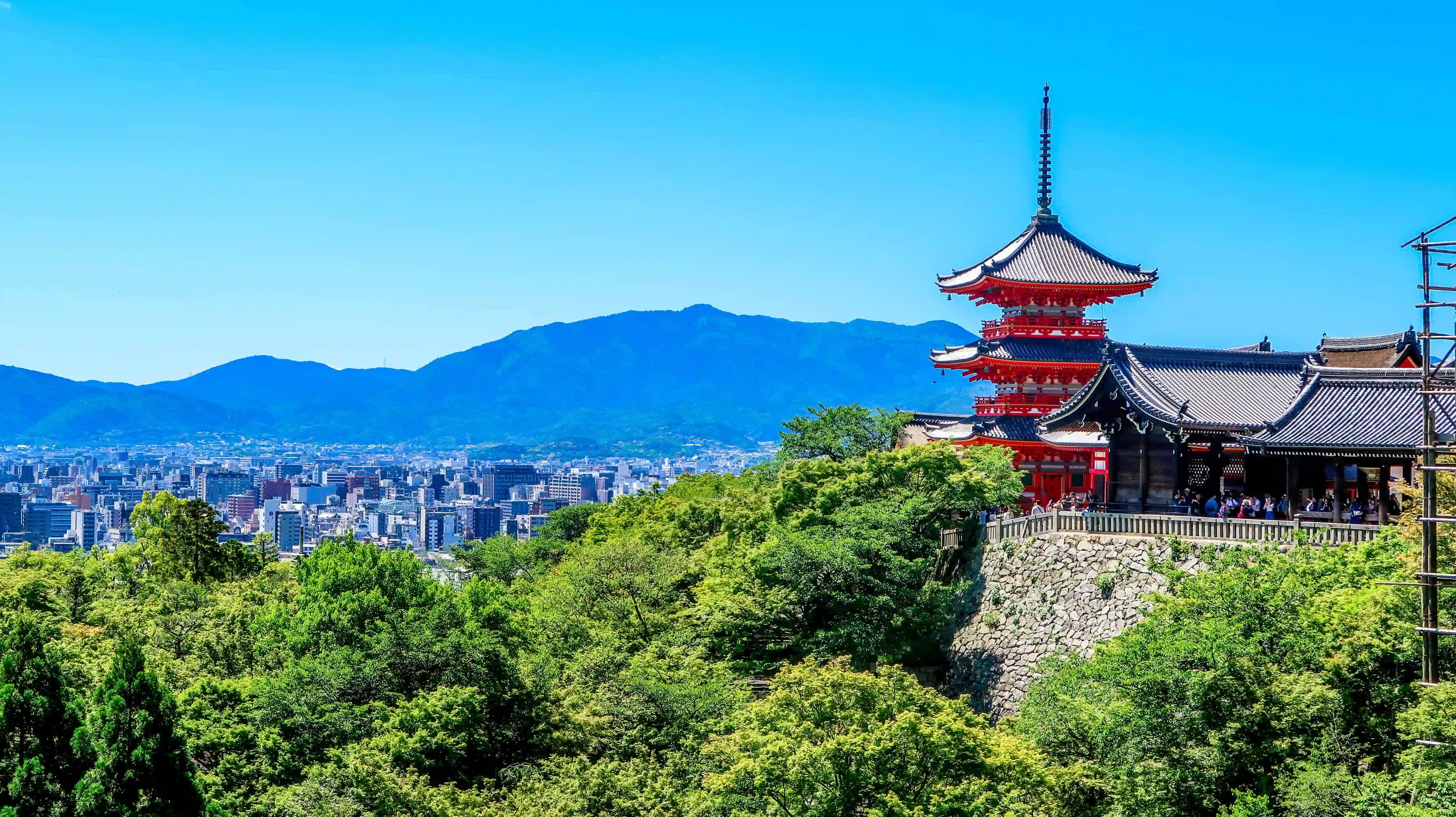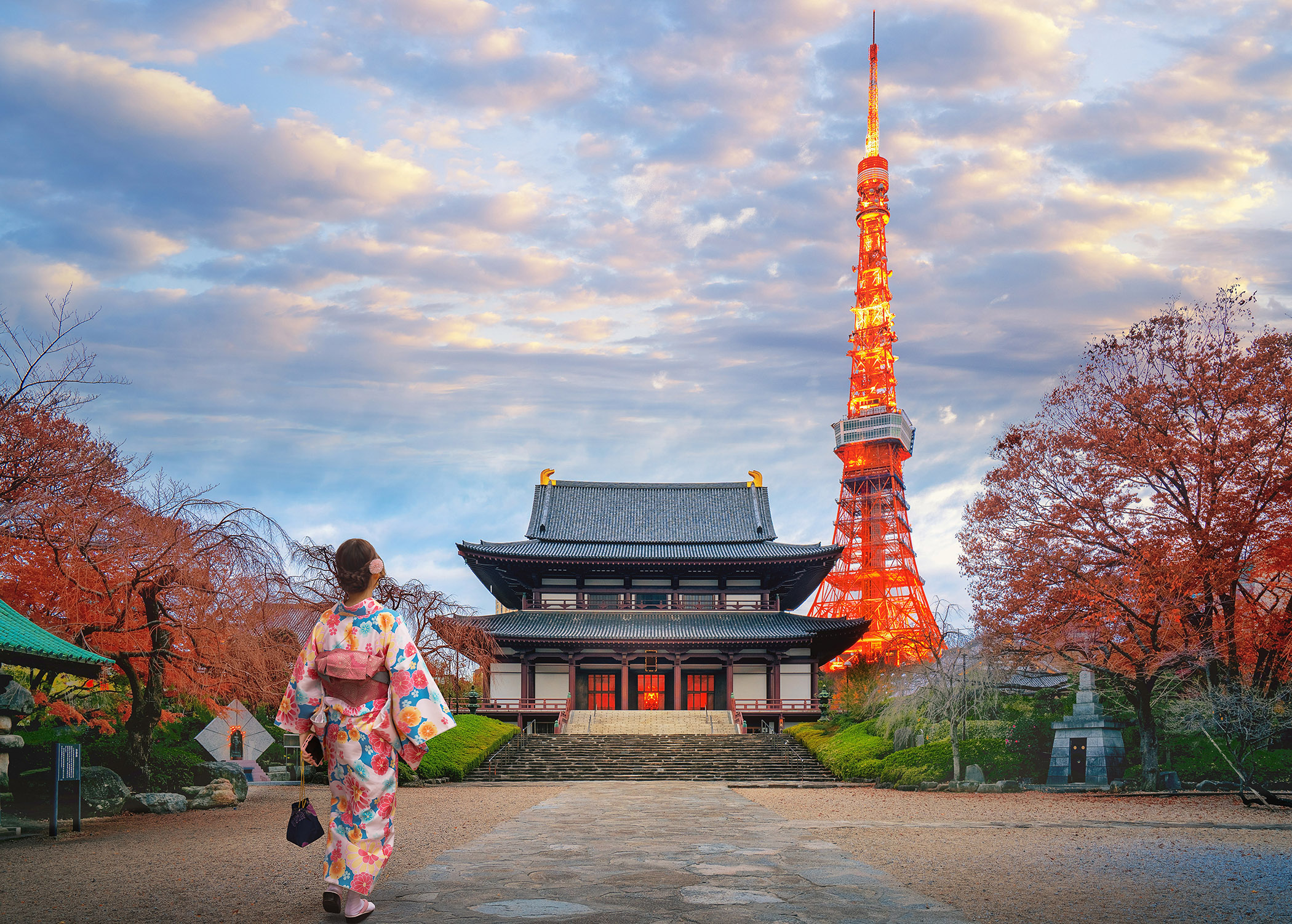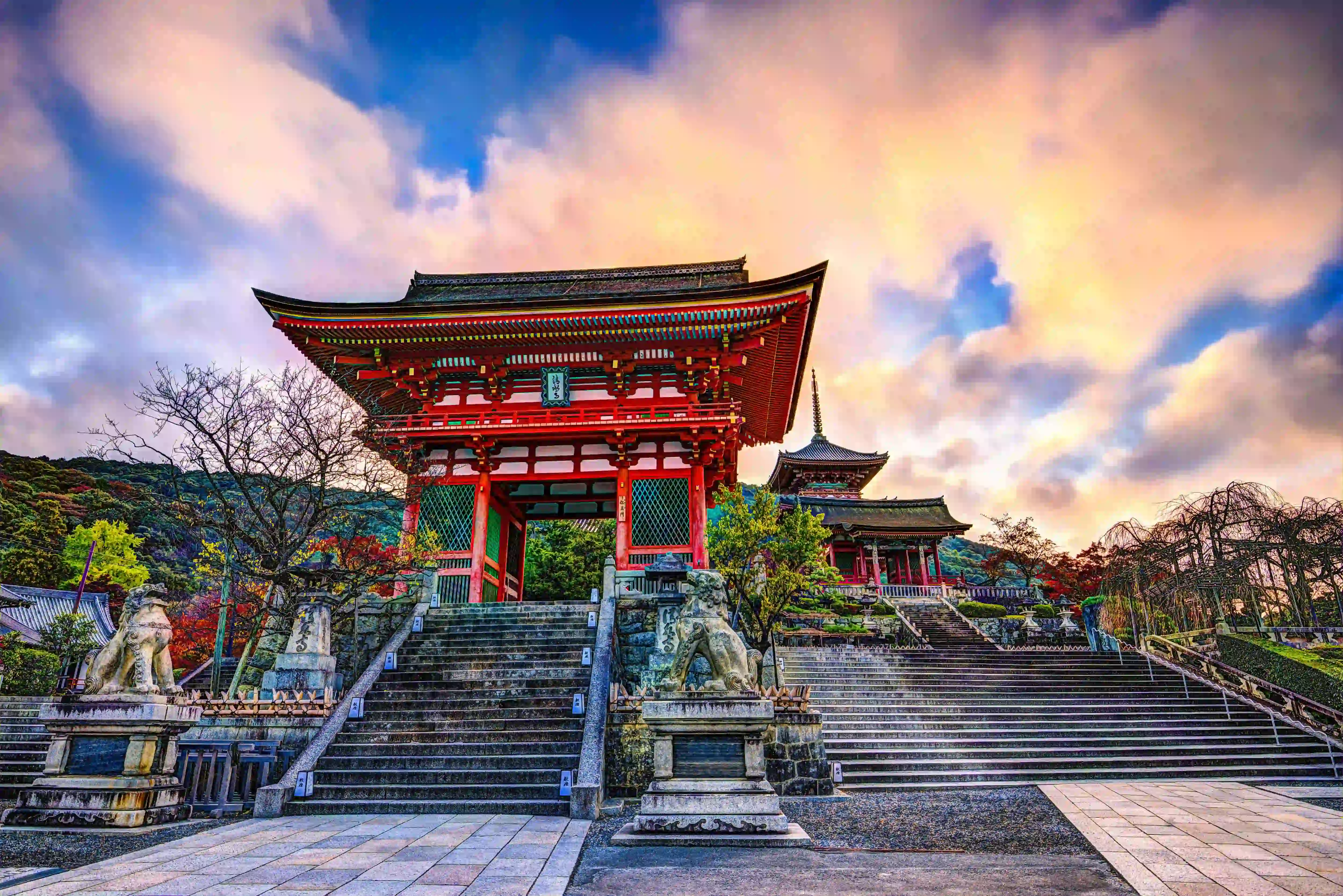

Japan is one of the easiest countries in the world to travel.
It is also one of the hardest to plan well.
Most travelers don't struggle with where to go. They struggle with how to put it together. Timing, pacing, neighborhoods, transportation, and hotel availability all matter more here than almost anywhere else.
If you get the structure right, Japan becomes one of the most seamless and rewarding trips you will ever take.
If you get it wrong, it can feel rushed, expensive, and overwhelming.
This guide gives you everything you need to plan Japan correctly from the start.
To plan a successful trip to Japan:
Most travelers should begin planning 6 to 12 months in advance, especially for peak seasons.
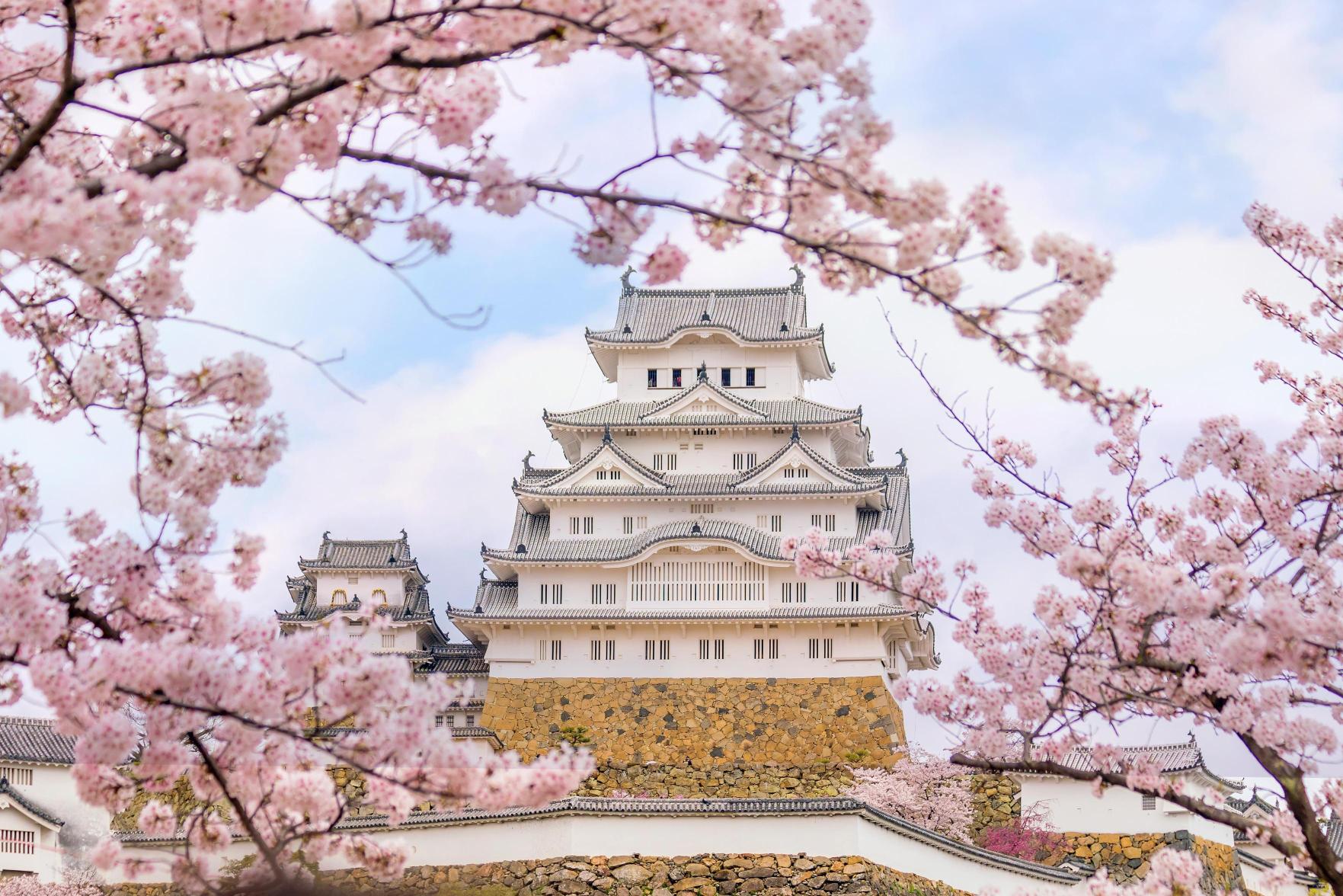
Sometimes seeing the journey is as important as reading about it. Watch this comprehensive guide to understand the flow, the feelings, and the logistics of a perfectly planned Japan trip.

Japan is not a plug-and-play destination.
Here's what makes it different:
Hotels in top areas sell out months in advance
The "right neighborhood" matters more than the hotel brand
Train routes require logical sequencing
Restaurants and experiences often need advance booking
Cultural pacing is very different from Europe or the U.S.
This is why Japan rewards travelers who plan intentionally.
Every Japan trip comes down to four core decisions:

Cherry blossoms and fall foliage drive demand, pricing, and availability.
Where you go and in what order determines how smooth your trip feels.
Land vs cruise, guided vs independent, fast-paced vs slow.
Your hotel level, guides, and experiences shape your overall cost.
If you get these four things right, everything else falls into place.

Japan changes dramatically by season.
Spring brings cherry blossoms, but also crowds and higher prices.
Fall offers similar beauty with better balance.
Summer is hot but culturally vibrant.
Winter is quiet and often overlooked.
Timing impacts:
Japan is not one price point.
It is a range.
Most travelers fall into:
per person
per person
Where your money goes:
Japan is a land-first destination.
For most first-time travelers, land travel delivers a significantly better experience.

This is where most trips succeed or fail.
A strong first-time itinerary includes:
for energy and contrast
for culture and history
for food and personality
like Hakone or Nara
The biggest mistake is trying to add too much.
Japan is not about how many places you visit. It is about how you move between them.
Most efficient routes follow:
This works because:
Breaking this flow usually creates unnecessary stress.
Trying to see too many cities
Moving hotels too often
Booking too late
Prioritizing convenience over experience
Not understanding pacing
These mistakes are why many trips feel rushed or disjointed.
Japan should feel intentional, not rushed.
The best trips:
The goal is not to see everything.
The goal is to experience it fully.
Japan is not just a list of sights.
It is:
Walking through Tokyo at night when the city comes alive
Quiet mornings in Kyoto before the crowds arrive
Finding incredible food in places you didn't plan
Moments between destinations that become the highlight
This is what most travelers miss when the itinerary is wrong.
Not slowing down.
Almost every traveler wishes they had:
Japan rewards patience.
Timing is the most critical factor in securing the best hotels and experiences in Japan.
Best for peak seasons
Ideal timing
Limited options
Waiting too long limits your hotel options and increases costs.
CEO, Trips & Ships Luxury Travel
Japan is one of the most complex destinations in the world to plan well. The difference between a good trip and an exceptional one comes down to structure, timing, and access.

Explore our comprehensive guides to plan your perfect Japan trip