What Is the Best African Safari for First Timers?
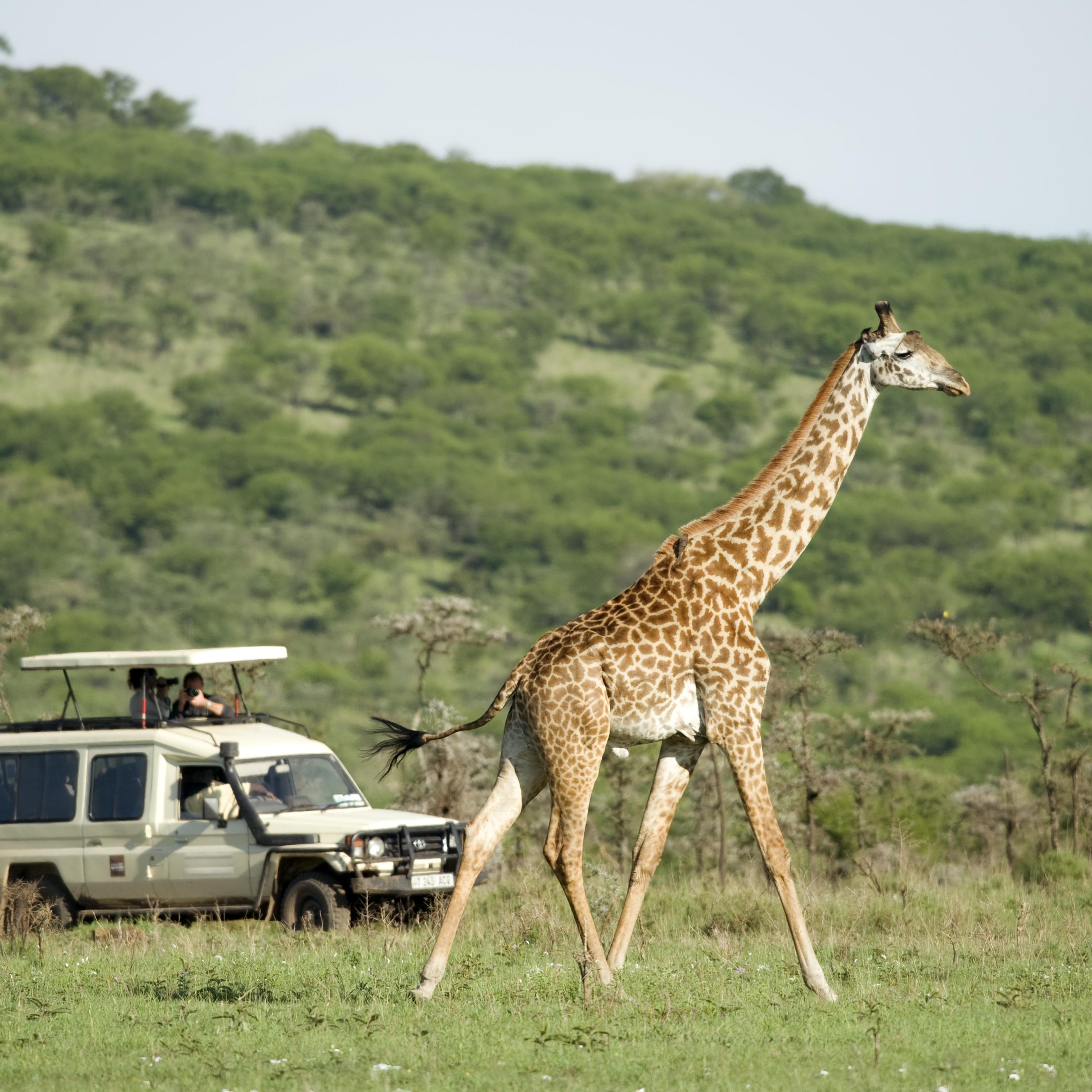
An African safari is more than a vacation. It is a lifetime dream. Imagine lions in golden grass, elephants near Kilimanjaro, and giraffes at sunset.
 Travel Weekly
 TravelPulse
 Insider Travel Report
 Travel Age WestTravel WeeklyTravelPulseInsider Travel ReportTravel Age West
Why Kenya and Tanzania Are the Best
African Safaris for First Timers
When travelers picture Africa, they are usually imagining East Africa.
Imagine the Serengeti plains, the Maasai Mara wildlife, and elephants near Kilimanjaro. Enjoy luxury tented camps and drinks at sunset.
Kenya and Tanzania offer a perfect mix of adventure, luxury, and great infrastructure.
Both destinations provide:
Exceptional wildlife viewing
The opportunity to see the Big Five
Luxury lodges and tented camps
Highly trained safari guides
Fly in safari options
Family friendly safaris
Luxury honeymoon experiences
Conservation focused travel
Extraordinary photography opportunities
Seamless safari extensions such as Zanzibar or Cape Town
For many travelers, East Africa becomes the safari that sparks a lifelong relationship with the continent.
Kenya vs Tanzania Safari for First Timers
One of the most common safari planning questions is whether Kenya or Tanzania is better for a first safari. The truth is that both are extraordinary, but they offer slightly different experiences.
Tanzania
Tanzania often feels more dramatic, expansive, and remote. It is home to some of the most iconic safari landscapes on earth including the Serengeti and Ngorongoro Crater. The Serengeti itself feels almost endless — during migration season, millions of wildebeest and zebra move across the plains in one of the greatest wildlife spectacles on earth.
Tanzania is often ideal for:
- Classic luxury safari experiences
- Great Migration safaris
- Ultra luxury tented camps
- Honeymoon safaris
- Safari and Zanzibar combinations
- Vast open landscapes
Kenya
Kenya often feels slightly more approachable for first time safari travelers while still offering extraordinary wildlife experiences and exceptional luxury camps. Kenya's private conservancies are one of the country's greatest strengths — providing fewer vehicles, more intimate wildlife encounters, walking safaris, and extraordinary guiding.
Kenya is particularly strong for:
- Family safaris
- First time safari travelers
- Conservancy safaris
- Photography safaris
- Cultural experiences with Maasai communities
- Highly personalized safari experiences
Kenya vs Tanzania Safari Comparison
| Feature | Kenya | Tanzania |
|---|---|---|
| Best For | Families, conservancies, photography | Migration, honeymoon, dramatic landscapes |
| Famous Parks | Maasai Mara, Amboseli, Lewa | Serengeti, Ngorongoro, Tarangire |
| Luxury Camps | Exceptional | Exceptional |
| Ease for First Timers | Excellent | Excellent |
| Great Migration | Excellent | Excellent |
| Safari + Beach Combinations | Strong | Outstanding with Zanzibar |
| Family Safaris | Outstanding | Very Strong |
| Photography | Excellent | Excellent |
| Fly In Safari Infrastructure | Strong | Strong |
| Wildlife Density | Extremely High | Extremely High |
What Animals Will You See on Your First Safari?
Most first time safari travelers hope to see the famous Big Five. But one of the greatest surprises is that safari is not only about predators.
The Big Five
Also Frequently Seen
Some of the most emotional moments happen quietly. Watching elephants move silently through the bush. Listening to lions roaring at night from your tented camp. Africa has a way of slowing people down.
How Much Does a Luxury African
Safari Cost?
One of the biggest misconceptions about safari is that there is one standard price.
In reality, luxury African safaris vary enormously depending on:
Premium Safari Experience
This level typically includes beautiful luxury tented camps or lodges, highly trained guides, game drives, most meals, and thoughtfully designed itineraries. For many first time safari travelers, this range provides an excellent balance between comfort, luxury, and value.
Luxury Safari Experience
This category often includes ultra luxury camps, fly in safaris, exceptional guiding, premium migration experiences, and highly personalized service. Many luxury honeymoon safaris and family safaris fall into this range.
Ultra Luxury Safari Experience
At the highest level, safaris become deeply customized and extraordinarily exclusive. These experiences may include private villas, private safari vehicles, helicopter transfers, private charters, elite guiding, and access to some of Africa’s most extraordinary camps and conservation experiences.
Why Are African Safaris So Expensive?
Luxury safaris operate in remote wilderness areas where nearly everything must be transported long distances including food, fuel, supplies, and staff support.
Safari pricing also includes:
Many luxury safari operators also invest heavily in local communities, schools, conservation initiatives, and anti poaching programs throughout East Africa. Your safari investment directly supports the preservation of these extraordinary ecosystems.
Experience the Magic of an African Safari
Watch this breathtaking showcase of East Africa's wildlife and landscapes to get a glimpse of what awaits you on your first luxury safari.
Common Mistakes First Time Safari Travelers Make
One of the biggest advantages of working with a safari specialist is avoiding common planning mistakes.
Trying to Visit Too Many Parks
Safari should not feel rushed. Spending fewer nights in too many locations often leaves travelers exhausted.
Booking Solely Based on Price
Not all safaris are created equally. Guiding quality, camp location, conservation models, and logistics vary enormously.
Choosing the Wrong Season
Migration timing, weather, crowd levels, and wildlife movement can dramatically impact the safari experience.
Underestimating Internal Flights
Africa is vast. Distances between parks are often much greater than travelers expect.
Ignoring Camp Style Differences
Some travelers prefer classic luxury tented camps while others prioritize air conditioning, pools, family accommodations, or modern design.
How Many Days Do You Need for a First Safari?
For most luxury safari travelers, spending at least 7 to 10 days in Africa is recommended, visiting 2 to 4 safari regions with at least three nights per camp whenever possible.
Popular Safari Extensions
Many travelers combine safari with:
These combinations create an incredible blend of adventure and recovery.
Why We Often Recommend Micato Safaris for First Time Safari Travelers
We recommend Micato Safaris for first-timers. They provide amazing service, clear logistics, and elite guides.
Micato removes the stress and uncertainty of planning a safari on your own.
Their trips are run perfectly. With top guides and custom setups, they stand apart.
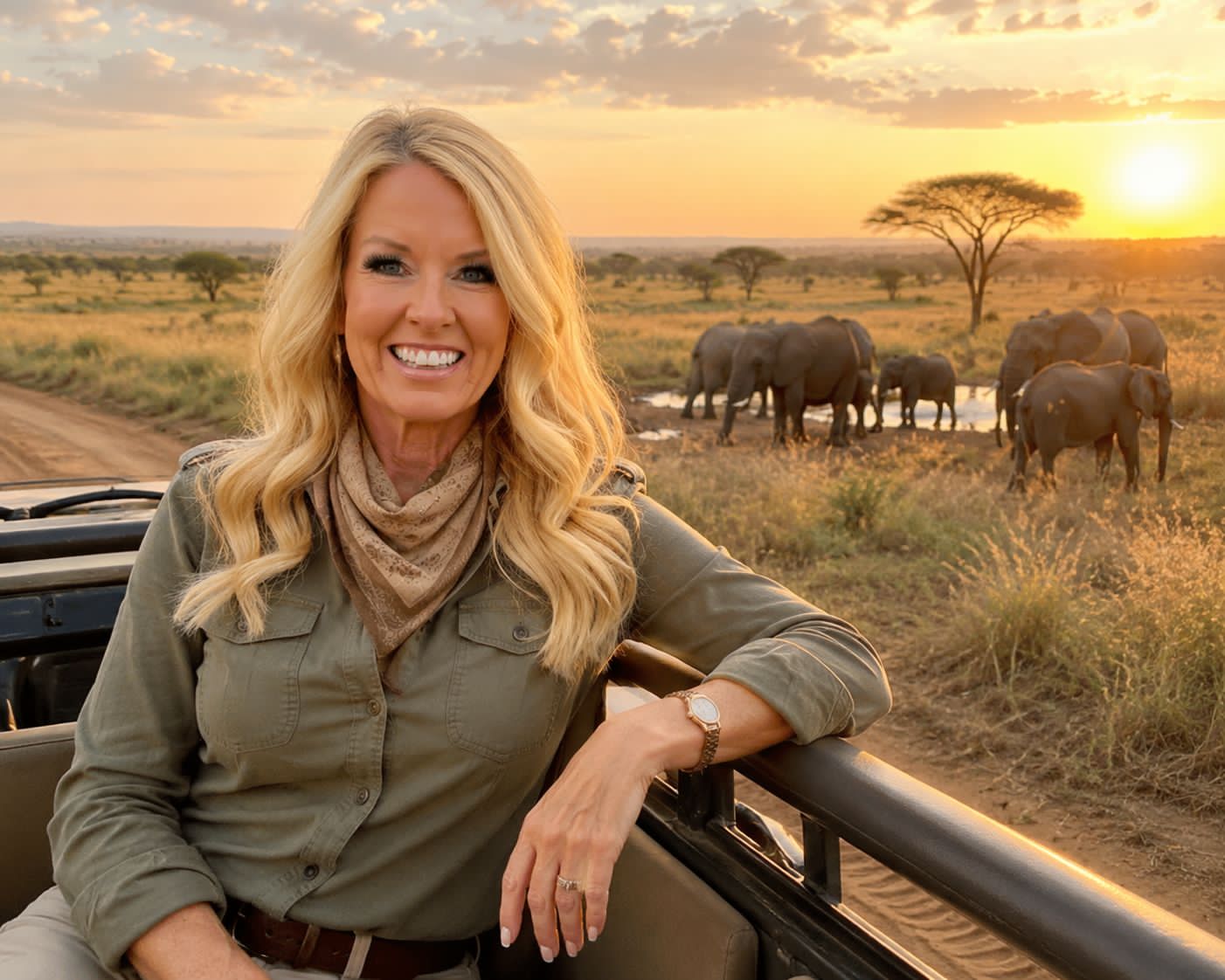
About Angela Hughes
Angela Hughes is the CEO of Trips & Ships. She has traveled to 121 countries and specializes in luxury safaris, cruises, and custom tours.
Angela was named Luxury Travel Influencer of the Year. She has been featured in major travel publications and the Wall Street Journal.
Angela also works on humanitarian projects in developing countries worldwide.
Should You Use a Safari Specialist?
Yes. Safaris are unique. Pacing, flights, camp selection, and guides matter. A good trip should feel seamless. Great planning makes the difference.
Frequently Asked Questions About First Time African Safaris
These are the most common questions we are asked when planning a first African safari.
Planning Your First African Safari
At Trips & Ships Luxury Travel, we help travelers design highly customized luxury safari experiences throughout East Africa including Kenya, Tanzania, Rwanda, Botswana, and beyond.
…our team works closely with trusted luxury safari partners to create personalized safari experiences tailored to each traveler’s goals, comfort level, and style of travel.
Best African Safari for First-Timers
Your first African safari is a dream trip. Choosing the right country helps you see the best wildlife in comfort.
Top Choices for First-Time Safari Travelers:
- South Africa:Best for malaria-free private reserves and Big Five game drives.
- Kenya & Tanzania:Famous for open savannas and the Great Migration.
Luxury lodges offer private guides, gourmet meals, and direct flight transfers.
At Trips & Ships Luxury Travel, our safari experts guide you every step of the way. Contact us to start planning.
Explore Cruise Brands & Destinations
Stay informed with our comprehensive guides, reviews, and comparisons of the world's finest cruise lines and luxury travel destinations.