National Geographic Family Expeditions
The complete guide to choosing the right National Geographic family expedition — built around your children's ages, your family's pace and the luxury you actually want.
Compare Family Journeys, Signature journeys and National Geographic-Lindblad expedition voyages, benchmark ten family destinations, understand the true cost of the trip, and plan with the confidence of a travel advisor who has spent more than 40 years designing luxury travel.
Three Very Different Products Share One Famous Name
When travelers search for National Geographic family expeditions, they are usually looking for several different kinds of travel at once, and the differences between them are considerable. National Geographic Family Journeys are designed specifically around families traveling with children, built for participation, curiosity and shared discovery on land.
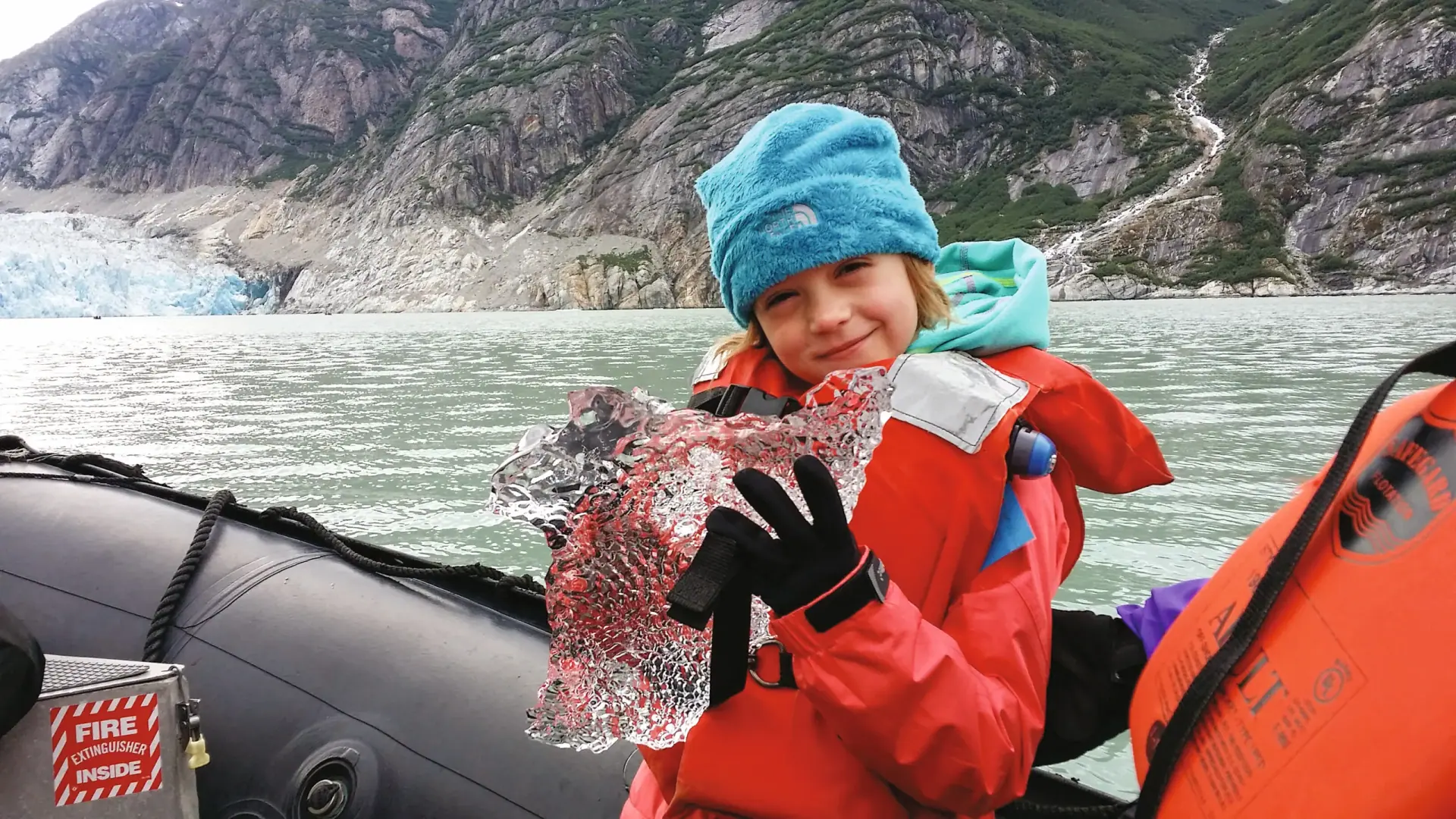
National Geographic Signature experiences take the same style of exploration and place greater weight on premium accommodations, privileged access and elevated service, which matters enormously to families who want educational travel without giving up comfort. National Geographic-Lindblad expeditions are a different proposition again: guests explore aboard purpose-built expedition vessels, using small boats and Zodiacs to reach wildlife and remote environments that land travelers never see.
Each format varies in group size, itinerary style, activity level, service and overall luxury, so the first decision is never really which destination. It is which experience fits the people traveling. Costa Rica, Peru, Japan, Egypt, Iceland, Mexico, Vietnam and Cambodia, Alaska, the Galápagos and Antarctica all reward families, but each one asks something different of your children, your parents and your standards.
At Trips & Ships Luxury Travel, we plan around the family rather than the brochure. With more than 40 years in the travel industry and firsthand experience across 121+ countries, Angela Hughes and our advisors match destination, itinerary, departure date, room configuration and activity level to the people in your family, then build the private transfers, extensions and quiet days that make an expedition feel effortless.

National Geographic Family Expeditions at a Glance
The essentials families ask us first, distilled from thousands of expedition planning conversations.
Every figure below is a planning guideline rather than a guarantee — individual itineraries differ considerably.
Land-based Family Journeys, premium Signature journeys and National Geographic-Lindblad expedition voyages, each with a different pace, price and comfort level.
Age guidance shifts by destination: Costa Rica and Mexico start at 7, while Vietnam, Cambodia and Antarctica suit older children and teenagers.
Smaller group sizes keep expedition days personal and let naturalists, photographers and local guides work directly with families instead of crowds.
Most family itineraries run about a week to ten days, with extra days added for jet-lag recovery, private touring and a luxury extension.
The expedition price is only line one. Flights, pre-trip hotels, transfers, insurance, meals not included, optional activities and extensions complete the real budget.
The strongest luxury family trips pair an active expedition with a restorative beach, lodge or city stay before or after, so nobody spends every day in motion.
National Geographic Family Journeys vs. Signature vs. Lindblad Expeditions
| Consideration | Family Journeys | Signature Journeys | Lindblad Expeditions |
|---|---|---|---|
| Travel style | Land-based guided journey | Land-based premium journey | Expedition cruise by ship |
| Accommodation | Hotels and lodges | Premium hotels and upgraded rooms | Purpose-built expedition vessel |
| Family-focused design | Built around ages 7 to 17 | Flexible for families wanting more comfort | Selected family departure dates |
| Wildlife focus | Destination dependent | Destination dependent | Often central to every day |
| Culture and history | Strong | Strong with elevated access | Varies by region |
| Remote exploration | Moderate | Moderate | High, with Zodiacs and landings |
| Unpack once | No, regular hotel changes | No, regular hotel changes | Yes, the ship moves for you |
| Naturalists and guides | Destination dependent | Destination dependent | A core feature of the voyage |
| Activity level | Moderate | Light to moderate | Moderate to active |
| Multigenerational appeal | Strong | Very strong | Very strong |
| Luxury experience | Comfortable and well organized | Elevated rooms, service and dining | Varies significantly by vessel |
| Best for | Cultural and adventure families | Families who want discovery without giving up comfort | Wildlife, water and exploration families |
Best Destinations for Families: Lindblad Expeditions
From the morning briefing to the evening recap, see how families actually move through an expedition day — the guiding, the wildlife time, the meals and the downtime in between.
What Makes a National Geographic Family Expedition Different
Exploration
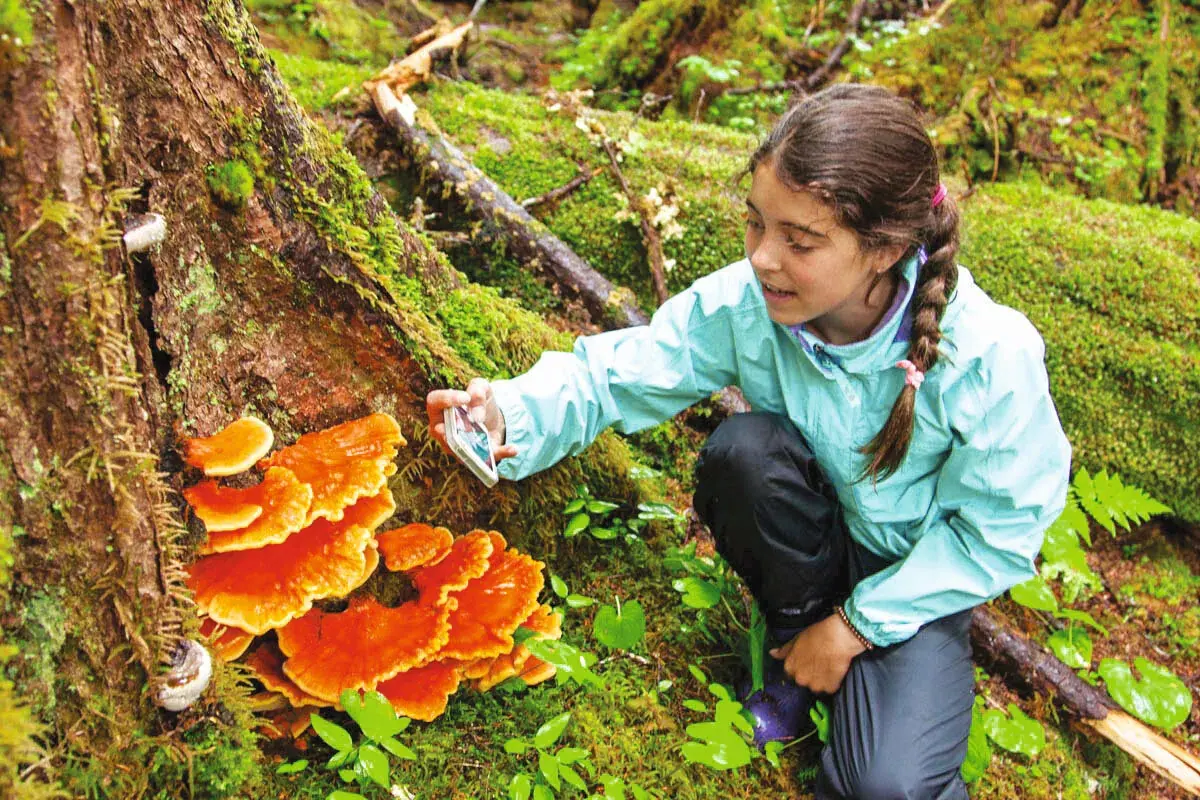
Families are not simply observing a destination, they are actively discovering it. Routes, landings and field time are built around the idea that travel should feel like investigation rather than sightseeing.
Education
Geography, wildlife, conservation, history and culture become part of the journey itself, which is why children come home able to explain what they saw instead of only remembering a hotel pool.
Expert Interpretation
Naturalists, photographers, conservationists and local specialists translate what the family is seeing in real time, turning a sighting into a story that teenagers and grandparents both follow.
Small-Group Interaction
Smaller groups create a more personal experience than conventional large-scale tourism, so children get direct access to guides and families are not lost inside a crowd.
Family Participation
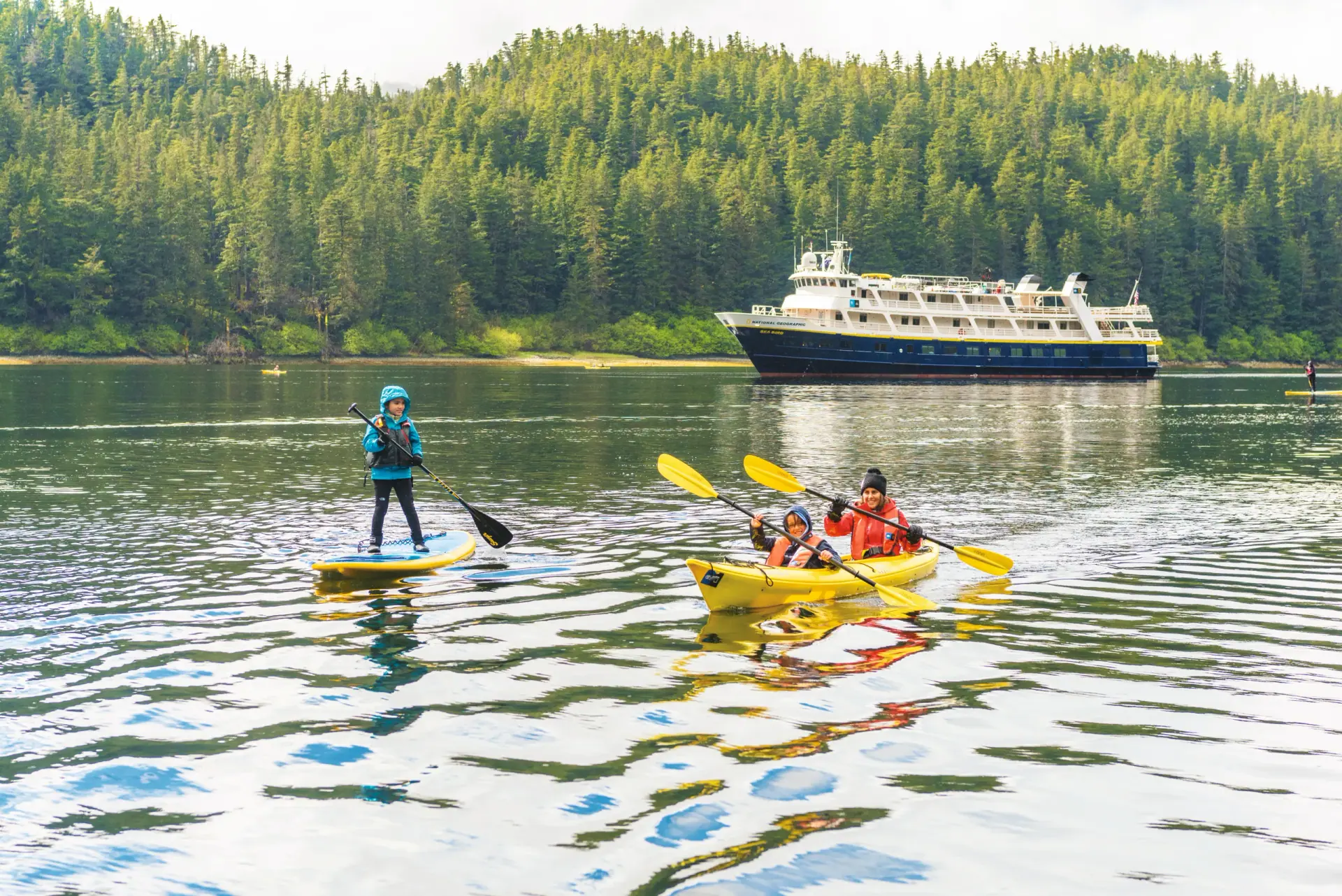
Children are not merely accompanying their parents, they become part of the experience. They help spot wildlife, ask the guides questions and contribute to the day rather than trailing behind it.
Storytelling
Every expedition is designed to produce a story your family keeps telling years later, which is a far better measure of a trip than the number of attractions visited.
National Geographic Family Expedition Destination Comparison
| Destination | Best For | Ideal Age | Activity | Luxury Potential |
|---|---|---|---|---|
| Costa Rica | Wildlife and rainforest | 7 to 14 | Moderate | High |
| Peru | History and archaeology | 9 to 17 | Moderate | High |
| Japan | Culture and food | 8 to 17 | Light to moderate | Very high |
| Egypt | Ancient history | 9 to 17 | Moderate | Very high |
| Iceland | Nature and geology | 8 to 17 | Moderate | High |
| Mexico | Culture and adventure | 7 to 15 | Light to moderate | Very high |
| Vietnam and Cambodia | Cultural immersion | 10 to 17 | Moderate | High |
| Alaska | Wildlife and expedition | 8 to 17 | Moderate | Very high |
| Galápagos | Wildlife and science | 8 to 17 | Moderate | Very high |
| Antarctica | Polar exploration | Older children and teens | Moderate to active | Very high |
Which National Geographic Family Expedition Fits Your Child?
Ages 7 to 9: The Curious Beginner
Young children respond best to experiences that are visual, hands-on and short enough to stay interesting. The ideal itinerary gives them animals, water, sand and simple discovery without long travel days, high altitude or an unrelenting schedule.
You Enjoy:
- •Seeing animals in the wild for the first time
- •Short, guided walks with something to find
- •Beach, river or rainforest time built into the day
- •An early enough finish for a normal bedtime
Recommended For You:
Ages 10 to 13: The Capable Explorer
This is often the ideal window for expedition travel. Children at this stage can appreciate both the adventure and the educational component, and they have the stamina for real activity days while still being genuinely excited by what they are learning.
You Enjoy:
- •Kayaking, snorkelling, hiking and cycling days
- •Archaeological sites that answer real questions
- •Wildlife encounters they can photograph themselves
- •A guide who takes their questions seriously
Recommended For You:
Ages 14 to 17: The Teen With a Purpose
Teenagers benefit from being given a role rather than a timetable. Ask them to investigate something specific — photograph the wildlife, research the history, plan one family meal or interview a guide — and the trip becomes something they participate in rather than follow.
You Enjoy:
- •A project, journal or photo series of their own
- •Real adventure: active landings, cold water, long light
- •Autonomy within the day's programme
- •Culture and food they would choose themselves
Recommended For You:
Multigenerational: Three Generations, One Itinerary
An itinerary that works for everyone is a different planning problem altogether. Daily walking distance, transfer length, altitude, climate, room configuration, medical access and honest downtime matter more than the headline experiences on the page.
You Enjoy:
- •Short transfers and one comfortable base where possible
- •Flexible daily activity levels so nobody is excluded
- •Connecting rooms or adjacent cabins for everyone
- •Built-in recovery time between big excursion days
Recommended For You:
Multigenerational Planning: The Four Things That Decide the Itinerary
Activity and Pacing
- How far does the family walk each day?
- Are there archaeological sites with difficult access, stairs or uneven ground?
- Can everyone comfortably handle the climate and the season?
- Will altitude affect grandparents or younger travelers?
- Is there enough downtime between big excursion days?
Transportation
- How long are the road transfers between stops?
- How many internal flights does the route require?
- Are departures early enough to be punishing for children?
- Can private transfers keep the family together on arrival?
- Is there a realistic buffer if a connection is missed?
Accommodation
- Can everyone stay close together without sacrificing privacy?
- Are connecting rooms, family rooms or suites genuinely available?
- Do cabin configurations work on expedition ships?
- Are bed configurations and storage suitable for four in one room?
- Is elevator access available where grandparents need it?
Medical Access and Meals
- How remote is the destination, and what are the evacuation provisions?
- What are the emergency procedures and nearest medical facilities?
- Can meals accommodate dietary requirements across three generations?
- Are medication rules and vaccination requirements understood in advance?
- Is travel insurance appropriate for every traveler's age?
How Much Does a National Geographic Family Expedition Cost?
There is no single price, because National Geographic family travel encompasses several different types of journey. The more useful question is not what the trip costs, but what the total trip actually includes once every layer of the travel ecosystem is accounted for.
The Eight Budget Categories Families Should Plan For
| Budget Category | What It Covers | Priority |
|---|---|---|
| 1. Expedition or Tour | The headline journey price: accommodation, scheduled transportation, selected meals, activities and expedition leaders | Starting point |
| 2. International Airfare | Long-haul flights for every traveler, which can become a substantial share of the total for four people in premium cabins | Book early |
| 3. Pre-Trip Hotel | A gateway night for jet-lag recovery, a buffer against flight disruption and time to explore the arrival city | Essential |
| 4. Private Transfers | Airport meet-and-greet, luggage handling and door-to-door transfers with tired children, grandparents and car seats | Essential |
| 5. Travel Insurance | Trip cancellation, interruption, medical emergencies, evacuation, delays, lost luggage and missed connections | Non-negotiable |
| 6. Optional Activities | Experiences outside the included programme: private guides, special excursions, celebrations and add-on touring | Be selective |
| 7. Gratuities | Guide, crew and driver gratuities, whose policies vary by operator and region | Check policy |
| 8. Luxury Extensions | Pre- and post-expedition resorts, villas, private touring, beach days and premium room upgrades | Flexible |
The True Trip Investment Formula
A far better way to evaluate family travel than comparing advertised prices alone.
Expedition Cost
The advertised price of the journey itself, and only the starting point of the budget.
Plus Flights
International and internal airfare for every member of the family.
Plus Pre-Trip Stay
Gateway hotel nights that absorb jet lag and flight disruption before departure.
Plus Transfers
Private ground transportation on arrival and departure, plus any touring transfers.
Plus Insurance
Comprehensive travel and medical cover appropriate to every traveler's age.
Plus Meals Not Included
Any meals that sit outside the itinerary, particularly on arrival and departure days.
Plus Optional Activities
The experiences you choose to add rather than everything the operator offers.
Plus Post-Trip Extension
Beach, lodge, villa or city days that turn the expedition into a complete vacation.
Plus Gratuities
Guides, crew and drivers, according to each operator's current policy.
Equals True Trip Investment
The only figure worth comparing across destinations, operators and departure dates.
From Rainforest to Reef: What Families Experience in the Field
Wildlife encounters, guided field sessions, family snorkeling and honest downtime — a look at the rhythm of a family expedition day in the Galápagos and beyond.
The Best Booking Strategy for Families
Stop asking how early to book. Ask which elements of your trip cannot be compromised, then build the calendar backwards from them.
Lock the Non-Negotiables
School holidays, a specific ship, connecting cabins or a particular hotel decide far more than the destination does. Families with school-age children have a limited calendar, which makes popular departures genuinely competitive.
- Confirm which travel dates are genuinely fixed
- Identify the room or cabin configuration you need
- Decide whether a specific vessel or property matters
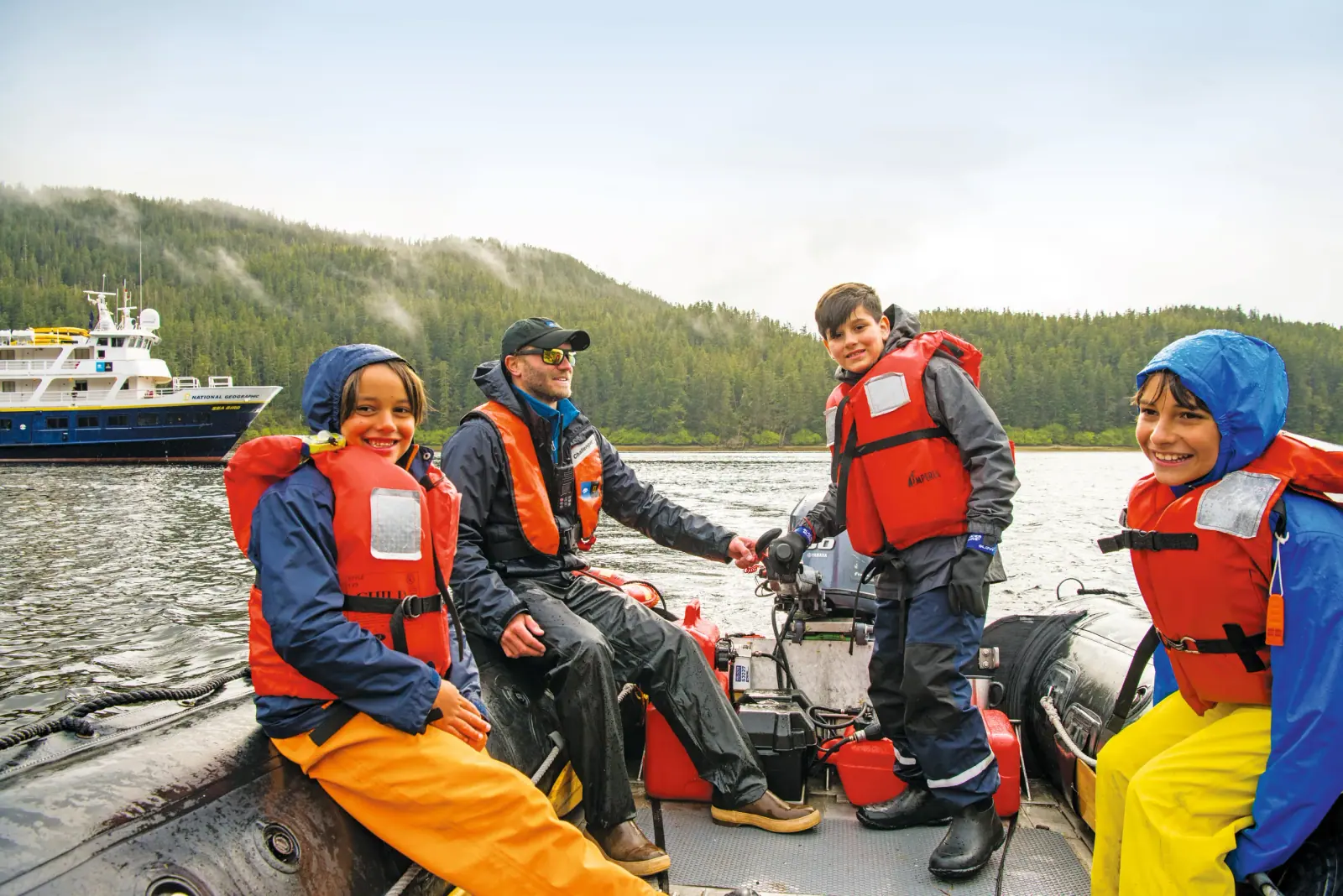
Secure Rooms, Cabins and Flights
Once the date and configuration are set, secure the accommodation first and then position flights around it. For four travelers, business or premium economy availability is the constraint that disappears fastest.
- Book connecting rooms, family suites or multiple cabins
- Position flights with a sensible arrival buffer
- Confirm the youngest traveler meets the itinerary age requirement
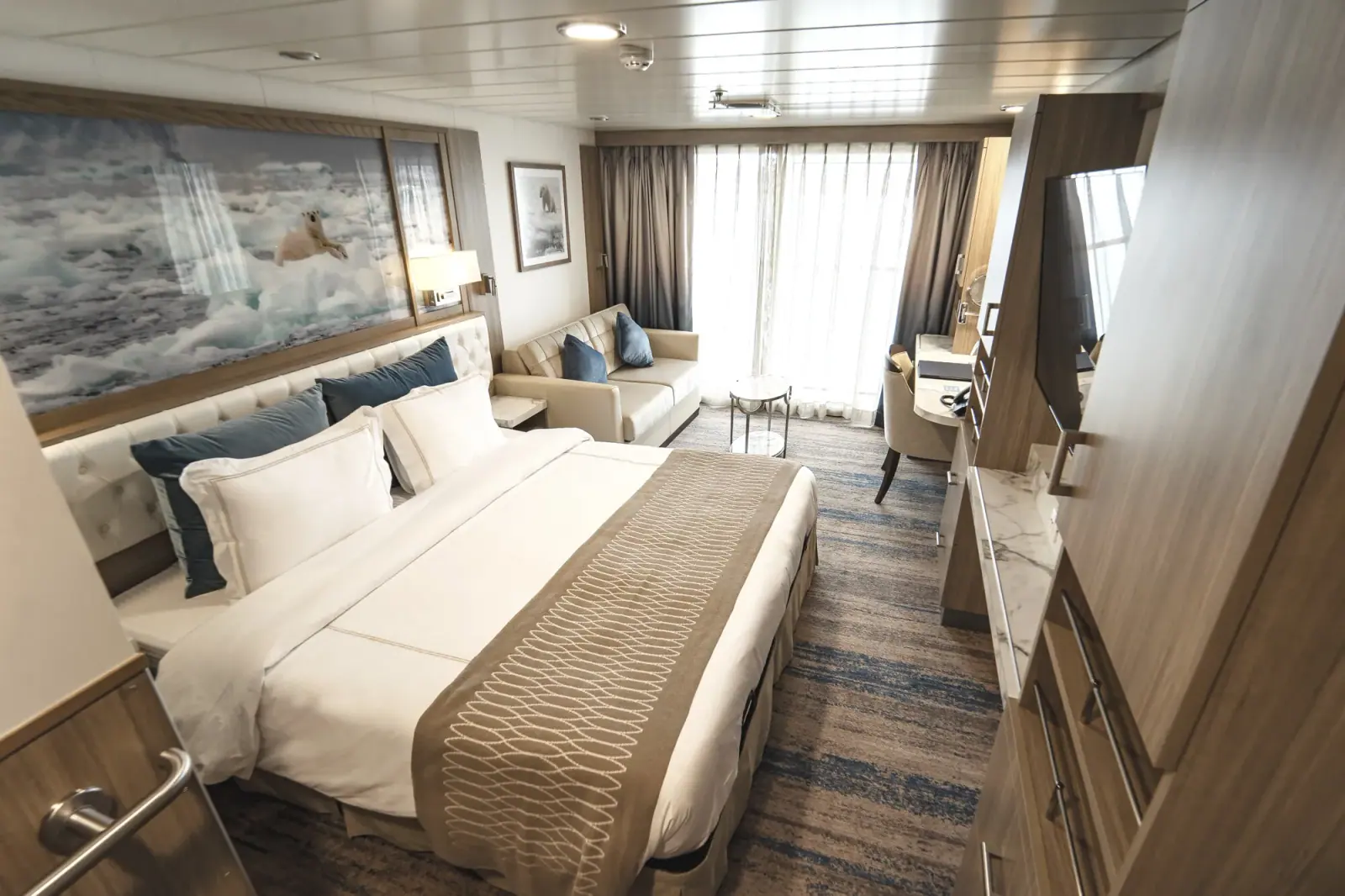
Design the Extensions
The pre-trip hotel night, the private transfer and the post-expedition resort are what convert an adventure into a luxury vacation. This is also when private guiding and special family dinners are arranged.
- Add a luxury hotel, lodge or beach resort before or after
- Arrange private airport transfers and sightseeing
- Reserve the experiences that require limited availability
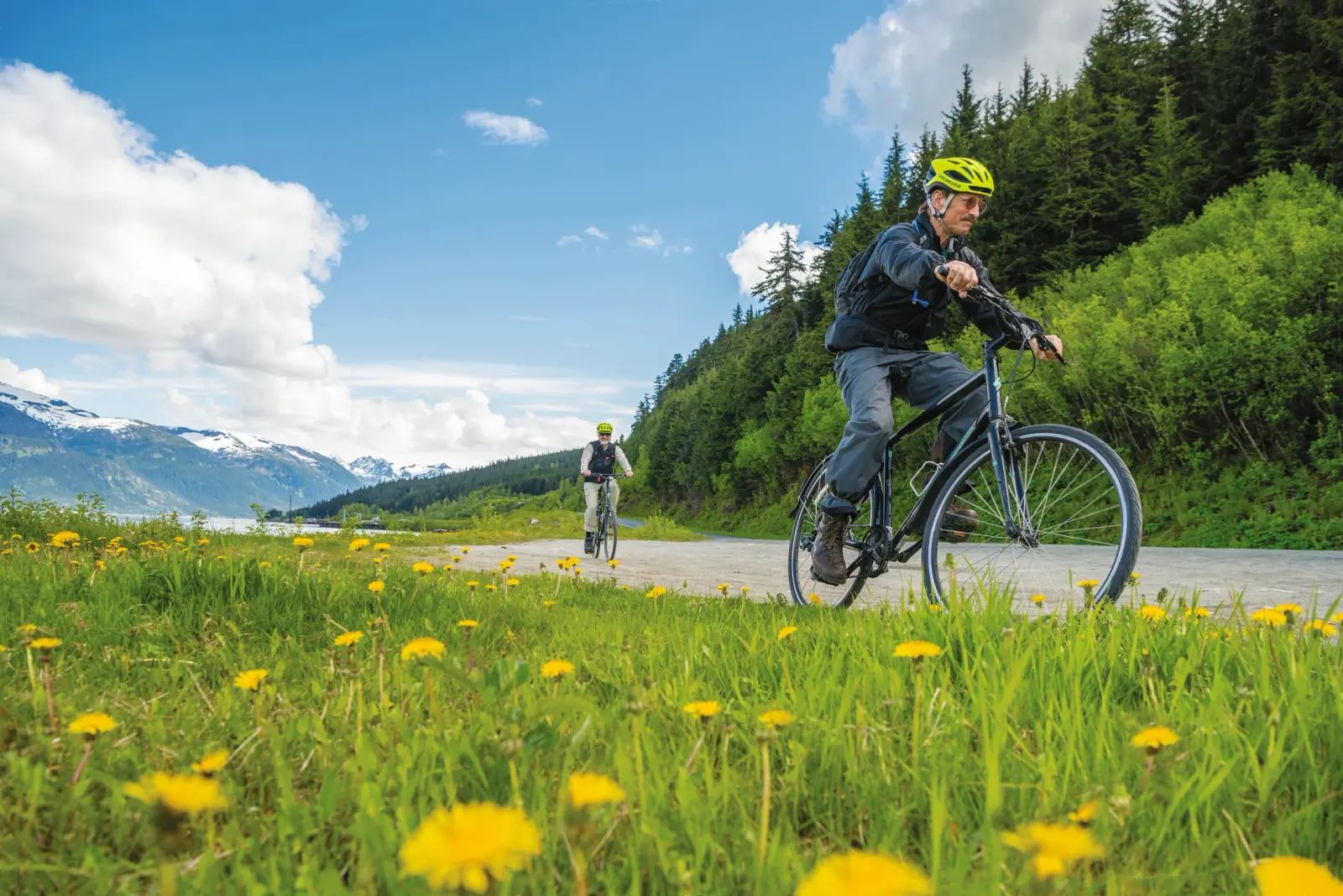
Prepare the Family
Health requirements, packing, insurance and expectations should all be settled well before departure. Give teenagers a purpose and give younger children a preview so the trip feels like theirs.
- Review medical, vaccination and insurance requirements
- Read about the destination together as a family
- Agree how phones and devices will be used on the trip
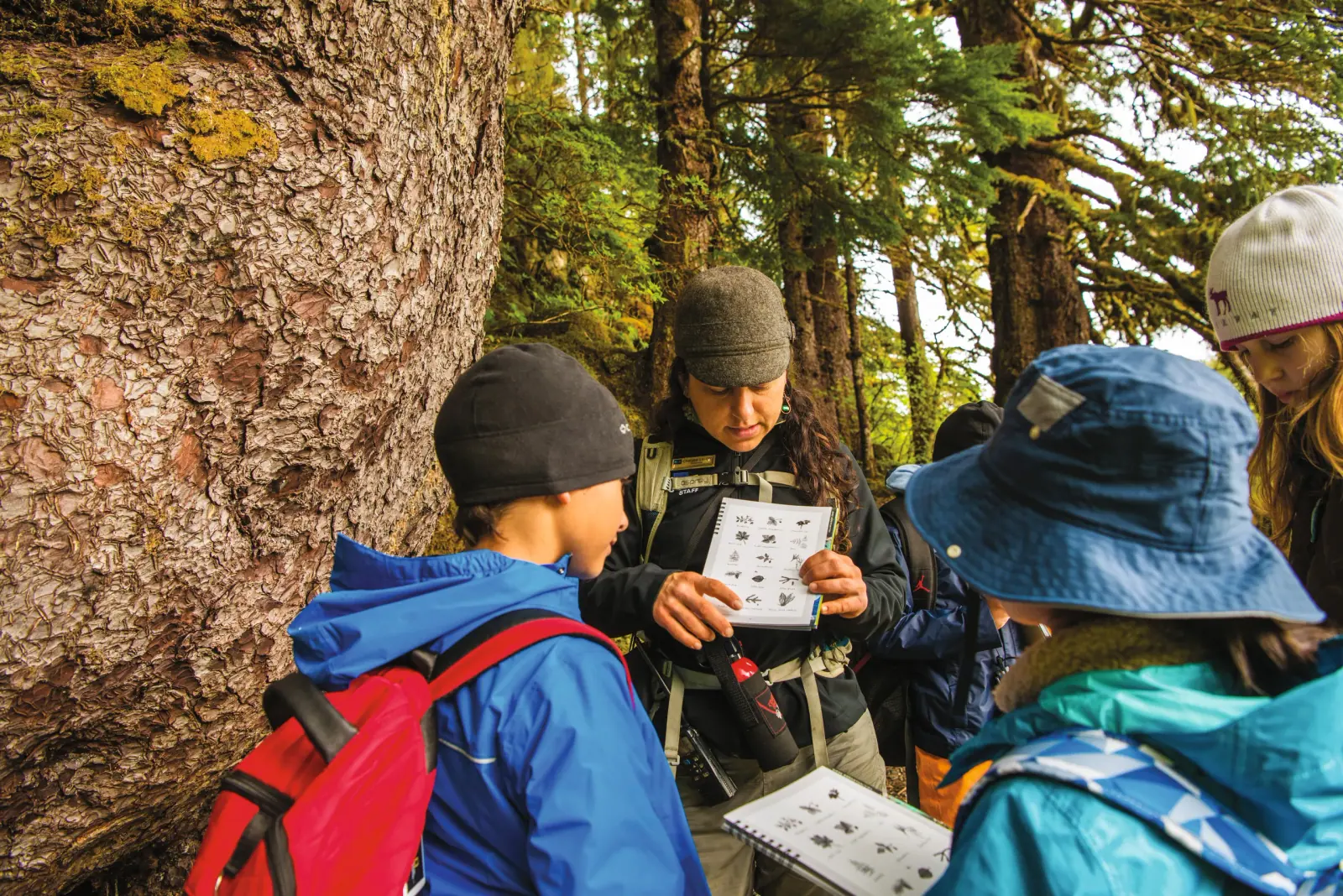
Final Confirmations
Reconfirm transfers, dietary requirements, activity levels and gratuity policies with current official guidance, then let go of the logistics so the family can simply travel.
- Reconfirm all transfers and special requests
- Check the latest weather and seasonal guidance
- Share emergency contacts and itinerary details with the family
National Geographic Family Expedition Red Flags
An itinerary deserves additional scrutiny if any of these are true. Each one is easy to miss when the destination looks spectacular online.
FIT
The Activity Level Does Not Match Your Family
A moderate rating means something different to a family that hikes every weekend and a family whose children have never carried a daypack. If the stated level is vague, it is probably optimistic.
RANGE
One Traveler Is Being Stretched or Overlooked
The youngest traveler is being pushed too far, or the oldest is being quietly excluded from the more demanding days. Mixed-ability itineraries hide this problem until you are already there.
LOGISTICS
Transfers Are Unnecessarily Complicated
Multiple internal flights, long road transfers and tight connections erode a family holiday faster than any disappointing excursion, particularly with grandparents and young children in the group.
RECOVERY
There Is Insufficient Downtime
Itineraries that maximize every day look efficient on paper and exhaust children by day four. Children do not measure a vacation by the number of attractions visited.
ROOMS
Cabin or Room Configuration Has Not Been Reviewed
A standard room can technically hold four people without being comfortable for four people, and family-friendly does not automatically mean the configuration your family needs.
ASSUMPTIONS
You Assume Every Activity Is Optional
Some programmes include fixed departures and mandatory briefings. If nobody has confirmed which experiences can be skipped, you may be committing a teenager to a day they will not enjoy.
FLIGHTS
Flights Leave No Buffer Around the Expedition
A same-day connection to embarkation puts the entire trip at risk from one delayed flight, and parents rarely consider how brutal a long-haul arrival feels before a full excursion day.
DETAILS
Dietary Requirements and Jet Lag Are Ignored
Meal preferences, medication rules and time-zone recovery are the details that quietly ruin otherwise excellent trips, and they are usually the last thing anyone discusses.
MOTIVATION
You Are Choosing Itinerary Popularity, Not Fit
A famous route that does not match your family's interests will disappoint, and popularity usually means peak-season pricing and crowded attractions on top of that.
What to Pack, How to Stay Safe, and When to Put the Phones Away
Clothing and footwear
- Comfortable walking shoes already broken in
- Lightweight layers for changing conditions
- Weather-appropriate outerwear for the season
- Sun protection: hat, sunglasses and sunscreen
- Comfortable casual clothing and swimwear where appropriate
Family essentials and technology
- Reusable water bottles and a small daypack each
- Personal medications plus a basic first-aid supply
- Phones, chargers, power adapters and a portable battery
- A camera worth carrying, or a phone with real storage
- Copies of documents, insurance details and emergency contacts
Expedition-specific gear
- Binoculars for wildlife and birding time
- Waterproof jacket and a waterproof bag for gear
- Insect protection for tropical and forest itineraries
- Warm layers, gloves and waterproof footwear for polar routes
- Any specialist hiking equipment the operator does not supply
Health, safety and preparation
- Confirm emergency procedures, medical access and evacuation provisions
- Review medication rules and vaccination requirements in advance
- Choose travel insurance covering medical care and evacuation
- Discuss device rules so everyone stays present during key moments
- Pack destination-specific rather than generically, and do not overpack
Pair the Expedition With a Luxury Extension
Luxury does not mean eliminating adventure. Some of the world's most memorable family experiences involve getting a long way from conventional luxury, and the strongest trips combine exploration, education, comfort, culture, wildlife and family connection rather than choosing between them.
What luxury really buys a family is exceptional access, expert guidance, seamless logistics, thoughtful accommodation, private transfers, well-planned pacing, the right room configuration and a trusted advisor available when plans change. Above all, it buys the freedom to focus on each other instead of the logistics.
The most reliable way to achieve that is the expedition-plus-extension strategy. Travel to Costa Rica and finish at a luxury Pacific beach resort; take the Machu Picchu journey and retreat to a Sacred Valley property; pair a Japan family journey with a Kyoto ryokan; follow an Alaska expedition with a wilderness lodge; combine Egypt with an upscale Nile experience.
Before the expedition, add a luxury city hotel, a private airport transfer, private sightseeing and a night or two of genuine jet-lag recovery. During it, prioritize the right room configuration, an appropriate activity level, private transfers where possible and only the optional experiences that matter to your family. After it, add a beach resort, a private villa, a spa stay or several days of unstructured relaxation.
Handled this way, an adventure-focused journey becomes a complete luxury vacation, and the family comes home with the story they will keep telling for years.

ANGELA HUGHES' PERSPECTIVE
— Angela Hughes, CEO, Trips & Ships Luxury Travel
Angela Hughes Authority & Credentials
Greece Luxury Travel Specialist & CEO, Trips & Ships Luxury Travel
Angela Hughes
Angela Hughes, CEO of Trips & Ships Luxury Travel and Founder of Luxury Travel University, has spent more than 40 years in the travel industry with firsthand experience across 121+ countries. She is a global luxury travel speaker and trainer, a weekly industry columnist, a Travel Leaders Network Advisory Board member, the 2024 Luxury Travel Influencer of the Year by Travel Leaders Network and a 2026 TravelPulse Most Influential Women in Travel honoree.
Booking an expedition is only one part of the journey. We help families decide which destination, format, departure, accommodation and activity level actually fit, then coordinate flights, transfers, private touring, extensions and the quiet days in between so the entire experience feels seamless from the first conversation to the flight home.
KEY QUALIFICATIONS & ACHIEVEMENTS
- Over 4 decades designing luxury travel experiences
- Explored 121+ countries across seven continents
- Specialists in multigenerational and family expedition travel
- 2024 Luxury Travel Influencer of the Year, Travel Leaders Network
- 2026 TravelPulse Most Influential Women in Travel honoree
- Travel Leaders Network Advisory Board member and industry columnist
- Preferred relationships with expedition operators and guides
- End-to-end support: flights, transfers, extensions and changes in the field
Frequently Asked Questions
A National Geographic family expedition is an organized trip built around exploration, wildlife, culture and learning rather than simple relaxation. Depending on the format, families travel overland through hotels and lodges or aboard a purpose-built expedition vessel with naturalists, photographers and local guides. National Geographic family travel spans three main products: land-based Family Journeys, more premium Signature journeys, and National Geographic-Lindblad expedition voyages.
Family Journeys are land-based itineraries designed specifically around children aged approximately 7 to 17, using hotels, lodges and guided activities. Signature journeys keep the National Geographic style of exploration but lean harder into premium accommodations, access and elevated service. National Geographic-Lindblad expeditions are true expedition cruises where you unpack once, move by ship and reach remote wildlife environments by Zodiac.
Current Family Journey information is designed around children approximately 7 to 17 years old, although each itinerary carries its own guidance and some destinations suit older children better. Costa Rica and Mexico tend to work from age 7, while Peru, Egypt, Vietnam and Antarctica are generally better from 9 or 10 upward. A child's personality, fitness and travel experience matter just as much as the number on the invitation.
Costa Rica and Mexico are usually the strongest first expedition destinations because they combine wildlife, culture and adventure with familiar comforts, manageable travel times and a lower age floor of 7. Japan and Iceland are excellent second trips when the family is comfortable with longer travel days or changeable weather. Families who are already expedition-minded often start with Alaska or the Galápagos.
It depends on which National Geographic travel experience you choose, because the brand covers several very different formats. A Family Journey is designed around participation and exploration, a Signature journey offers a more elevated premium experience, and expedition vessels vary enormously in suite category, service and dining. For families, luxury usually means the right room configuration, private transfers, expert guides, good pacing and an advisor who handles the logistics.
There is no single price because destination, trip length, departure date, accommodation category, traveler count, cabin or room configuration and season all change the number. The headline journey price is only the first of eight budget categories: international airfare, a pre-trip hotel, private transfers, travel insurance, optional activities, gratuities and luxury extensions all sit outside it. The most useful figure is the true trip investment rather than the advertised price.
Current Family Journey information can include accommodation, scheduled transportation, selected meals, activities, arrival transfers, expedition leaders and family-specific experiences. International airfare, travel insurance, gratuities, optional excursions, certain meals, personal purchases and additional hotel nights are commonly separate. Inclusions change by itinerary, so the current trip details should always be read before a final decision.
For school holidays, summer, Christmas and New Year departures, earlier planning is almost always advantageous because families with school-age children have a very limited calendar. Connecting rooms, multiple cabins, a specific ship or a particular hotel are all reasons to book early, since those elements sell out first. If your priority is simply any available family adventure, you have far more flexibility on dates.
Often, yes, because a small expedition ship removes the repeated hotel changes that wear grandparents and younger children down. You unpack once while the destination changes around you, and the ship provides a consistent base, meals and a stable activity level. It is not automatically easier though: families should still examine sea conditions, cabin configuration, medical access, embarkation logistics and how much walking each day requires.
Yes, provided the itinerary and activity level are matched honestly rather than optimistically. Expedition cruises tend to suit mixed-ability groups best because participation is flexible each day and transfers are minimal. For land journeys, ask specifically about daily walking distance, stair-heavy archaeological sites, road transfer length, altitude, climate and how much downtime is built in before committing.
Give teenagers ownership rather than a schedule: let them choose one activity, photograph wildlife, research a destination, plan a family meal, learn local phrases or interview a guide. Teenagers rarely want a kids' trip, they want experiences that feel relevant to them and a reason to participate rather than follow. A private journal, a photo series or a travel video gives them a purpose that carries through the whole journey.
Many family expedition programs are designed to accommodate children within stated age requirements, but safety cannot be judged by destination alone. Families should evaluate operator standards, guide expertise, transportation, emergency procedures, medical access, remoteness and activity level on each specific itinerary. A confident outdoor seven-year-old and a relaxed hotel seven-year-old will have completely different experiences on the same trip.
Pack destination-specific rather than generically: comfortable walking shoes, lightweight layers, weather-appropriate outerwear, sun protection, a reusable water bottle, a small daypack, personal medications and chargers cover most itineraries. Expedition-specific gear such as binoculars, waterproof jackets and bags, insect protection, warm layers or hiking equipment depends entirely on where you are going. Overpacking is the most common mistake, so confirm what the operator supplies first.
There is no universal answer, because phones are genuinely useful for photography, maps, communication, journaling and research. The risk is that a child watches a whale breach through a screen instead of actually seeing it. Most families do best with flexible windows: devices for capture and connection, but agreed periods where technology is put away so everyone stays present.
Start With Your Family, Not the Itinerary
Tell us your children's ages, travel dates, activity level, ideal level of luxury and what your family most wants to remember — and we will tell you which National Geographic expedition actually fits.
Plan Your Family ExpeditionLindblad Expeditions Guide Series
Continue Planning Your Lindblad Expedition
Expert guides from Angela Hughes and the Trips & Ships team covering destinations, ships, comparisons, costs and travel styles.
Destinations
- Lindblad Antarctica CruisesShips, itineraries, Drake Passage options and wildlife on the White Continent.
- Lindblad Galápagos CruisesIsland-hopping with naturalists, ship choices and Peru extensions.
- Lindblad Alaska CruisesInside Passage routes, glaciers, bears and whales on small expedition ships.
- Lindblad Arctic CruisesSvalbard, Greenland and polar bear season explained.
- Lindblad Baja California Whale CruiseGray whale season, Sea of Cortez wildlife and voyage lengths.
- Lindblad Amazon Expedition CruisesPeruvian Amazon wildlife, river ships and the best time to go.
Ships & Comparisons
- Lindblad Ship ComparisonEvery National Geographic-Lindblad ship compared by size, cabins and destination.
- Lindblad vs Silversea ExpeditionsNaturalist-led exploration versus all-suite butler luxury.
- Lindblad vs PONANTScience and wildlife focus versus French-style polar luxury.
- Lindblad vs HX ExpeditionsTwo leading polar operators compared on ships, science and value.
Planning & Travel Styles
- How Much Does Lindblad Cost?2026 fares by destination, inclusions and the true door-to-door price.
- Lindblad Solo CruisesSingle cabins, supplement offers and the best voyages for solo explorers.
- National Geographic Family Expeditions (you are here)
- Book Lindblad With a Travel AdvisorWhat an expert advisor adds: cabins, flights, extensions and perks.
More Expedition Cruise Guides
Explore Cruise Brands & Destinations
Stay informed with our comprehensive guides, reviews, and comparisons of the world's finest cruise lines and luxury travel destinations.