Viking Antarctica Landings: What to Expect on Your Expedition
By Angela Hughes, CEO & Luxury Travel Advisor · Updated
Zodiac transfers, guided time ashore and penguins at a respectful distance — when the weather, ice and sea allow.
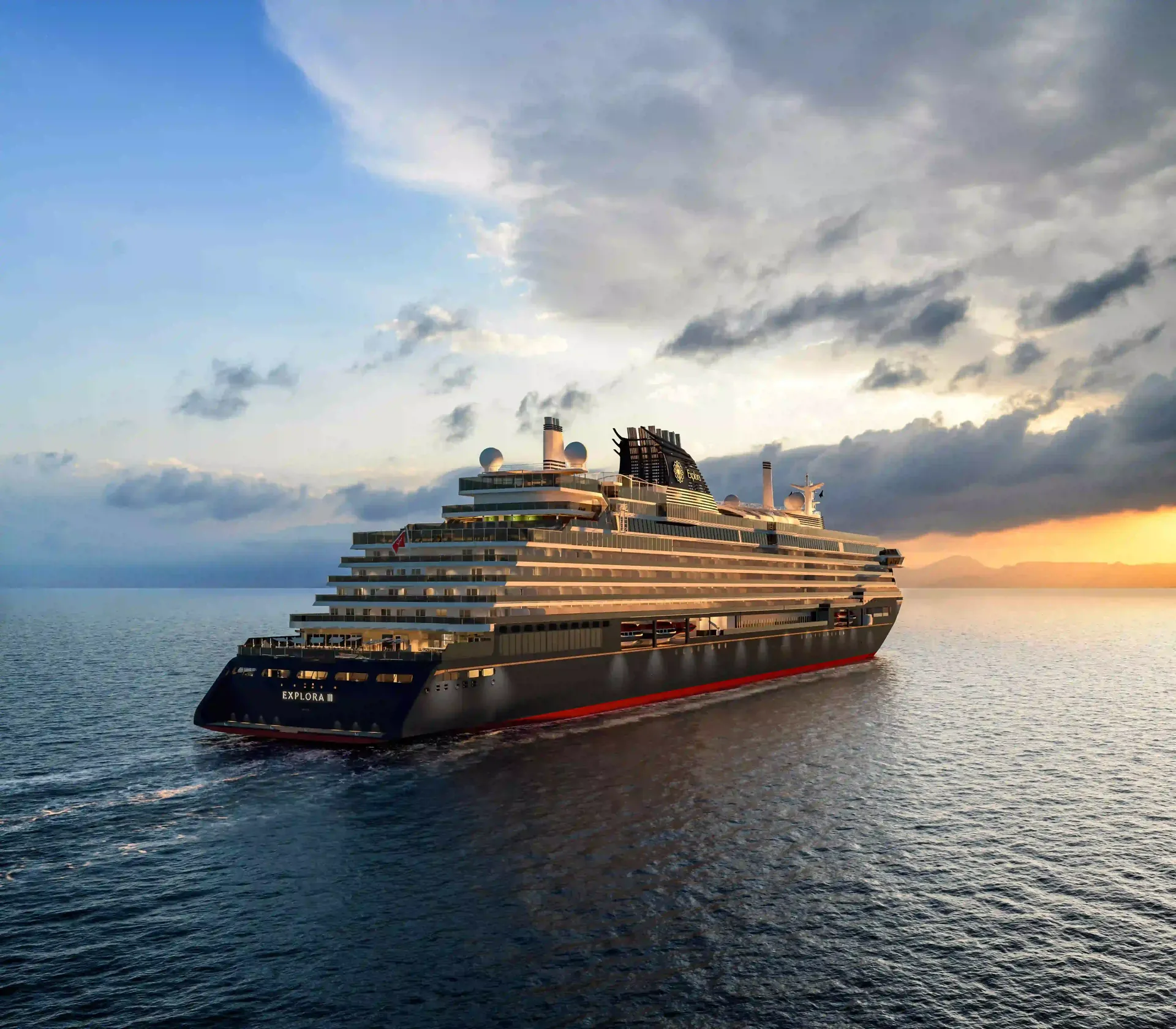
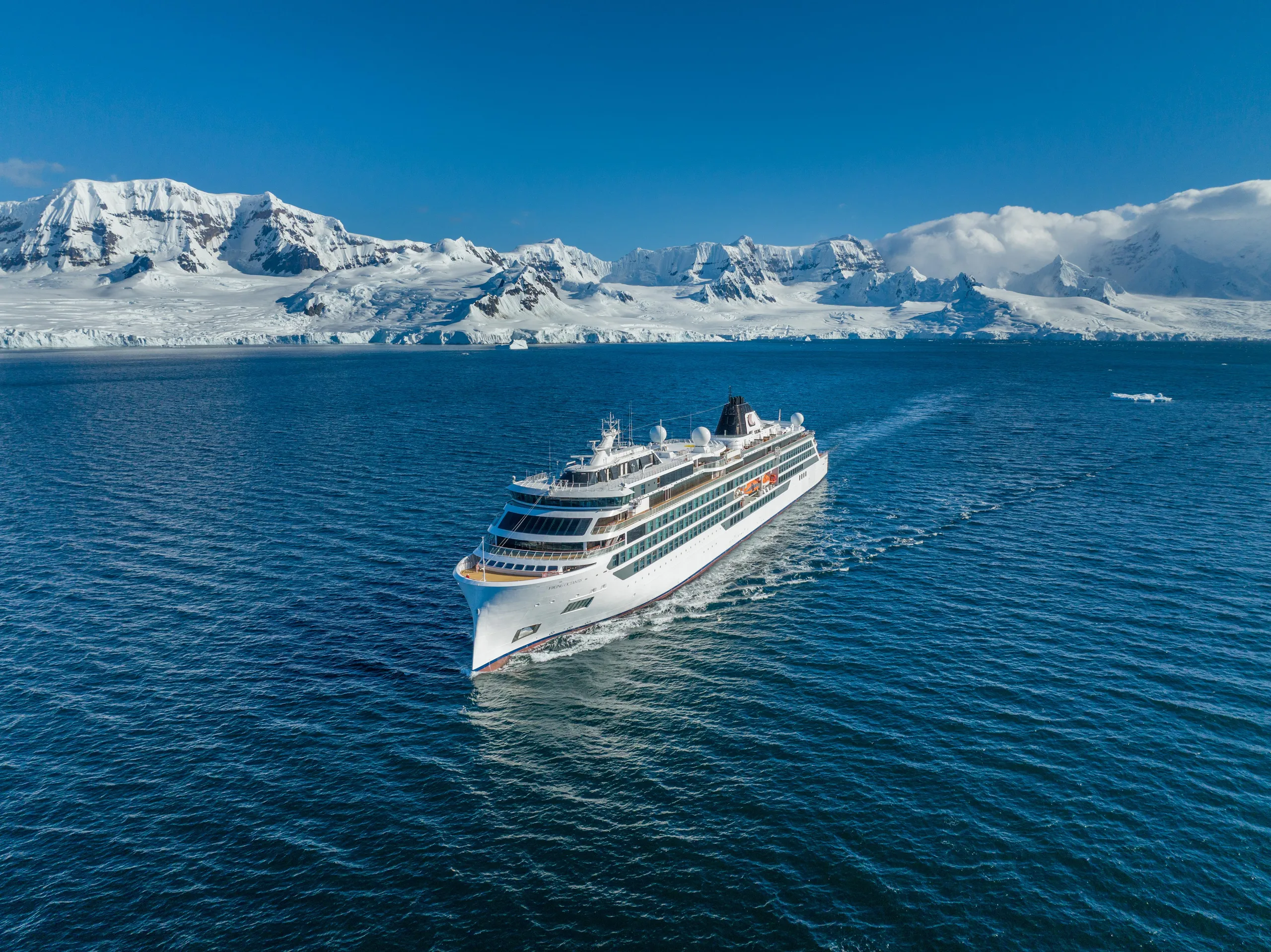
On a Viking Polaris or Viking Octantis voyage, landings are planned every day but never guaranteed. Here is how they work, what you may see, how to prepare and what happens when conditions change the plan.
A Viking Antarctic landing is a guided, weather-dependent excursion — and flexibility is the whole point
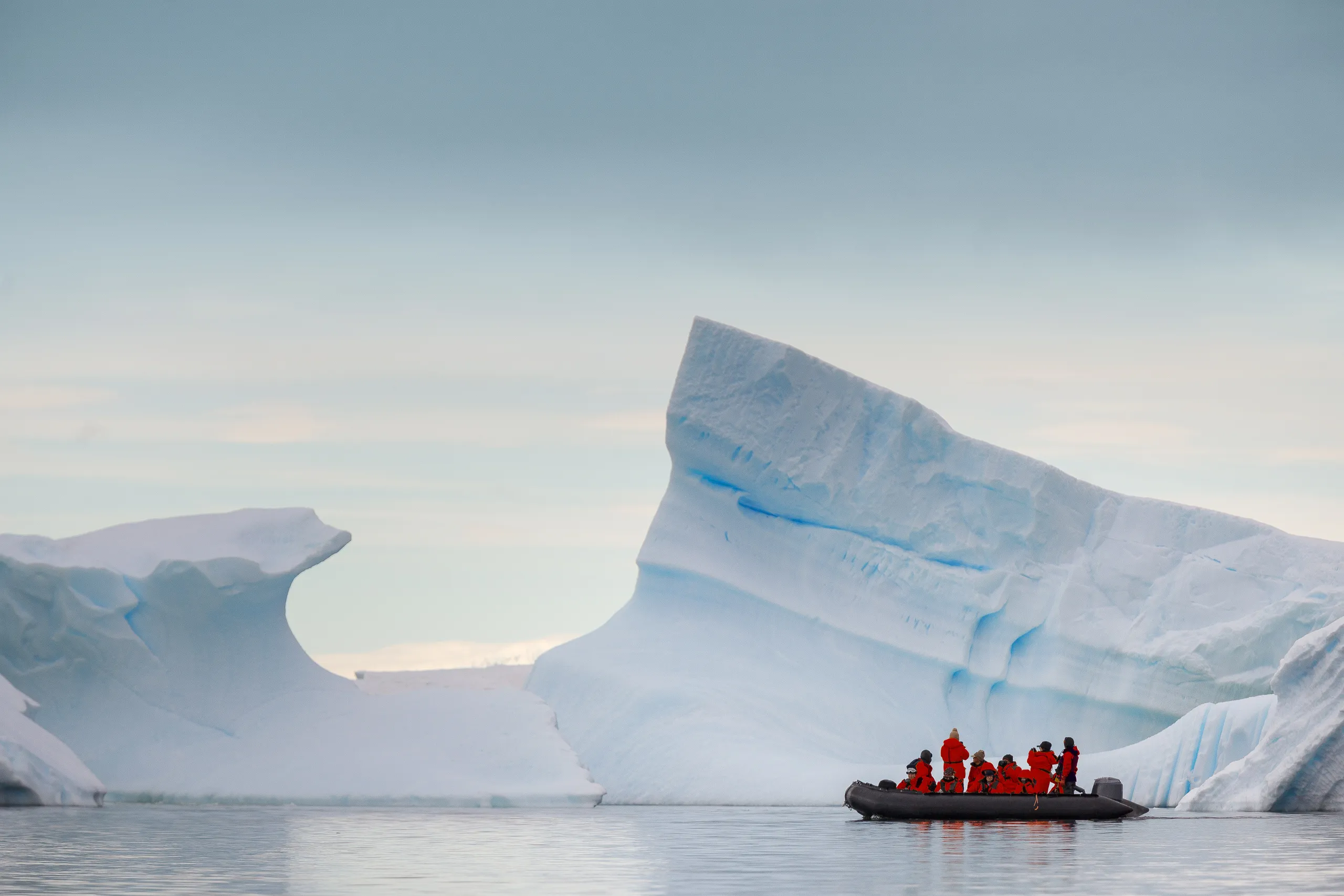
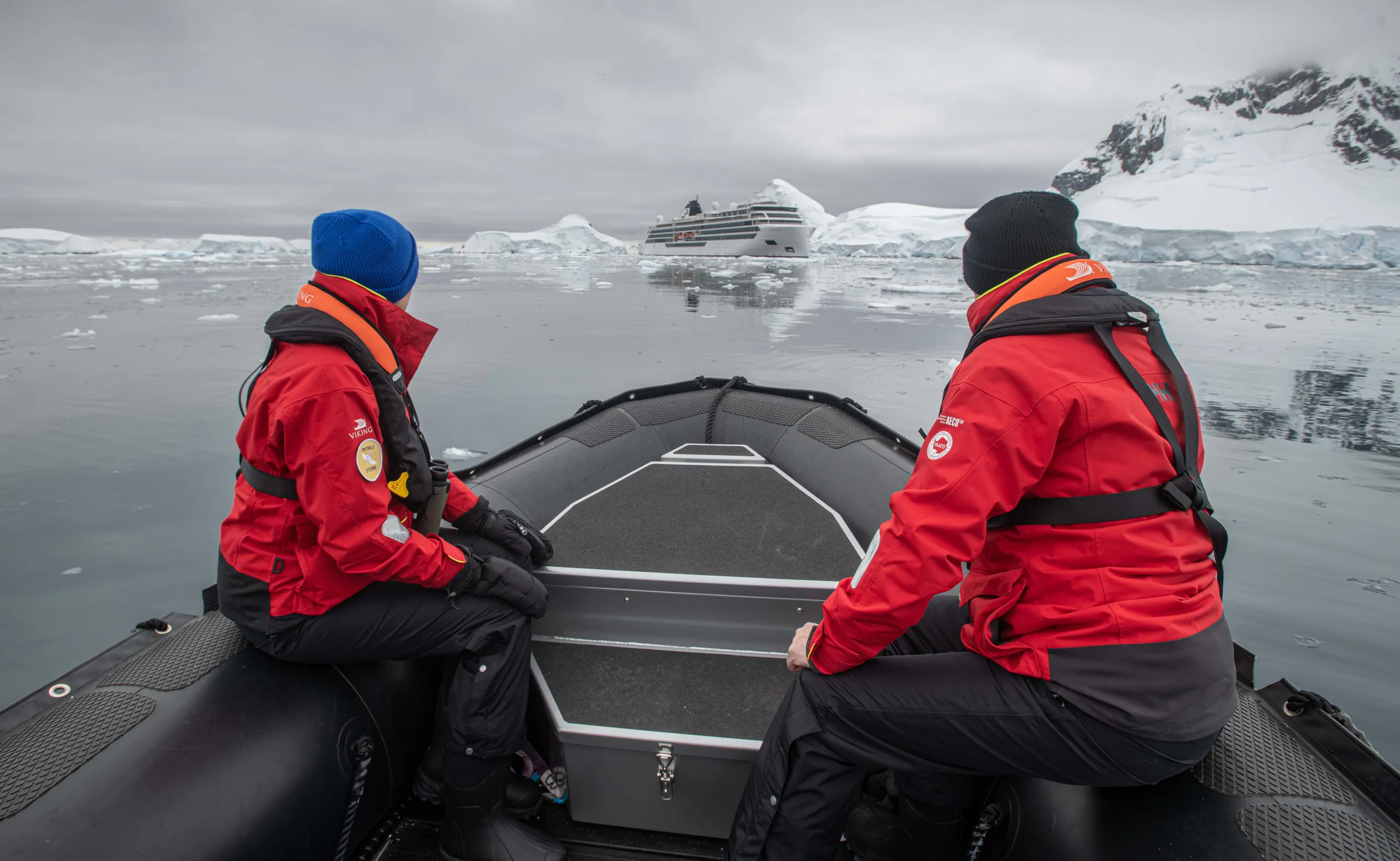
Expect to leave the ship by Zodiac, step onto a snowy or rocky shoreline at an approved site, and explore with the expedition team — but only when wind, sea state, ice and wildlife protection allow it on the day.
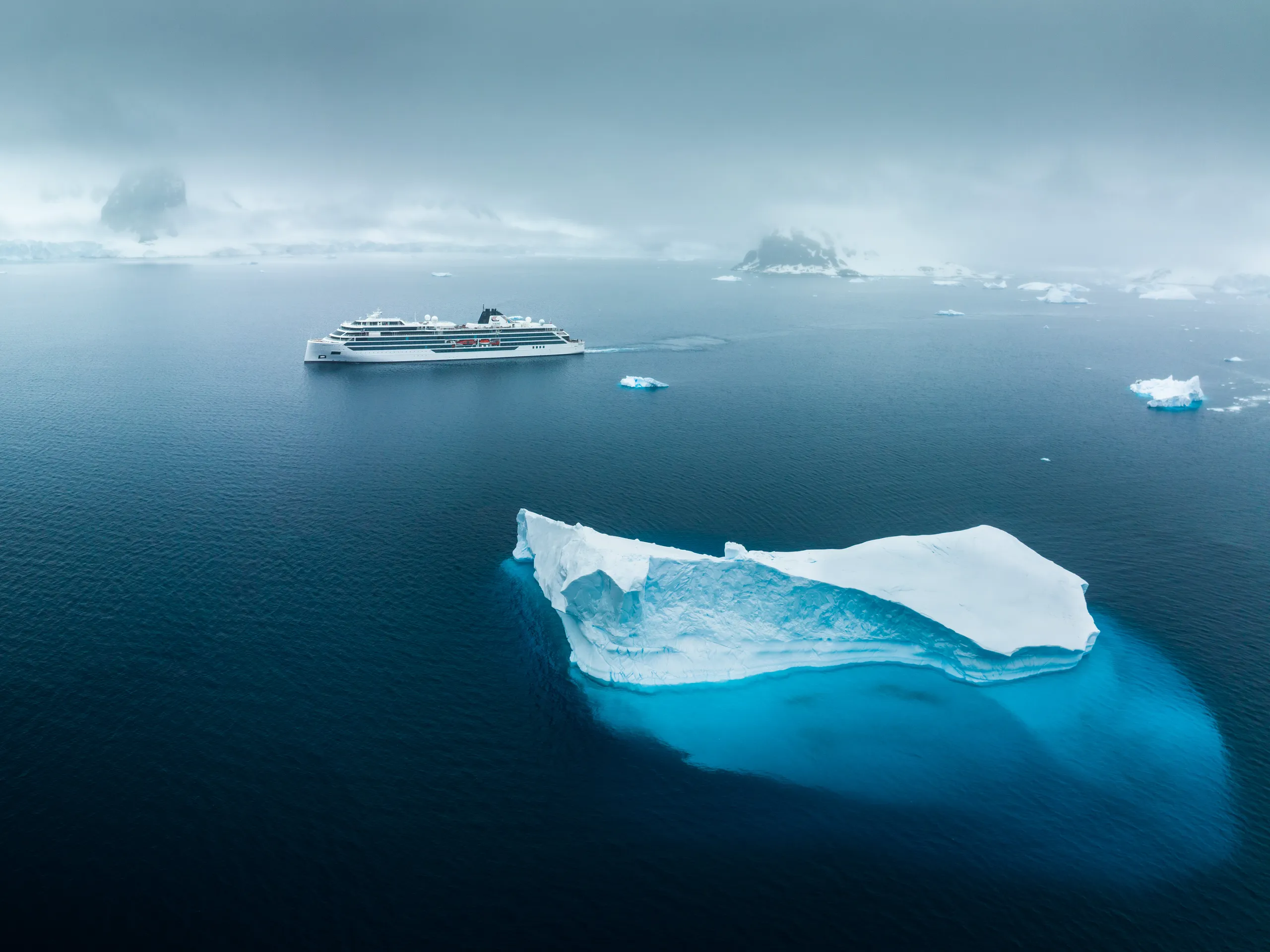
Antarctica has no docks and no fixed shore-excursion timetable. The expedition team evaluates conditions continually, and a planned landing may become a Zodiac cruise, a different site, wildlife viewing from the ship or onboard programming.
For luxury travelers, the best Antarctic expedition is not the one promising the most activities. It is the one that combines a comfortable ship, knowledgeable expedition professionals, responsible wildlife encounters and realistic expectations about one of the most remote environments on Earth.
This guide walks you through a landing step by step, what you may see ashore, how the season shapes the experience, what to wear and pack, and the questions we suggest asking Viking before you book.
How a Viking Antarctica Landing Works, Step by Step
The onboard expedition briefing
Preparing for the polar environment
Boarding the Zodiac
Approaching the landing site
Exploring ashore with the expedition team
Observing Antarctic wildlife responsibly
Returning to the ship
Viking Antarctica Landings at a Glance
Five things every traveler should understand before booking a Viking Antarctic expedition.
Weather, sea state, ice, wildlife protection and operational safety decide what is possible each day.
Small motorized inflatable boats operated by trained expedition staff, when conditions permit.
The Southern Hemisphere summer, when expedition ships visit the Antarctic Peninsula.
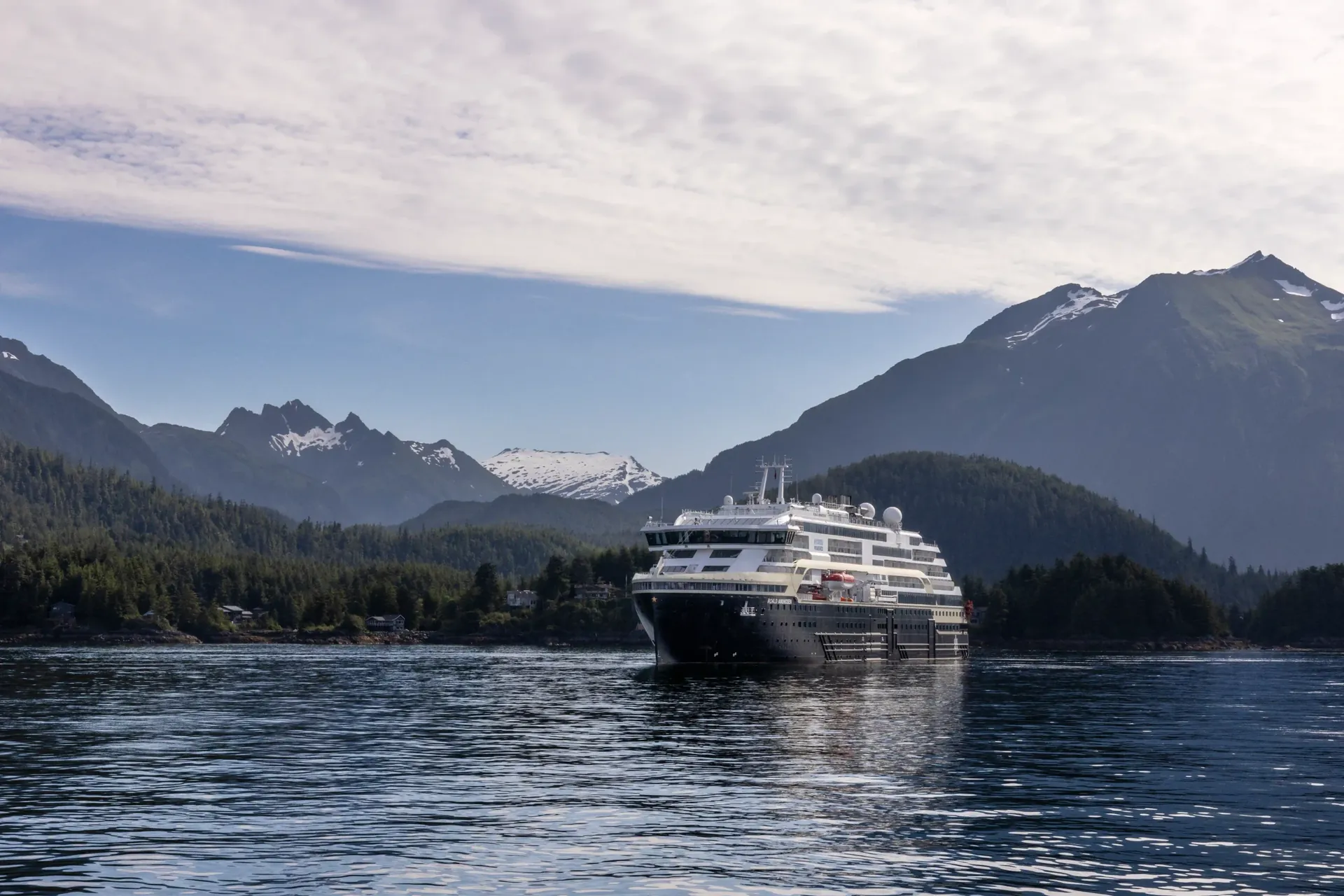
Purpose-built expedition vessels; confirm which ship operates your departure.
Many Antarctic Peninsula itineraries depart from Ushuaia and cross the Drake Passage.
Inside a Viking Antarctic Zodiac Landing
A walkthrough of the briefing, Zodiac boarding and time ashore at an Antarctic Peninsula landing site.
What You May See During Viking Antarctic Landings
Every expedition is different. Sightings and landing sites depend on the itinerary, season, weather, sea conditions, ice and wildlife activity — nothing on this list is promised.
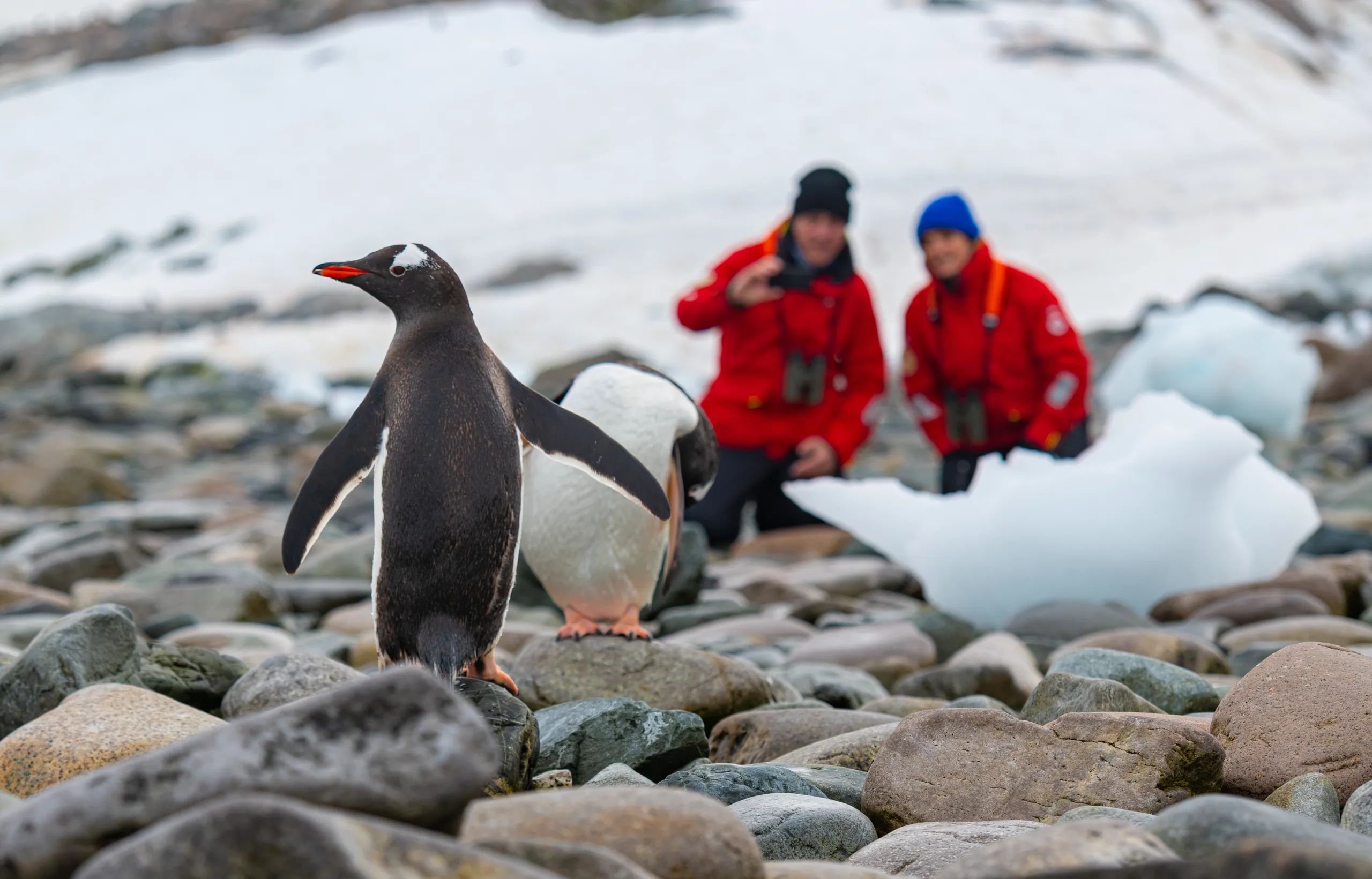
Penguin colonies
"Often the most memorable encounter of the voyage."
Depending on the site, species may include gentoo, chinstrap or Adélie penguins. Some landings are near breeding colonies; others offer glimpses of birds moving between sea and shore.
Stay on designated routes and let penguins move freely.
Seals on ice and shore
"Best appreciated from a Zodiac at a safe distance."
Antarctic waters support Weddell, crabeater and leopard seals, and Antarctic fur seals in some areas. A Zodiac cruise may bring you past a seal resting on an ice floe.
The expedition team sets the viewing distance.
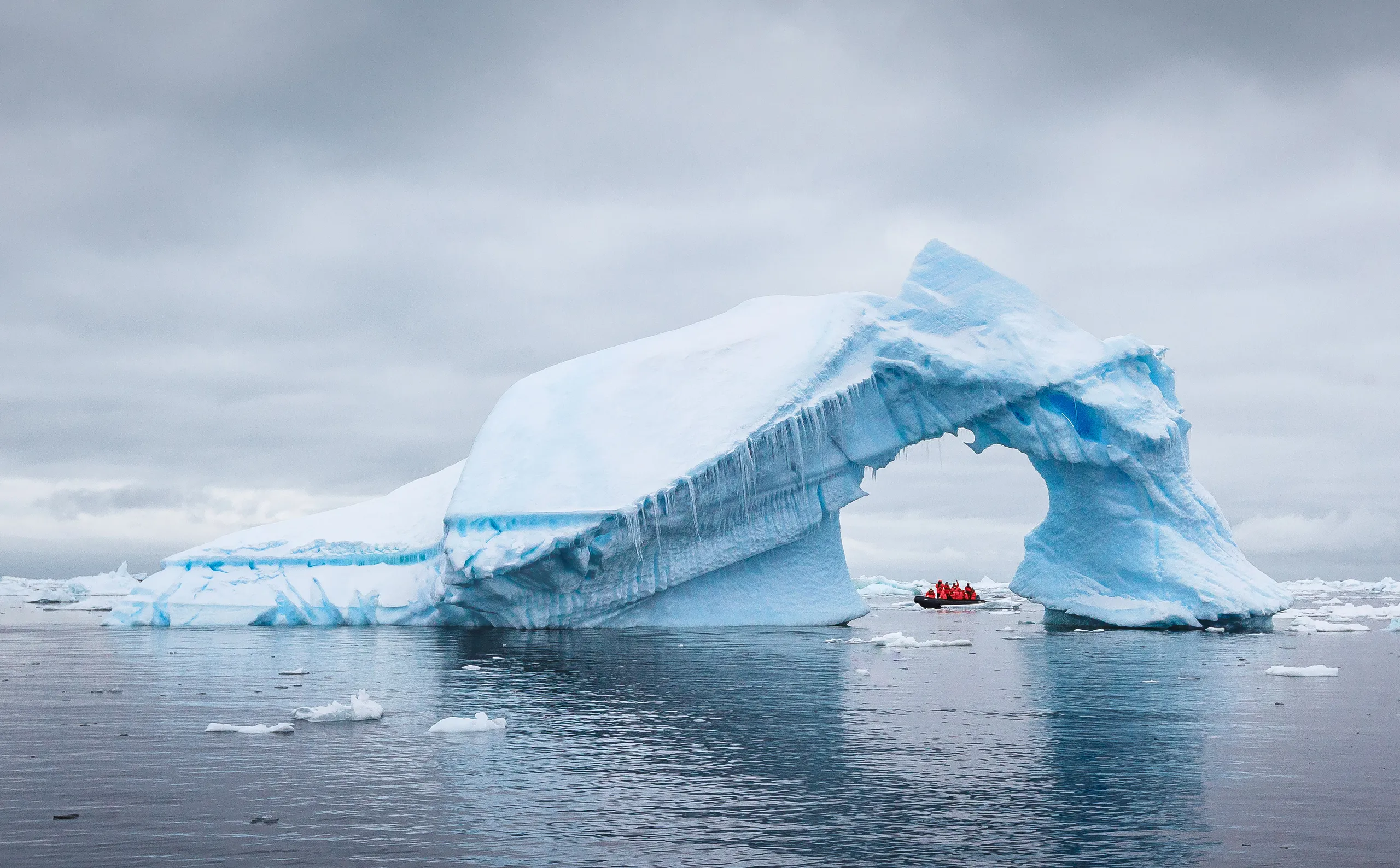
Icebergs and glacial scenery
"Brilliant white to deep compacted blue."
Iceberg shapes and colors change with light and angle. Zodiacs keep a safe distance because icebergs can shift, roll or shed ice without warning.
Follow the driver's instructions near ice at all times.
Seabirds and whales
"Bring binoculars if you enjoy wildlife at a distance."
Skuas, petrels and shags may appear around landing sites. Whales are more commonly seen from the ship or a Zodiac than during a shore walk.
Guides can help you identify species.
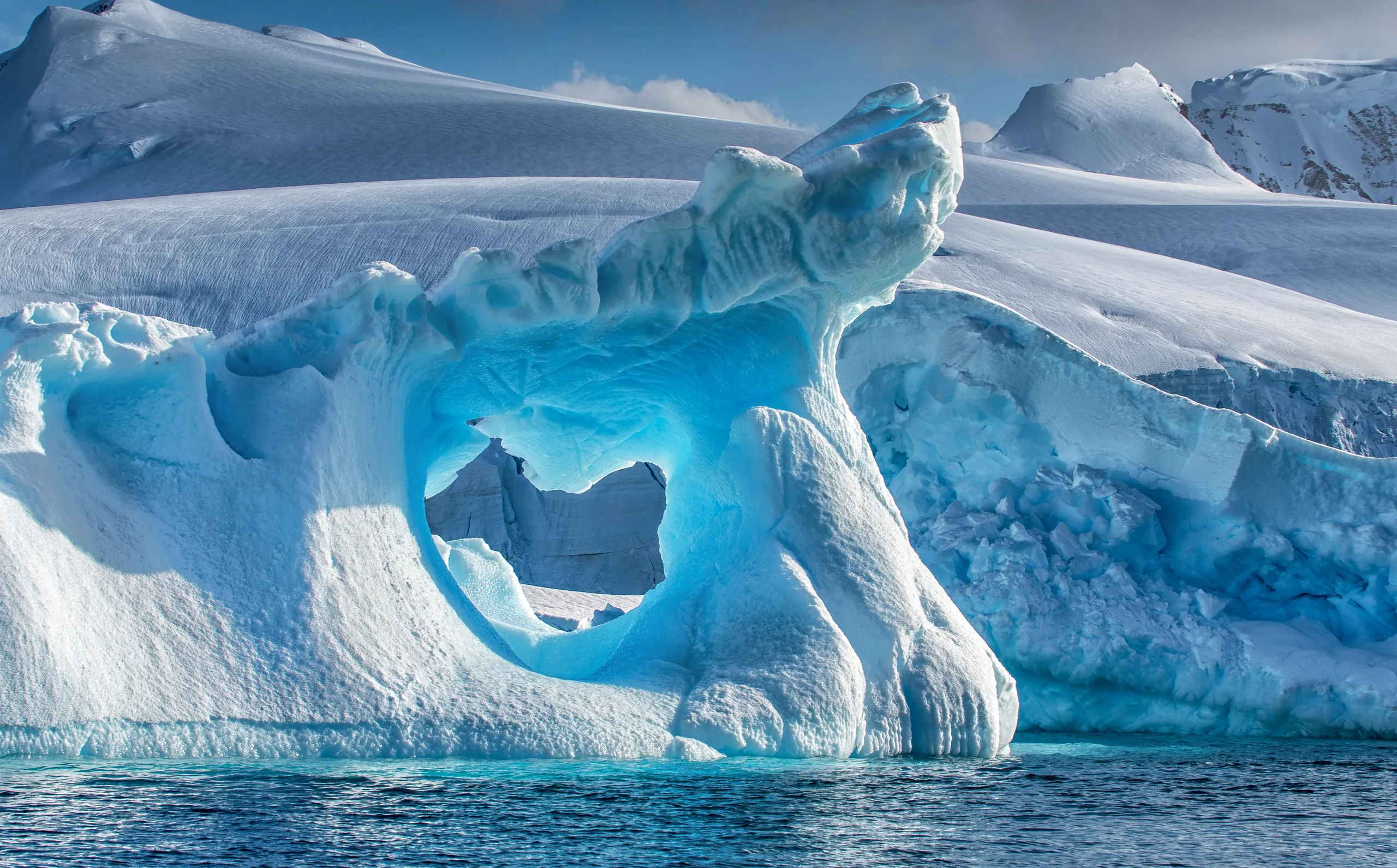
The Antarctic Peninsula
"Peaks, glaciers and sheltered bays."
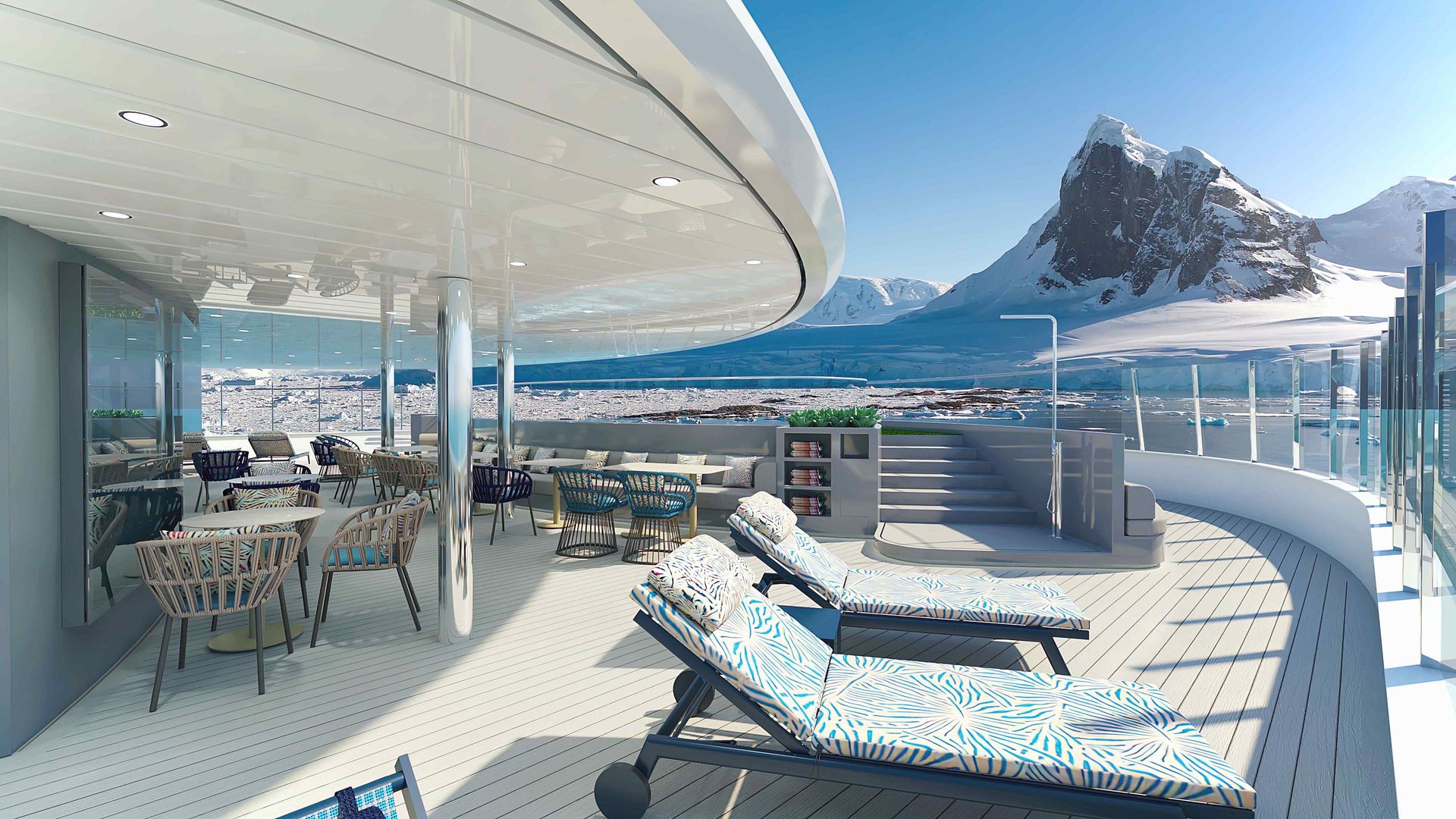
Snow-covered mountains rise directly from ice-filled water. Clouds, sunlight or mist can transform the same scene within minutes, which is why each landing feels different.
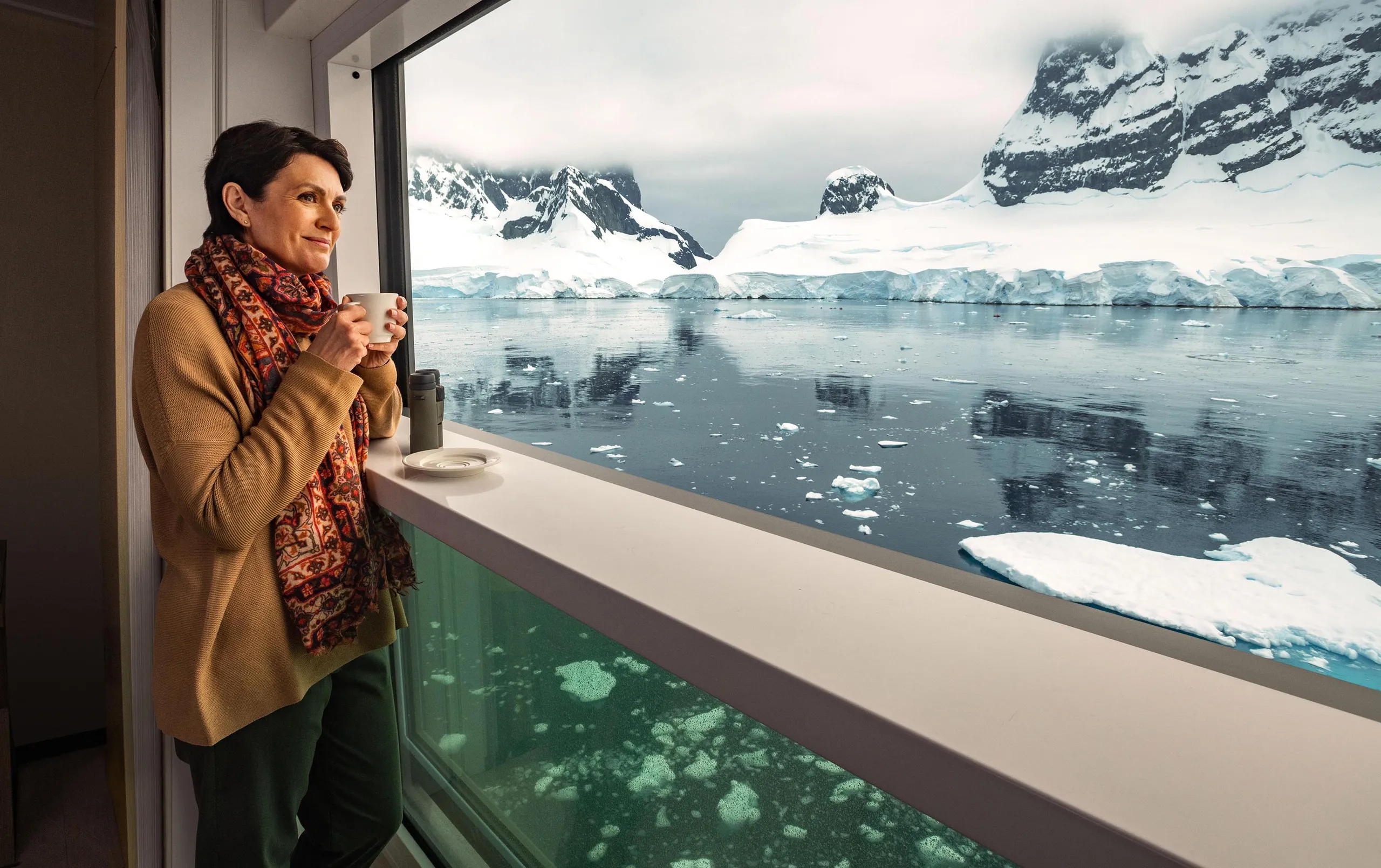
A landing shows you the continent; a Zodiac cruise reveals the waterline.
Wildlife photography
"A zoom lens for animals, a wide angle for scale."
Bring a camera you can operate with gloves, protect it from spray and keep spare batteries warm in an inner pocket. Never leave the route for a better angle.
The best images preserve natural behavior.
Shore Landing vs. Zodiac Cruise vs. Shipboard Viewing
| Feature | Shore landing | Zodiac cruise | Shipboard viewing |
|---|---|---|---|
| Step onto land | Yes, when permitted | Not necessarily | No |
| Wildlife observation | Often possible | Possible | Possible |
| Terrain or transfer demands | May be significant | Requires boat transfer | Usually lower |
| Exposure to wind and spray | Variable | Often greater | Usually lower |
| Main appeal | Experiencing the shore firsthand | Exploring coastal waters | Comfort and broad scenic views |
| Availability | Depends on landing conditions | Depends on operational conditions | Depends on route and visibility |
Why a Planned Landing Can Change
Wind and sea conditions
Strong winds, waves, swell or an exposed shoreline can make Zodiac transfers unsafe — even on a day when the ship itself can navigate comfortably.
Sea ice and icebergs
Ice can block access to a site or make the approach unsuitable. The team may choose another location to keep a safe distance from hazards.
Wildlife and site rules
Breeding colonies, site-specific rules, visitor limits and environmental requirements all influence where and when people may go ashore.
Visibility and safety
Poor visibility or deteriorating weather can stop a landing before it starts — or bring guests back early if conditions change ashore.
Which Antarctic Experience Suits You Best?
Prioritize shore landings
For travelers who want the sensation of standing on Antarctic land.
You Enjoy:
- •Comfortable on uneven ground
- •Wants guided exploration
- •Keen on colony views
Recommended For You:
Prioritize Zodiac cruising
For travelers drawn to icebergs, coastal scenery and marine wildlife from water level.
You Enjoy:
- •Photographs ice from changing angles
- •Looks for seals and seabirds
- •Happy with spray and wind
Recommended For You:
Value shipboard viewing
For travelers who want the scenery with less physical exertion, or a reliable alternative when shore activities are unavailable.
You Enjoy:
- •Prefers stable viewing areas
- •Enjoys expedition presentations
- •Has mobility considerations
Recommended For You:
When Is the Best Time for Viking Antarctic Landings?
The main expedition season runs from November through March. These are general seasonal tendencies, not guarantees for an individual landing or itinerary.
November
The start of the Antarctic summer, with dramatic snow-covered landscapes and wildlife beginning its breeding cycle.
Key Realities & Tips
- •Pristine early-season scenery
- •Travelers who like the atmosphere of a landscape emerging from winter
Less Ideal
- •Sea ice and weather may limit which sites are accessible
December
Extended daylight, and penguin colonies may be busy with breeding and nesting activity depending on species and site.
Key Realities & Tips
- •Photographers
- •Nature enthusiasts who value long light
Less Ideal
- •Wildlife timing still varies between sites
January
The core of the season. Colonies may be particularly active, and some sites may offer opportunities to observe chicks.
Key Realities & Tips
- •Scenic observation and photography
- •Travelers with fixed dates who can book early
Less Ideal
- •Popular dates need advance planning
February
Changing colony activity, seals and seabirds, plus opportunities to look for whales during coastal or open-water cruising.
Key Realities & Tips
- •Combining shore exploration with Zodiac and ship-based wildlife viewing
Less Ideal
- •Wildlife encounters remain unpredictable
March
The later part of the season, when wildlife behavior and daylight change and individual voyages differ considerably.
Key Realities & Tips
- •Late-season landscapes
- •Travelers comparing specific departures closely
Less Ideal
- •Not every site visited earlier may be available
What to Wear and Pack for an Antarctic Landing
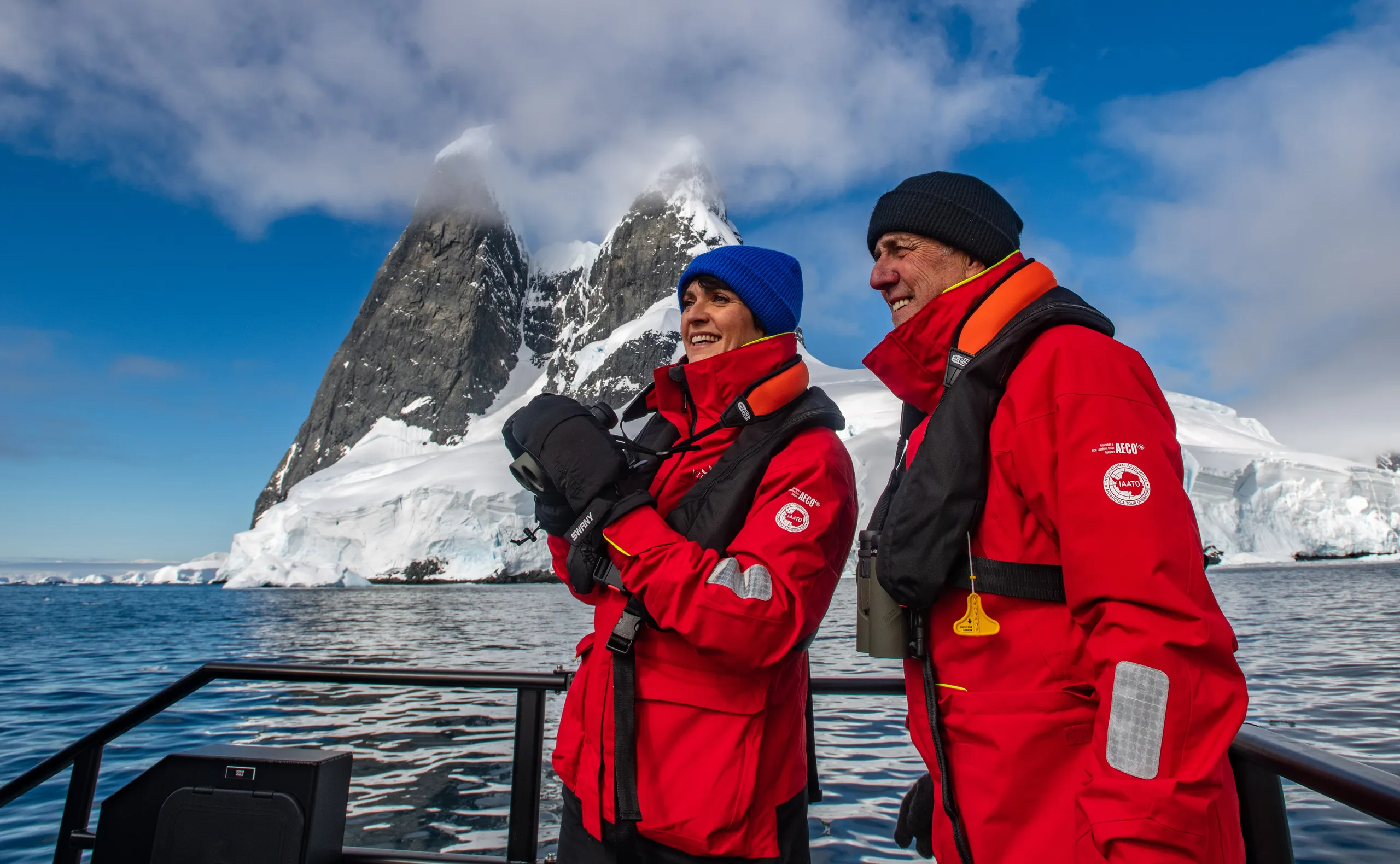
Dress for wind, cold, moisture and changing conditions rather than relying on one heavy coat. Viking's current voyage-specific packing list is always your primary reference — confirm what is supplied before buying specialist gear.
Clothing layers
Layering lets you adjust as temperature, wind and activity change during an excursion.
- Thermal base layersMerino wool or a suitable synthetic; avoid cotton next to the skin because it holds moisture.
- Insulating mid-layersFleece, wool or another warm layer you can add or remove.
- Waterproof, windproof outerwearMeeting Viking's requirements — check whether outerwear is supplied first.
- Warm hat and glovesA thin liner glove for cameras and zippers under a warmer outer glove.
Common Mistakes When Planning Viking Antarctic Landings
Most disappointments on an Antarctic expedition come from expectations, not from the ship. These are the planning errors we help travelers avoid.
Expectations
Treating landings as appointments
An advertised itinerary does not guarantee a particular number of landings, sites or sightings.
Packing
Buying gear before checking inclusions
Bulky specialist clothing and boots may duplicate items supplied for your voyage.
Mobility
Overlooking Zodiac and terrain demands
Boarding a Zodiac and walking over snow, stones or slopes require balance and confidence.
Logistics
Building an inflexible travel schedule
Drake Passage sea conditions and itinerary adjustments can affect arrival and departure timing.
Wildlife
Moving closer for the photograph
Leaving the route or approaching animals disturbs wildlife and delays the group.
Booking terms
Assuming cancellations mean compensation
A weather-related cancellation does not automatically qualify for a refund or credit.
Penguins, Ice and the Antarctic Peninsula
Wildlife etiquette, photography tips and the landscapes you may encounter on a Viking Antarctic expedition.
Continue Planning Your Expedition
Compare Antarctica with another expedition specialist, or explore Viking's other voyages.
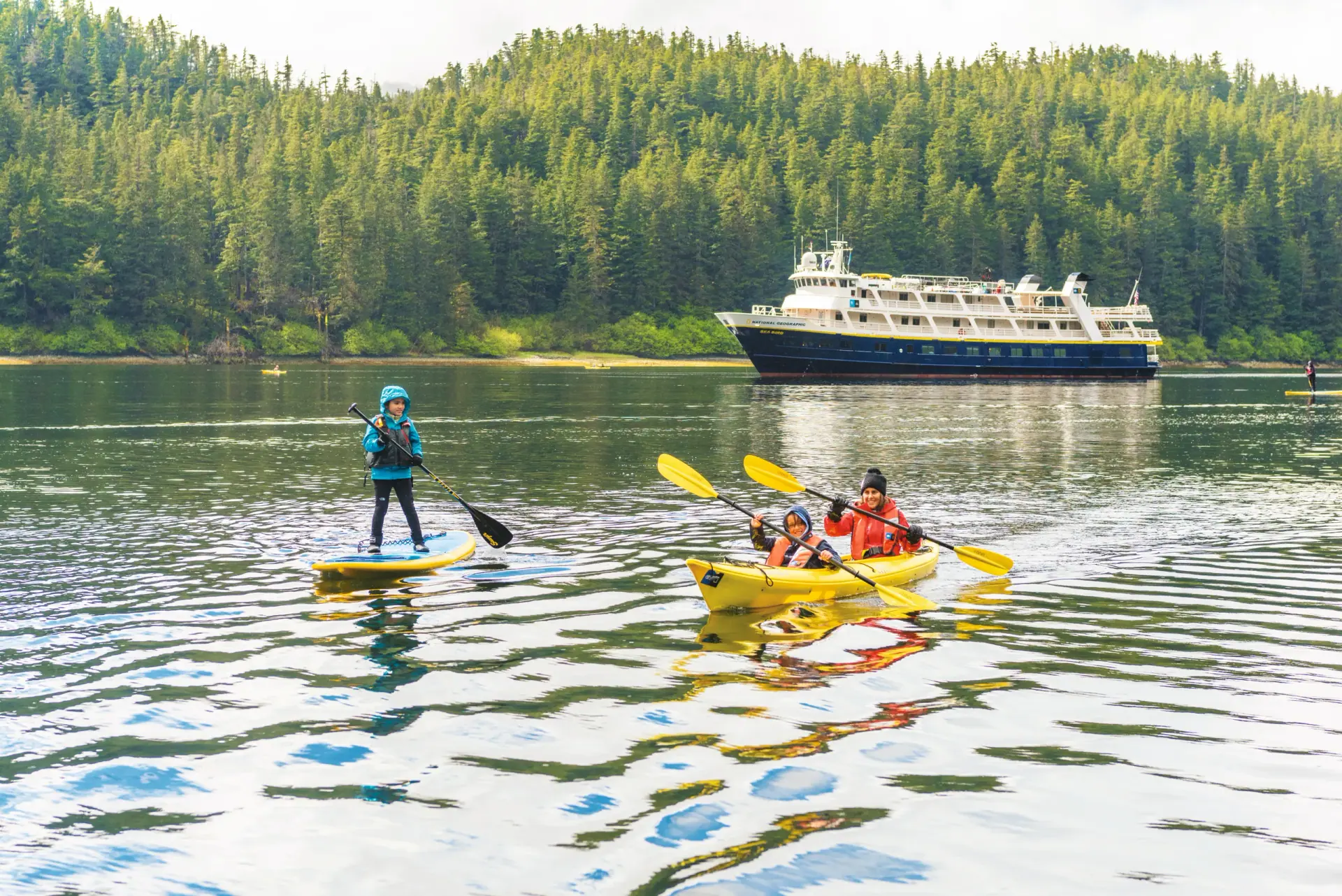
Lindblad Antarctica Cruises
How National Geographic–Lindblad approaches the White Continent, for travelers comparing expedition operators.
Viking Great Lakes Collection
Itineraries, ports and the best time to sail North America's inland seas aboard a Viking expedition ship.
Viking British Isles Explorer
A 15-day voyage from London to Bergen through Ireland, Wales, Scotland and Norway.
Choose the expedition, not the promise
The defining feature of an Antarctic expedition is flexibility. The expedition team adjusts the program around conditions, safety and responsible access, and a planned shore visit may be replaced by a Zodiac cruise or another suitable activity.
A canceled landing does not automatically mean a lost day. Sailing through an iceberg-filled bay, watching wildlife from the vessel or learning from expedition specialists can still deliver a meaningful Antarctic experience.
Before booking, we suggest asking Viking about the expected activity format, the physical requirements of Zodiac transfers, available assistance, included clothing and equipment, and how itinerary changes are communicated. Those answers matter more than any brochure promise.

Advisor Insight
— Angela Hughes, CEO & Founder, Trips & Ships Luxury Travel
Angela Hughes Authority & Credentials
Viking Cruise Specialist & CEO, Trips & Ships Luxury Travel
Angela Hughes
Angela Hughes, CEO and founder of Trips & Ships Luxury Travel and founder of Luxury Travel University, has spent more than 40 years in the travel industry. Her work spans luxury cruises, expeditions, safaris and river cruising.
For polar travel, her guidance focuses on preparation and realistic expectations: matching the voyage, ship and activity level to each traveler's comfort, mobility and appetite for adventure.
KEY QUALIFICATIONS & ACHIEVEMENTS
- CEO and Founder of Trips & Ships Luxury Travel
- Founder, Luxury Travel University
- Over 40 years of experience in the travel industry
- Travel Leaders Network Advisory Board Member
- 2024 Luxury Travel Influencer of the Year — Travel Leaders Network
- 2026 Most Influential Women in Travel — TravelPulse
- Has traveled to 121+ countries across seven continents
- Global luxury travel speaker and trainer
Viking Antarctica Landings: Frequently Asked Questions
Expect a guided expedition experience that may involve a Zodiac transfer, time at an approved shore site, wildlife observation and interpretation from expedition staff. What actually happens depends on weather, sea conditions, wildlife protection requirements and safety decisions made on the day.
No. Planned landings are not guaranteed. Wind, waves, sea ice, wildlife activity and operational safety can require the expedition team to change, shorten, postpone or cancel a landing.
When conditions permit, guests board a motorized inflatable Zodiac operated by trained expedition staff and travel to an approved landing site. Guests follow crew instructions throughout boarding, the transfer and disembarkation, and return the same way.
There is no single standard duration for every landing. Time ashore depends on the location, conditions, the operational plan and the expedition team's instructions, so check Viking's onboard guidance for voyage-specific details.
Depending on the location and season, visitors may see penguins, seals, seabirds and other Antarctic wildlife. Whales are more often observed during Zodiac cruising or from the ship. Sightings are never guaranteed.
The expedition team may consider a Zodiac cruise, another suitable landing site, wildlife observation from the ship or onboard expedition programming. Alternatives depend on conditions and are not guaranteed, and a cancellation does not automatically qualify for compensation.
Wear thermal base layers, insulating mid-layers, waterproof and windproof outerwear, warm gloves and a hat. Follow Viking's current packing list and instructions on suitable boots and any supplied equipment.
Physical demands vary by site. Guests may need to board a Zodiac and walk across uneven, snowy, rocky, wet or slippery terrain. Ask Viking about the requirements for your specific voyage and planned activities.
Participation depends on individual mobility, Zodiac boarding arrangements, terrain, conditions and available assistance. Contact Viking before booking to discuss your needs, and ask whether onboard or water-based alternatives may be available.
Sometimes. Penguins may be visible from a Zodiac or the expedition ship, depending on location and wildlife activity, but viewing from the water or the ship does not guarantee a sighting.
A shore landing involves stepping onto an approved site on land. A Zodiac cruise explores coastal waters, icebergs and wildlife from a small boat and does not necessarily include going ashore. Each offers a different perspective on Antarctica.
The main expedition season generally runs from November through March. December through February offers long summer daylight and active wildlife, but the best departure depends on your interests, the itinerary and conditions on the day.
Not necessarily. Landing locations depend on the itinerary, weather, sea ice, wildlife protection, site availability and operational decisions. Confirm the planned route for your specific departure.
Viking Polaris and Viking Octantis are purpose-built expedition vessels designed for polar and other expedition itineraries. Confirm which ship operates your chosen departure, along with its activity arrangements.
Many Antarctic Peninsula itineraries depart from Ushuaia, Argentina, and cross the Drake Passage. Sea conditions on the crossing vary considerably, so allow sufficient time for international connections.
Bring layered clothing, warm gloves and a hat, footwear as specified by Viking, sun protection, and a protected camera or binoculars if you wish. Check which clothing and equipment are provided before purchasing specialist gear.
We help travelers compare expedition itineraries, clarify comfort and activity priorities, and prepare the right questions for the cruise operator. Current fares, availability, inclusions and landing arrangements should always be confirmed before booking.
Planning a Viking Antarctica Expedition?
Understanding how landings, Zodiac excursions, weather and physical requirements work helps you choose a voyage that fits your travel style. Our advisors will help you compare departures and prepare the questions that matter before you book.
Plan My Antarctic ExpeditionViking Cruises Guide Series
Continue Planning Your Viking Cruise
Expert guides from Angela Hughes and the Trips & Ships team covering Viking river, ocean and expedition itineraries, seasons, cabins and costs.
European River Itineraries
- Viking Rhine Getaway8 days from Basel to Amsterdam: Middle Rhine castles, Strasbourg, Cologne and the best time to sail.
- Viking Romantic DanubeBudapest, Vienna and the Wachau Valley: the classic first river cruise, day by day.
- Viking Grand European Tour15 days on the Rhine, Main and Danube from Amsterdam to Budapest.
- Rhine Getaway vs Romantic Danube vs Grand European TourRoutes, locks, pace, costs and who each Viking river itinerary suits best.
Ocean Voyages
Expeditions & Great Lakes
More Viking Cruise Guides
Explore Cruise Brands & Destinations
Stay informed with our comprehensive guides, reviews, and comparisons of the world's finest cruise lines and luxury travel destinations.