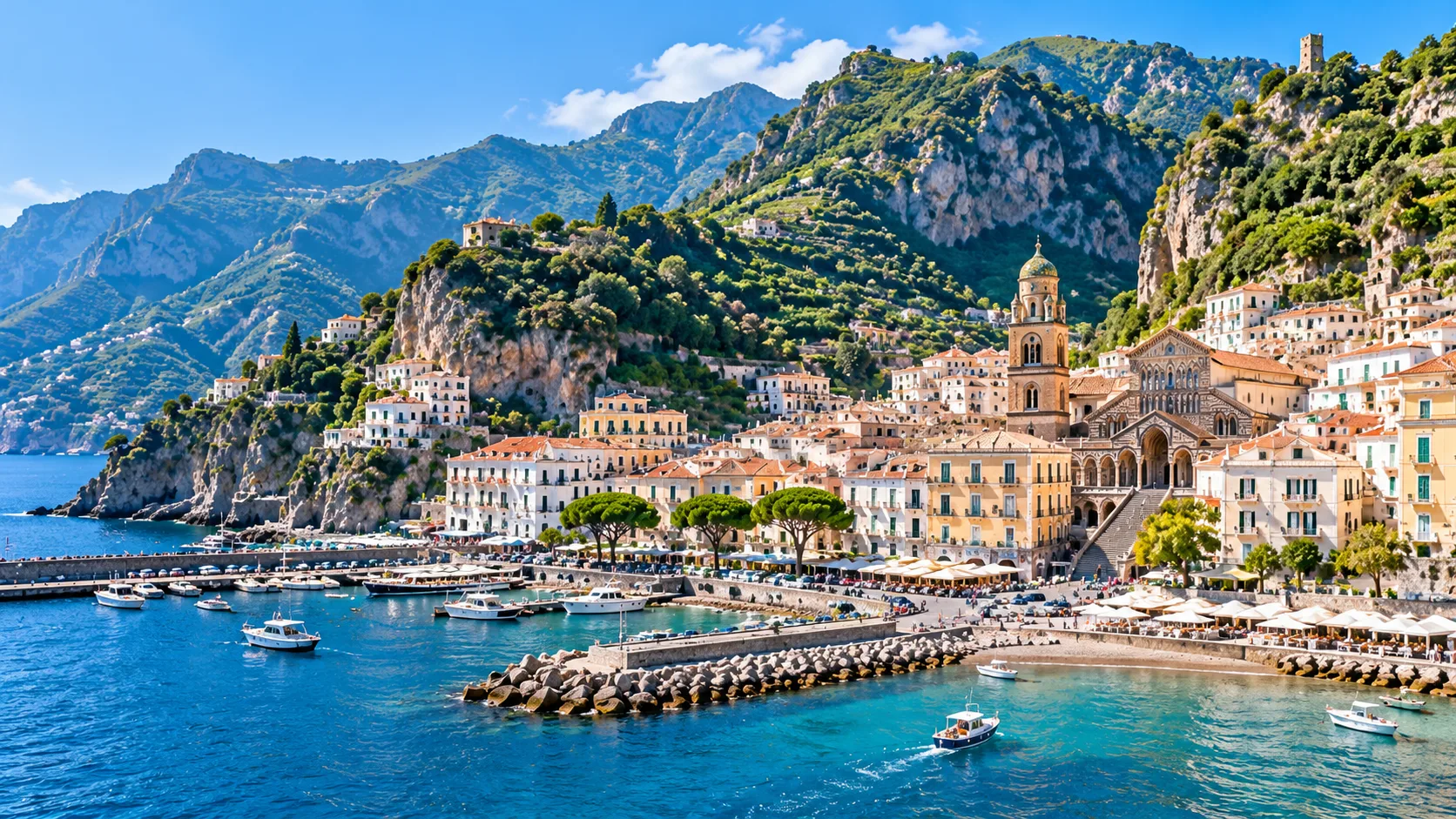
How Do You Get to Amalfi From Rome?
A seamless guide to navigating Italy's most spectacular coastal journey.
Quick Answer: Transportation Methods
| Travel Option | Approximate Journey | Best For |
|---|---|---|
| Private transfer | About 3–4+ hours* | Maximum comfort and convenience |
| High-speed train + private transfer | About 3–4+ hours* | Speed + luxury |
| High-speed train + ferry | About 3–5+ hours* | Scenic summer travel |
| Train + bus | About 4–5+ hours* | Budget-conscious travelers |
| Rental car | About 3–4+ hours* | Independent travelers |
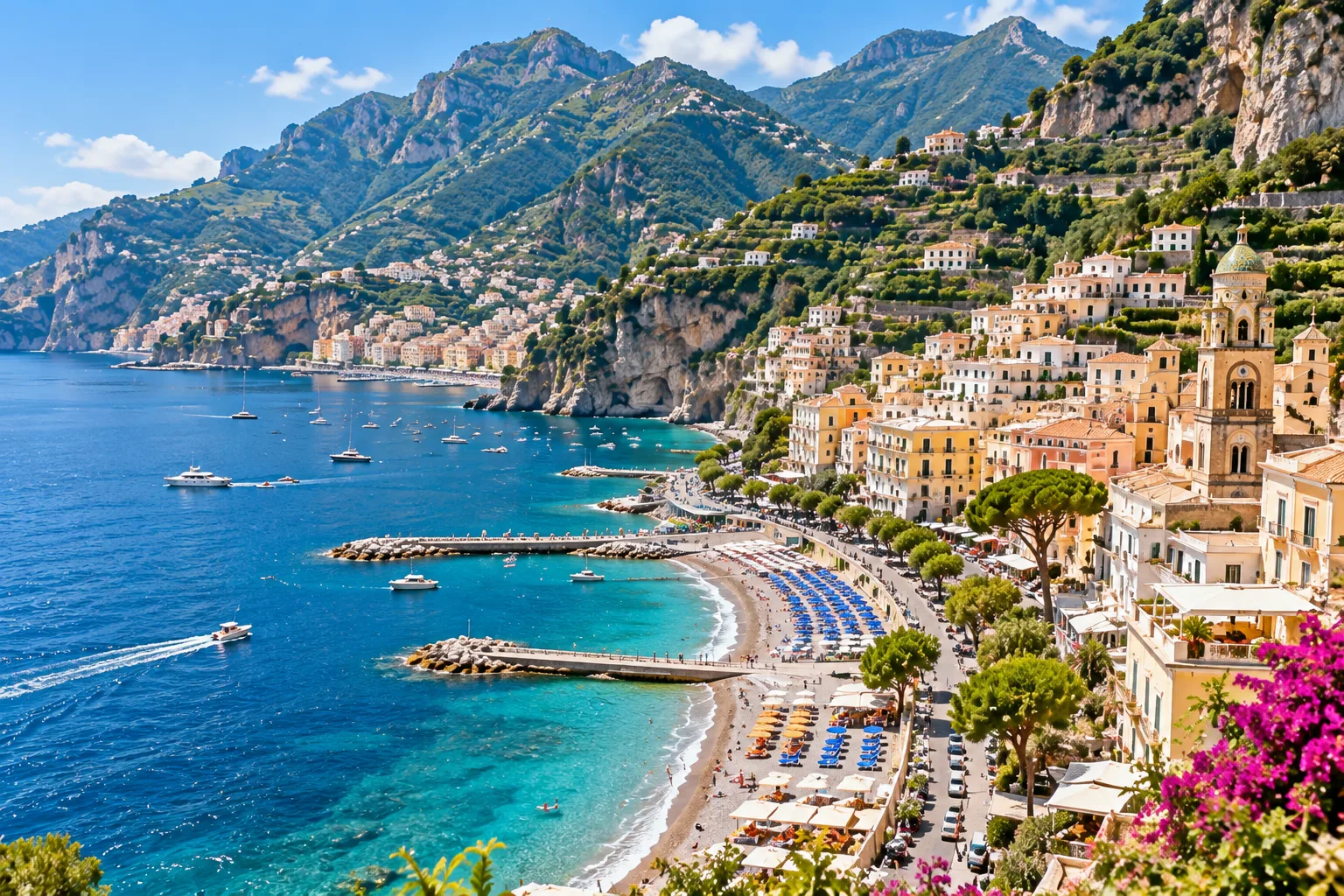
Rome to Amalfi at a Glance
The Three Best Ways to Travel

Private Transfer
Best for luxury, convenience and door-to-door service without handling luggage.
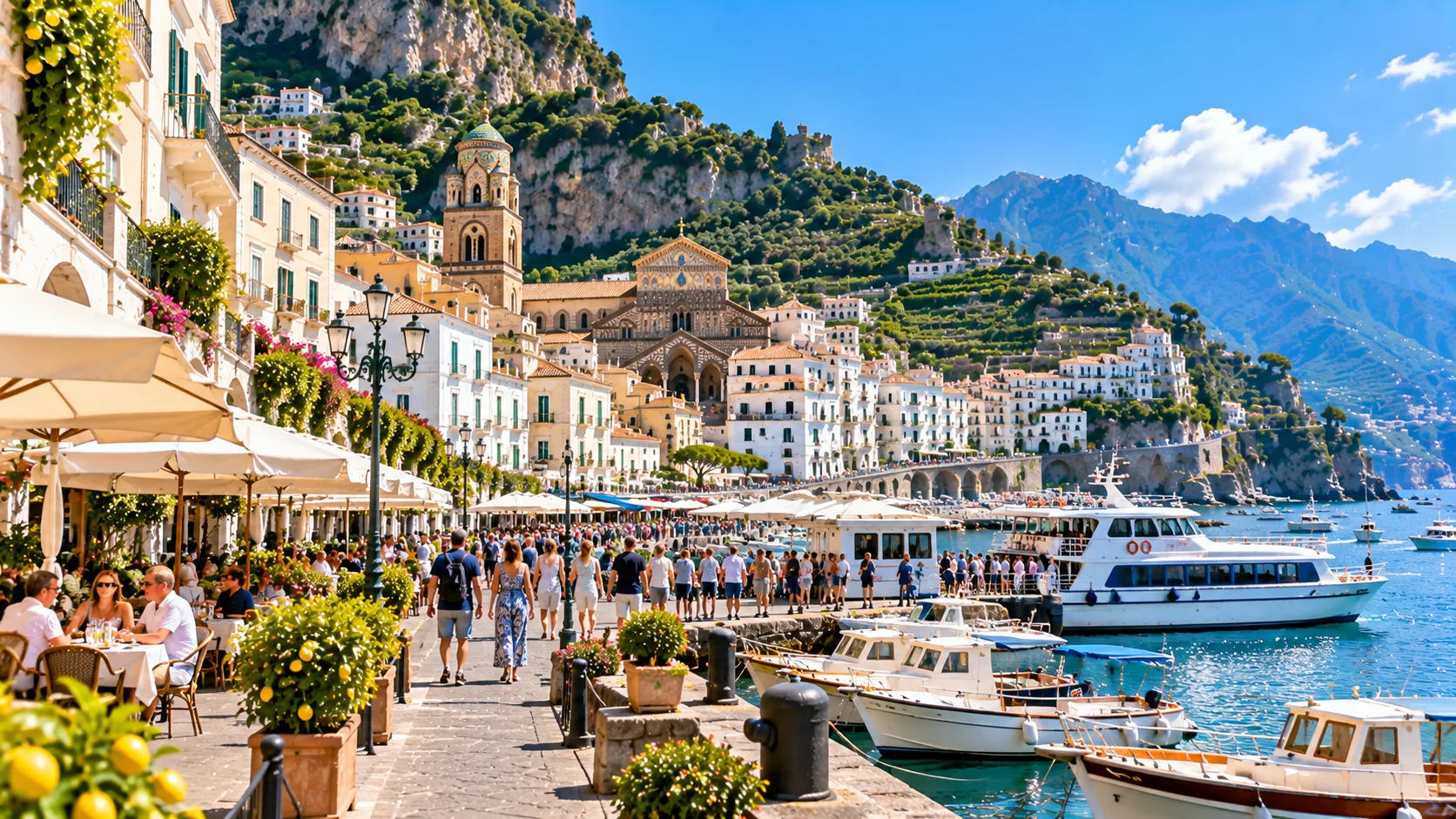
Rome → Salerno → Amalfi
The best combination of high-speed rail speed and private transfer comfort.
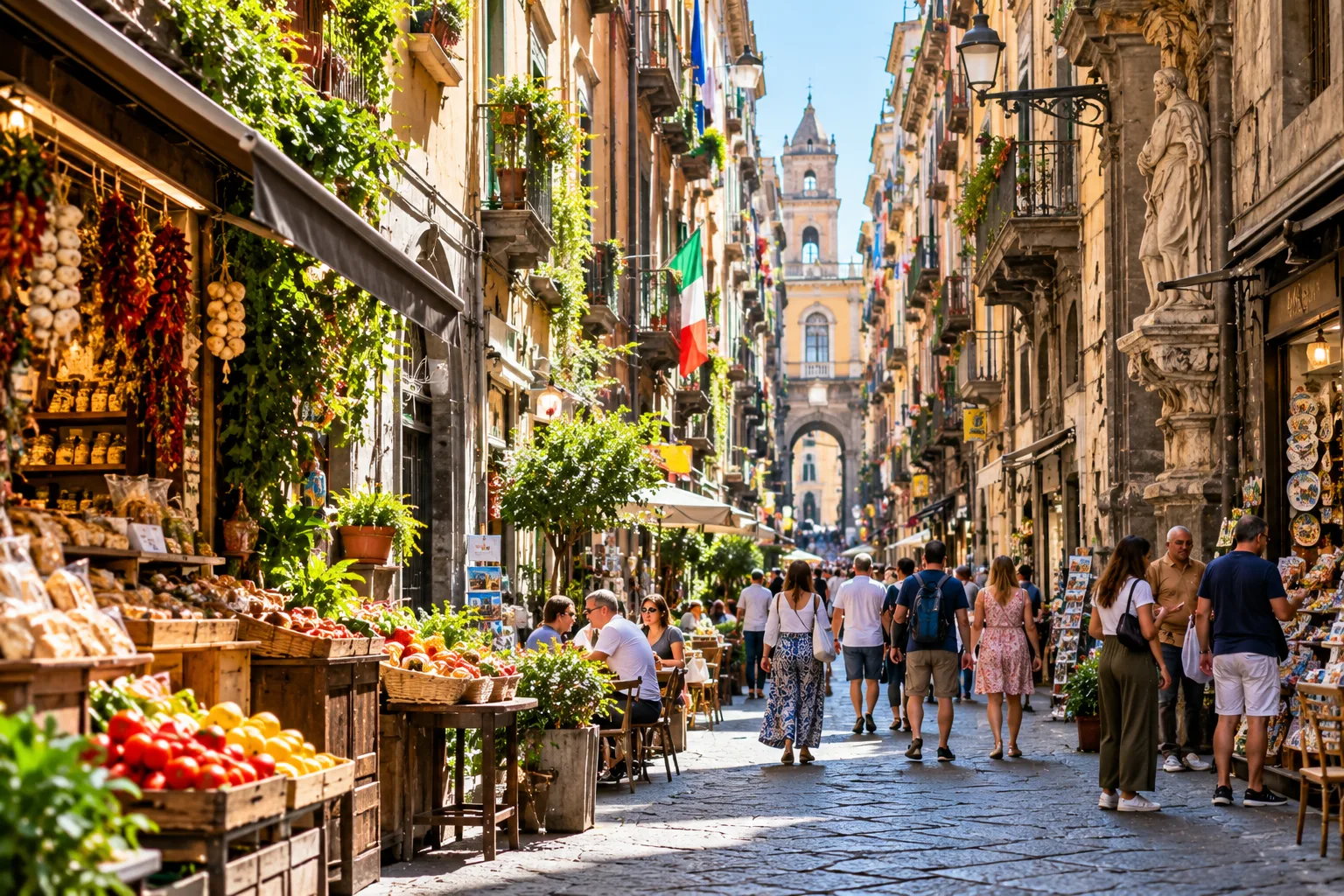
Rome → Naples → Amalfi
Best when Pompeii, Herculaneum, or Naples is part of your itinerary.

The Key Decision
If Amalfi is your priority: Salerno. If Pompeii is your priority: Naples.
Philosophy Comparison
Salerno vs. Naples: Which Gateway Should You Choose?
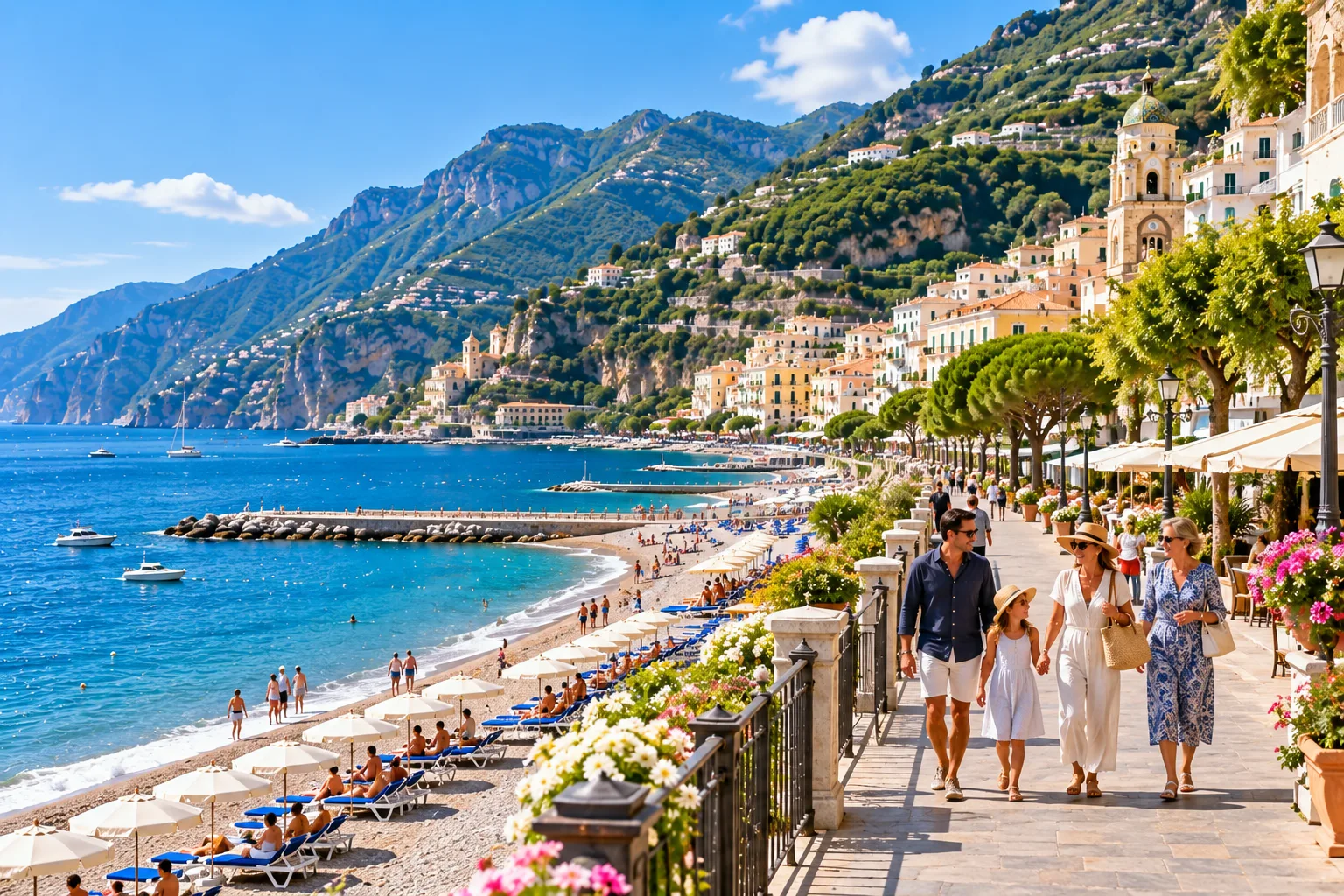
Salerno Gateway
Efficient & Direct
- Closer coastal connection to Amalfi
- Strategic access to eastern Amalfi Coast
- Less chaotic transfer point

Naples Gateway
Historic & Multi-stop
- Perfect for visiting Pompeii en route
- Naples sightseeing, Mount Vesuvius
- Bustling transit hub with rich culture
If Amalfi is your priority, choose Salerno. If visiting Pompeii or Naples is part of your itinerary, routing through Naples makes excellent itinerary sense.
The Journey Visualized
Step-by-step from Rome to the Amalfi Coast.
Depart Rome
Leave your Rome hotel or Fiumicino Airport.

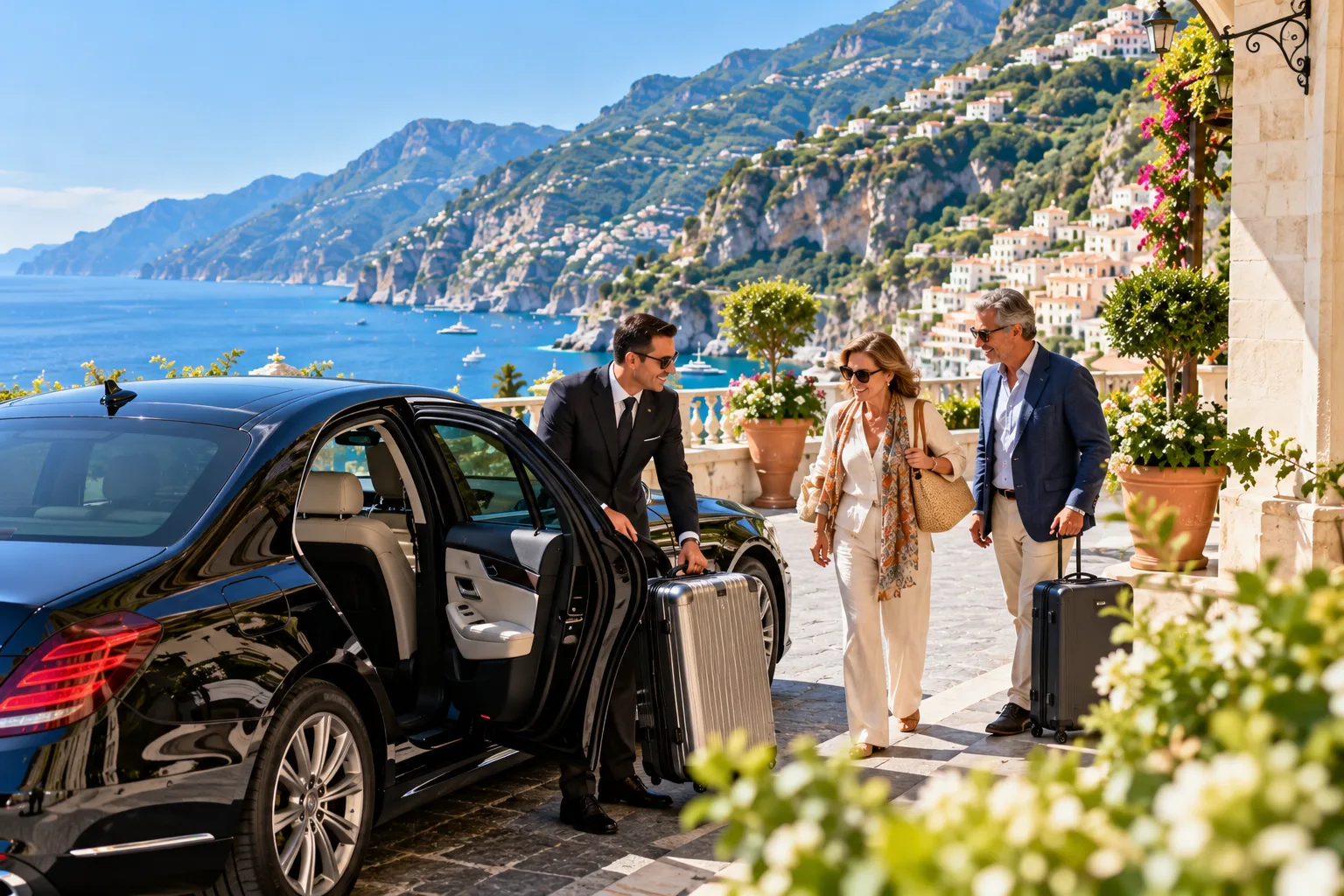
The Motorway (A1)
Travel south towards the Campania region via fast roads or high-speed rail.
Gateway Connection
Transition at Naples or Salerno, potentially stopping at Pompeii.
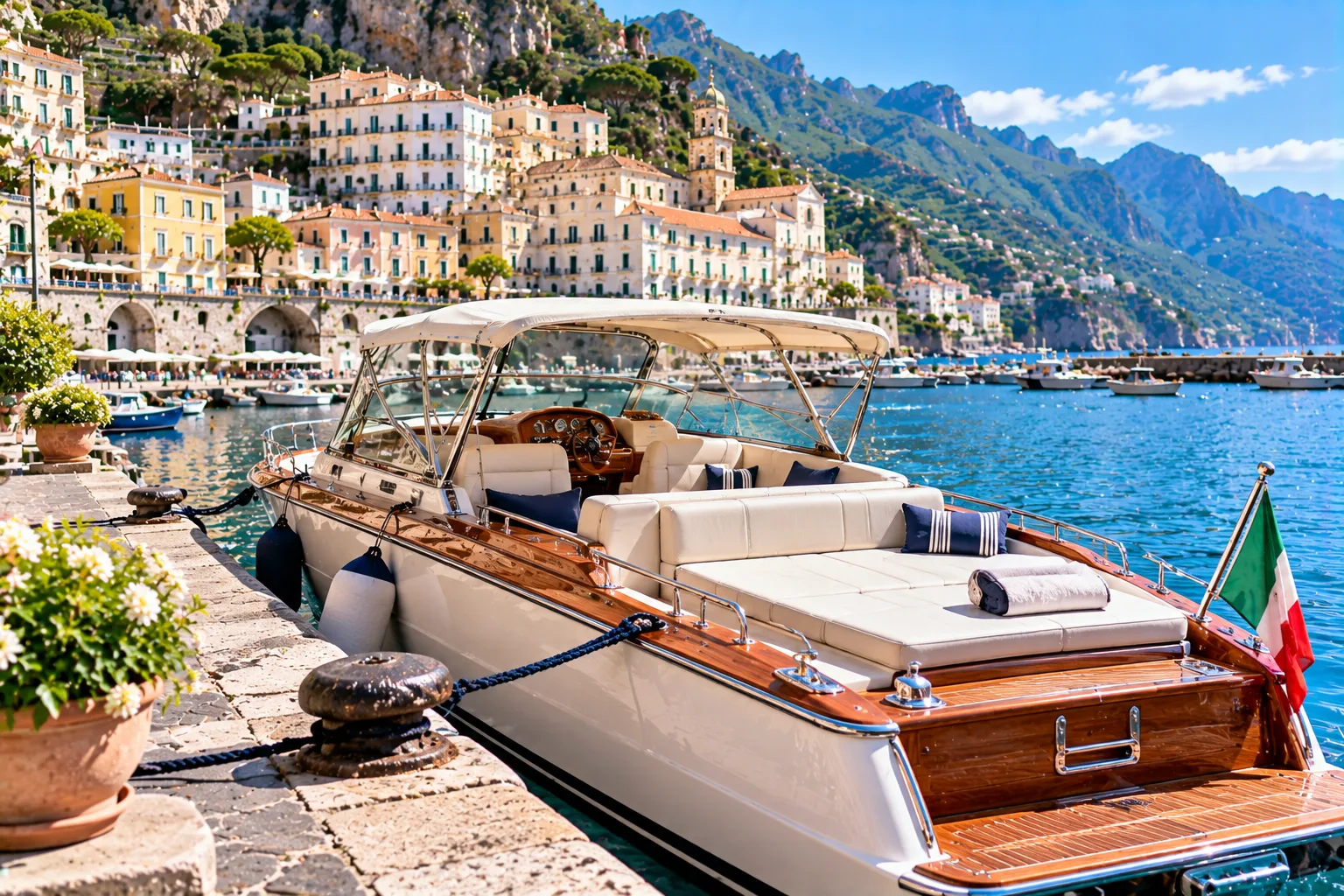
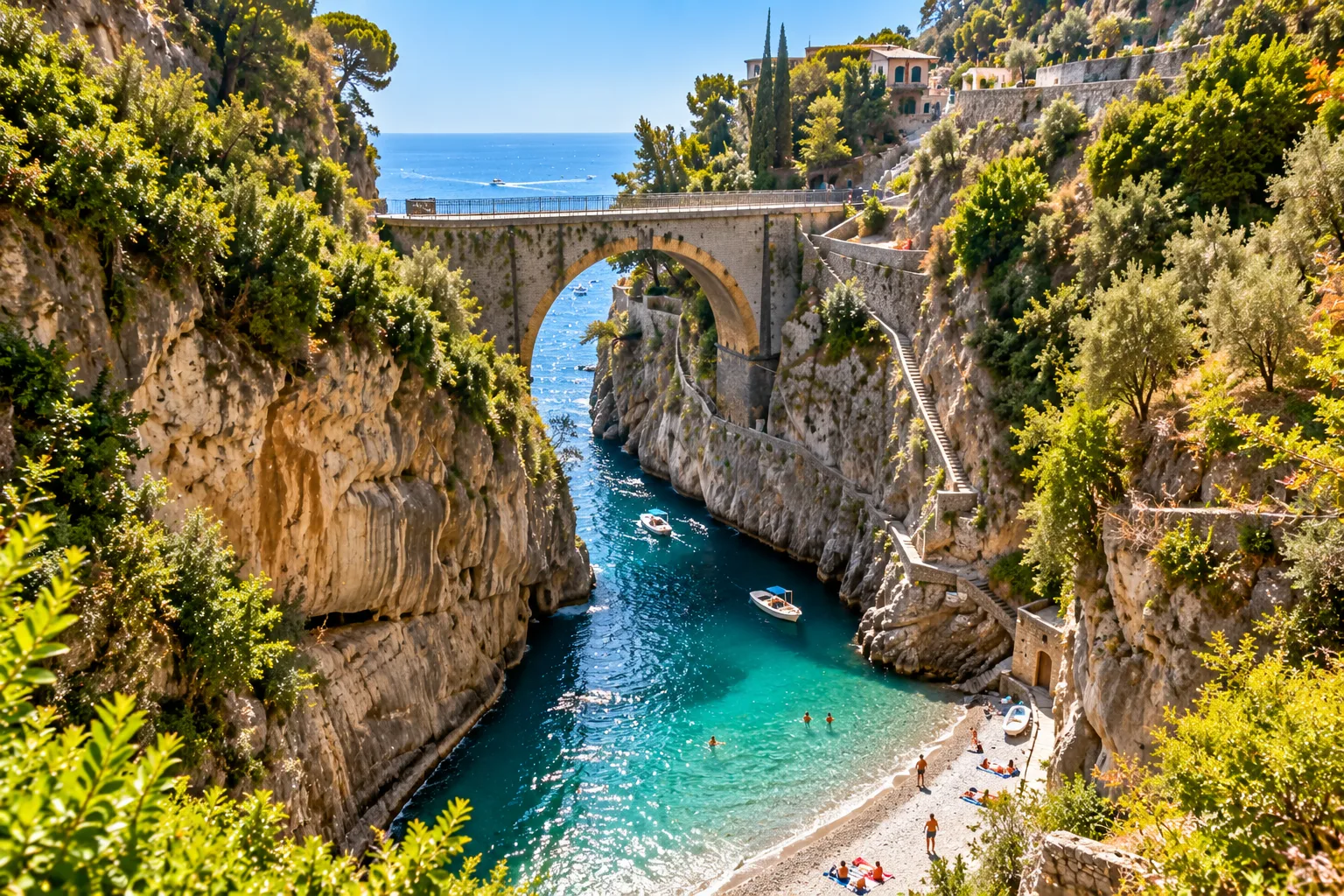
The Coastal Approach
Enter the spectacular winding roads of the Amalfi Coast.
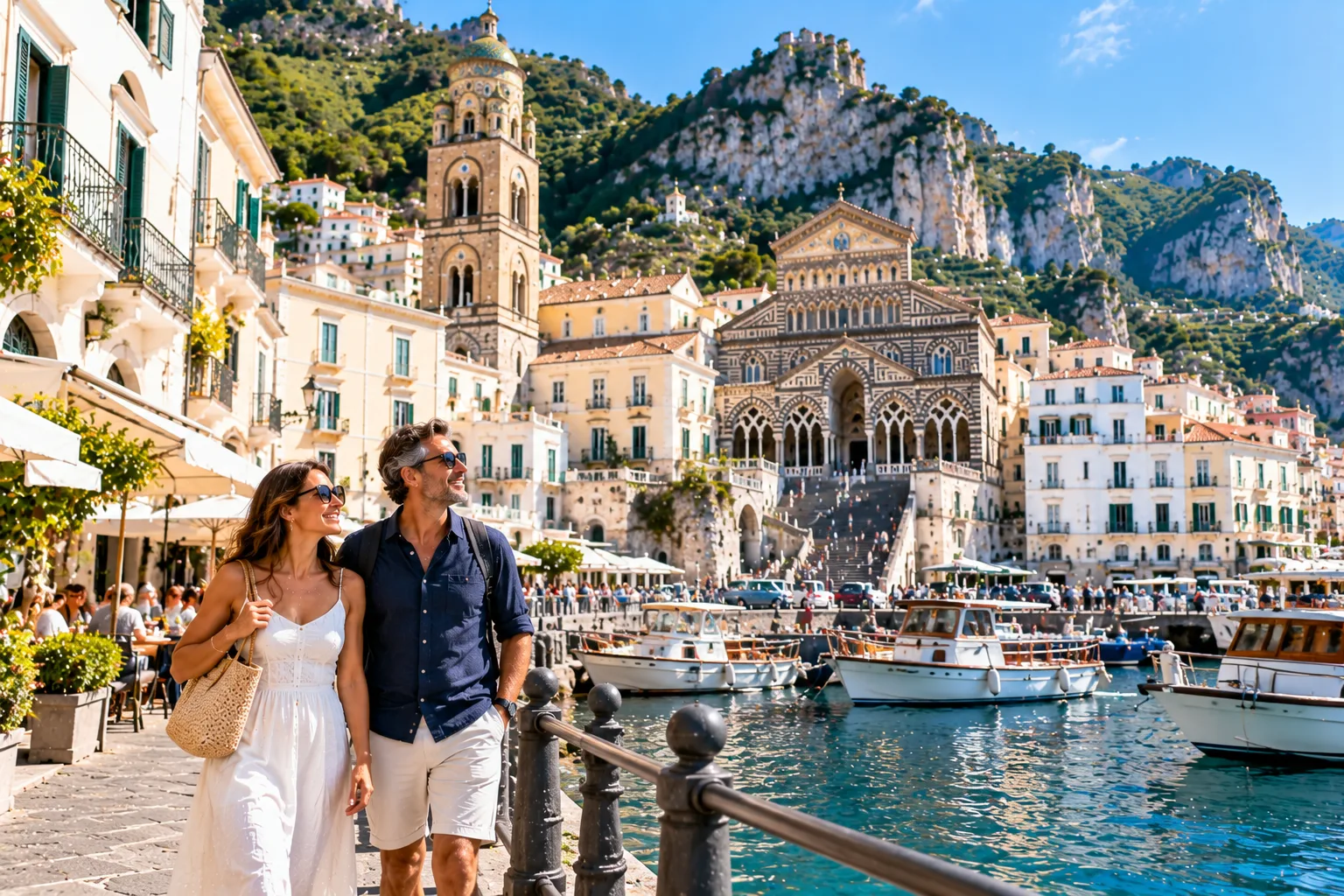
Arrival in Amalfi
Check in to your luxury hotel and enjoy an aperitivo.
AUTHORITY IN LUXURY
Seamless Transfers
Optimize the entire vacation, not just one segment.
40+ Years Experience
Match the route to your exact arrival time and schedule.
Direct Local Contacts
Consider your hotel's exact location, including stairs and access.
Flight Protection
Account for luggage logistics across trains, boats, and cars.
Top Industry Voice
Factor in travel companions' needs and energy levels.
Curated Combinations
Align with sightseeing plans, such as a stop at Pompeii.
24/7 Support
Manage travel fatigue with perfectly timed rest stops.
Vetted Villas
Coordinate seamlessly with your next destination.
Award-Winning
Plan for return transportation flawlessly.
Exclusive Yachts
Build realistic time buffers for all connections.
121+ Countries Visited
Avoid seasonal service disruptions with reliable backups.
VIP Acropolis Access
Ensure an effortless and luxurious transition to the Amalfi Coast.
Seasonal Considerations
How the time of year affects your transfer options.
July & August (Peak Summer)
High Season Logistics
Why Travelers Love It
- ✦Full ferry schedules available
- ✦All coastal services operating at maximum capacity
- ✦Warmest weather for the journey
Expert Consideration
Peak summer requires serious planning. Road congestion is significant. Build buffers into your schedule.
Which Rome-to-Amalfi Route Fits Your Travel Style?
Honeymooners & Couples
After several days in Rome, make the transition to the coast effortless. A private vehicle lets you enjoy the scenery and arrive directly at your hotel without stress.
You Enjoy:
- •Private Transfer or High-Speed Rail
- •Direct to Coast or Stop at Pompeii
- •Arrive in time for sunset aperitivo
Recommended For You:
Families with Children
Children may not enjoy multiple connections or long station waits. Keep the family together with one private vehicle from Rome straight to the coast.
You Enjoy:
- •Spacious Private Van
- •Direct Private Transfer
- •Pre-arranged lunch stop
Recommended For You:
Multi-Generational & Mobility
Avoid station stairs, luggage handling, and arrival fatigue. A coordinated private transfer keeps grandparents, parents, and children comfortable.
You Enjoy:
- •Accessible Private Transport
- •Paced according to energy levels
- •Comfortable rest breaks
Recommended For You:
Other Transportation Alternatives
Advantages by Route
- Ferry: Highly scenic arrival from the water, Avoids winding coastal roads
- Rental Car: Complete independence, Flexible schedule
- Train + Bus: Most budget-friendly option, Frequent local connections
Trade-Offs to Consider
- Ferry: Seasonal only, Subject to weather cancellations, Difficult with large luggage
- Rental Car: Narrow, winding coastal roads, Limited and expensive parking, Stressful for unfamiliar drivers
- Train + Bus: Crowded in summer, Multiple transit changes, Not recommended with luggage
The Hidden Cost of Cheap Transportation

Luxury You Can
Actually Feel
2 Included
2 optional upgrades
Value of Time & Comfort
Time & Comfort
Seamless transition, handling of luggage, and absolute convenience.
Peace of Mind
No missed connections or stressful transit changes.
The Complete Value Equation
Public Transport Stress
Crowded trains, luggage hauling, and multiple stops.
Hidden Delays
Missed ferries or full buses that disrupt the schedule.
The Luxury Traveler's Rome-to-Amalfi Checklist
Transportation & Logistics
- Exact Rome departure location & time
- Train departure & connection times
- Private-driver pickup time
- Ferry operating schedule (if applicable)
- Backup plan for delays
Traveler Details
- Exact Amalfi Coast hotel destination
- Number of travelers & child seats required
- Number and size of suitcases
- Pompeii stop planned?
Angela Hughes Authority & Credentials
CEO, Trips & Ships Luxury Travel

Angela Hughes
Angela Hughes has explored over 121 countries and spent more than four decades designing luxury travel experiences. She is widely recognized across the travel industry as a leading travel authority and active travel advocate.
"The best transportation choice is the one that fits the entire itinerary—not simply the one with the lowest price or shortest advertised travel time."
— Angela Hughes, On Greece PlanningKEY QUALIFICATIONS & ACHIEVEMENTS
- CEO, Trips & Ships Luxury Travel
- Founder, Luxury Travel University
- 40+ years of luxury travel expertise
- Personally visited 121+ countries
- 2024 Luxury Travel Influencer of the Year
- TravelPulse Most Influential Women in Travel (2026)
Frequently Asked Questions
No. Amalfi does not have its own railway station. You must take a train from Rome to a gateway like Salerno or Naples, and then continue by private car, bus, or seasonal ferry.
For luxury travelers prioritizing comfort and simplicity, a private transfer directly from your Rome hotel to your Amalfi hotel is the best option. It provides door-to-door service and handles luggage effortlessly.
A direct road journey takes approximately 3 to 4 hours under favorable conditions. However, traffic can significantly increase travel time, especially during peak summer months, weekends, and holidays.
If your primary goal is to reach Amalfi quickly and efficiently by train, Salerno is generally the best gateway. If you plan to visit Pompeii, Herculaneum, or Naples along the way, routing through Naples makes more sense.
Yes, absolutely. A popular itinerary is taking a high-speed train from Rome to Naples, followed by a private transfer that stops at Pompeii for a guided tour before continuing to your Amalfi Coast hotel.
Ferries offer a highly scenic arrival from the water, usually connecting via Salerno. However, they are seasonal, subject to weather cancellations, and can be cumbersome if you are traveling with heavy luggage.
The most seamless option is a private transfer directly from Fiumicino Airport to Amalfi. This avoids having to travel into central Rome with luggage to catch a train south.
A private transfer is strongly recommended. Train and ferry connections require carrying your luggage across platforms, onto boats, and through crowded stations, which can be highly inconvenient with large suitcases.
We generally don't recommend renting a car unless you are highly experienced with Italian driving. The coastal roads are narrow, winding, and congested, and parking is both limited and expensive.
For peak periods (July, August, Easter, and holidays), advance planning is essential. High-speed train tickets and private drivers book up quickly, and having your transportation architecture in place early reduces stress.
A morning departure is usually best to avoid later traffic and maximize your time on the coast. An afternoon departure means you might arrive quite late in the day, especially if you encounter delays.
No, ferry services on the Amalfi Coast are seasonal. They typically run from spring through early autumn. If traveling in winter or late autumn, you must rely on road transportation.
Ferry cancellations due to sea conditions are common. As a luxury travel rule, never build a tight itinerary around a ferry without a reliable backup plan, such as a pre-arranged private vehicle.
While it is the most budget-friendly method, taking the train to Salerno and then the SITA bus to Amalfi involves crowded conditions, multiple connections, and significant inconvenience—especially with luggage.
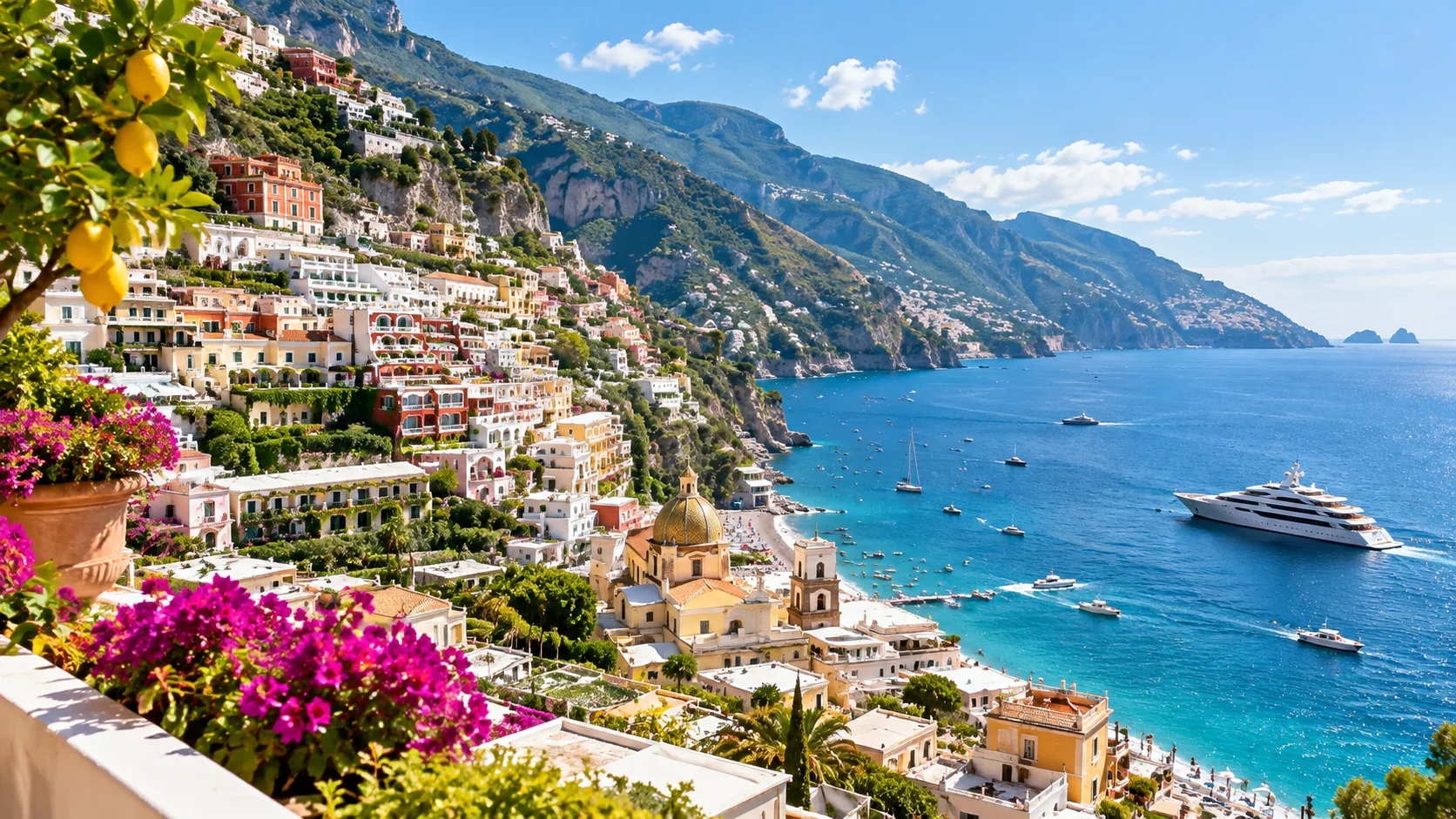
Many people say 'Amalfi Coast' when they mean Positano. The logistics change depending on your exact town. While Salerno is great for Amalfi, Naples is often a better rail gateway if your final destination is Positano.
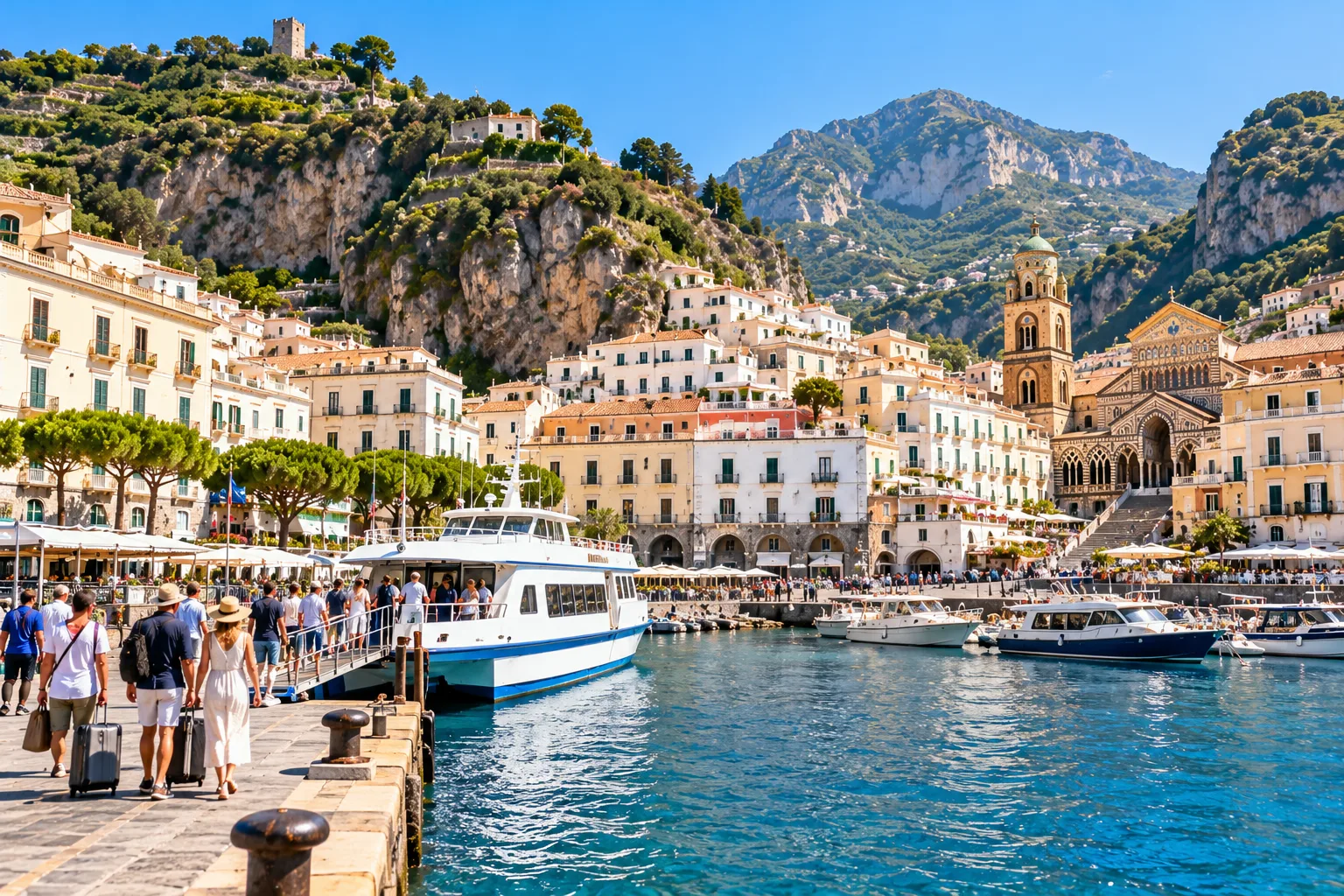
Ready to Plan Your Journey?
Contact us to design a seamless, end-to-end itinerary to the Amalfi Coast.
Start PlanningAmalfi Coast Guide Series
Continue Planning Your Amalfi Coast Trip
Expert guides from Angela Hughes and the Trips & Ships team covering towns, hotels, transfers, day trips, beaches and when to go.
Towns, Stays & Itineraries
- Amalfi Town Travel GuideWhere to stay, what to do and how to visit Amalfi town itself.
- How Many Days Do You Need in Amalfi?Ideal trip lengths from two nights to a full week, with sample plans.
- Best Luxury Hotels in AmalfiCliffside five-star resorts, restored monasteries and boutique hideaways.
- Combine Amalfi, Positano, Ravello & CapriHow to link all four in one trip without wasting days in transit.
- Combine Capri, Sorrento & the Amalfi CoastBases, transfers and itineraries for a three-destination trip.
- Is Amalfi Town Worth Visiting?An honest verdict on who will love Amalfi and who may prefer elsewhere.
- Should You Stay in Amalfi or Visit for the Day?Overnight versus day visit, compared by cost, crowds and experience.
- Where to Stay in AmalfiBest areas and hotel styles for every kind of trip.
- Perfect One-Day Amalfi ItineraryHour-by-hour plan covering Amalfi, Positano and Ravello.
Town Comparisons
- Amalfi vs PositanoAtmosphere, hotels, beaches and logistics compared town by town.
- Amalfi vs RavelloSeaside convenience versus clifftop gardens and quiet evenings.
- Amalfi vs SorrentoWhich base suits couples, families and first-time visitors.
- Visiting Amalfi From a Cruise ShipPorts, tender times, shore options and how much you can see in a day.
Getting There & Around
- Ferry, Bus or Private Driver to Amalfi?Cost, comfort, luggage and traffic for every way to arrive.
- How to Get to Amalfi From NaplesAirport and station transfers, ferries and private drivers.
- How to Get to Amalfi From Rome (you are here)
- How to Get to Amalfi From SorrentoFerry, SITA bus and private driver along the coast road.
- How to Get From Positano to AmalfiThe quickest and most comfortable ways between the two towns.
- How to Get From Amalfi to RavelloBus, taxi and private transfer options up the hill, with timings.
Day Trips, Beaches & Seasons
- Best Day Trips From AmalfiCapri, Ravello, Positano, Pompeii and lesser-known gems.
- Day Trip From Amalfi to CapriFerry versus private boat, timings and a smart one-day plan.
- Best Beaches in AmalfiTen beaches and coves, beach clubs and when to go.
- Hiking Valle delle Ferriere From AmalfiTrail routes, waterfalls, reserve rules and guided options.
- How to Avoid Crowds in AmalfiQuieter months, towns, hours and private alternatives.
- Best Things to Do in AmalfiSights, experiences and hidden corners worth your time.
- Best Boat Tours From AmalfiPrivate charters, group cruises and Capri crossings compared.
- Private Boat From the Amalfi Coast to CapriCosts, timings and whether a private charter is worth it.
- Is Amalfi Cathedral Worth Visiting?What to see, how long to allow and how to skip the queues.
- The Paper Museum in AmalfiWhat it is, what you will see and whether it is worth visiting.
- What Food Should You Try in Amalfi?Lemon specialties, colatura, fresh pasta and regional dishes.
- Where to Eat in AmalfiSignature restaurants, local specialties and luxury dining.
- Best Time to Visit AmalfiMonth-by-month weather, crowds and prices.
- What to Wear and Pack for AmalfiA luxury packing guide by season, with shoes for the stairs.
- Is Amalfi Town Walkable?Flat promenades, steep stairways and what to expect on foot.
- Is Amalfi Good for Families With Children?Stairs, beaches, hotels and activities for travelers with kids.
- Is Amalfi Suitable for Seniors?Mobility realities, step-free options and easier ways to get around.
Explore Cruise Brands & Destinations
Stay informed with our comprehensive guides, reviews, and comparisons of the world's finest cruise lines and luxury travel destinations.